
Last updated November 25, 2026
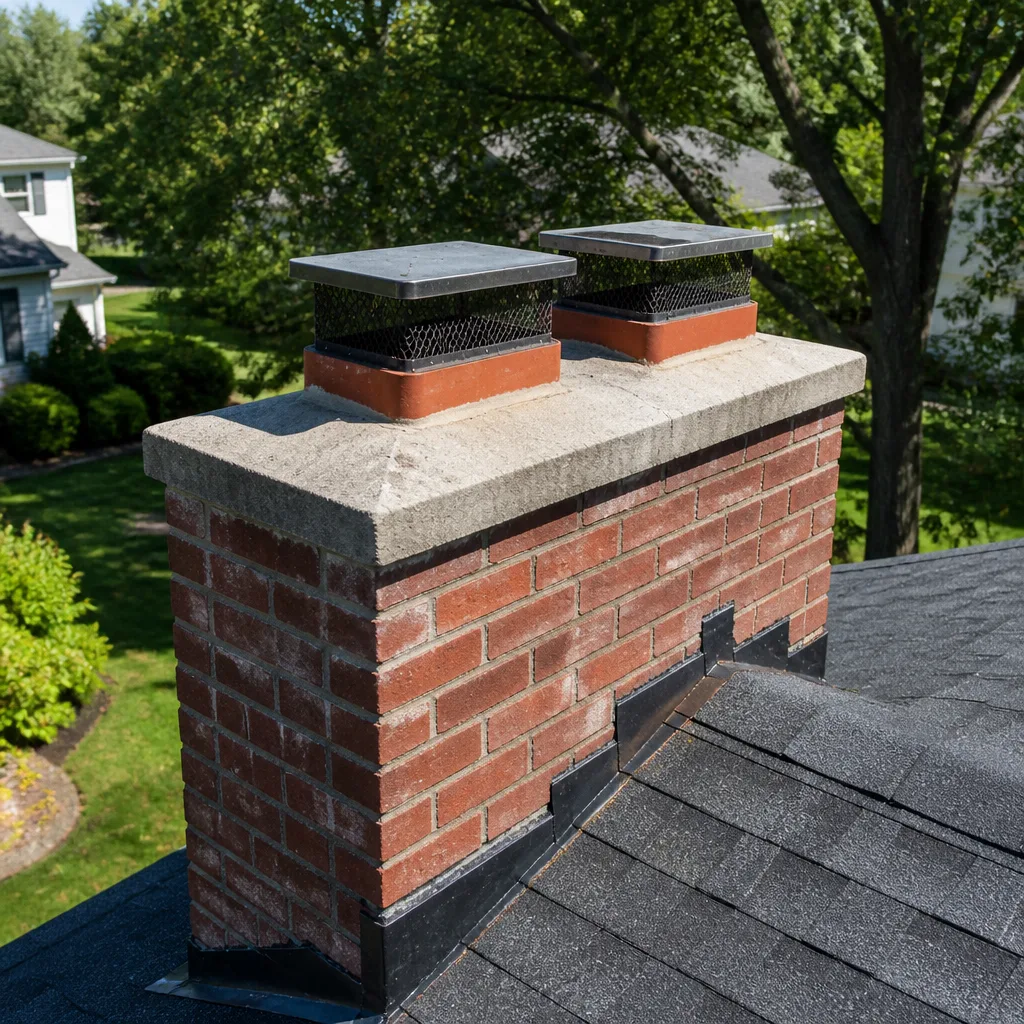 Sweep & inspection
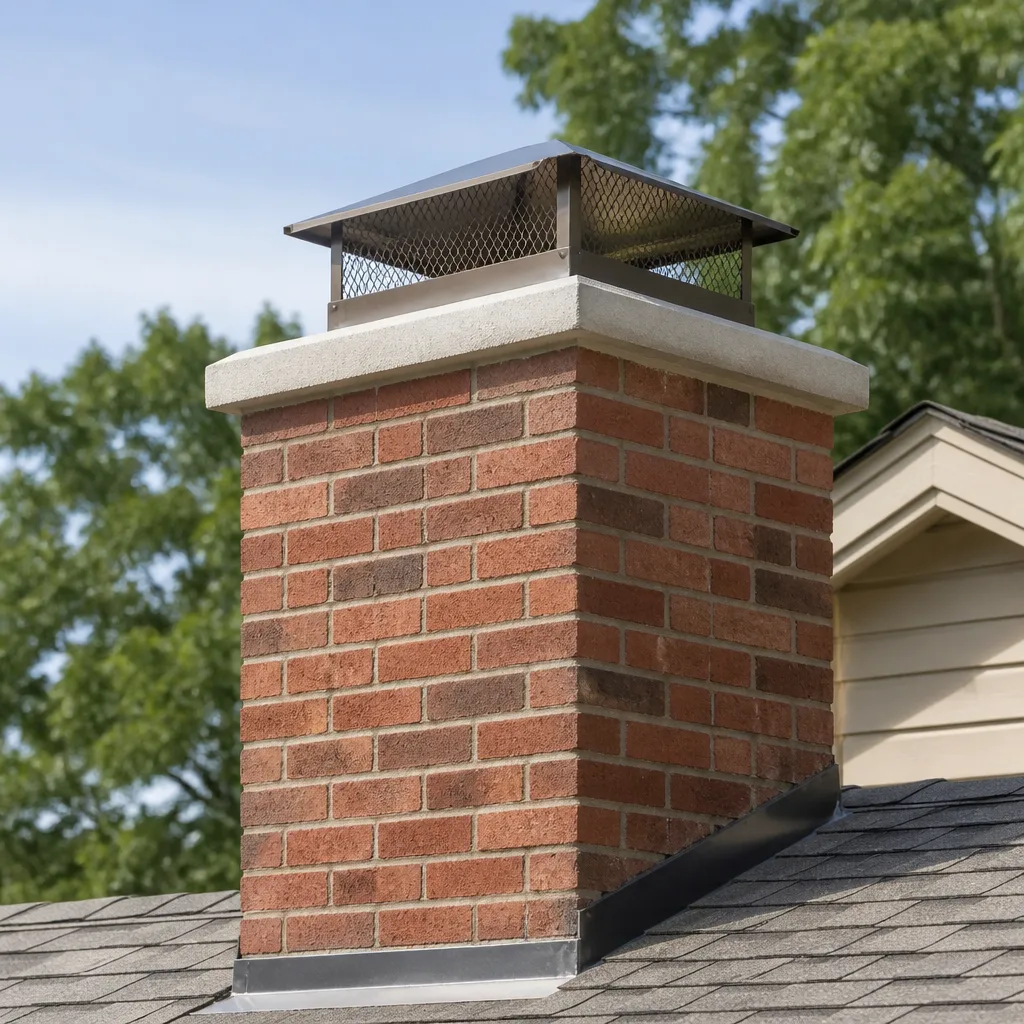 Caps & crowns
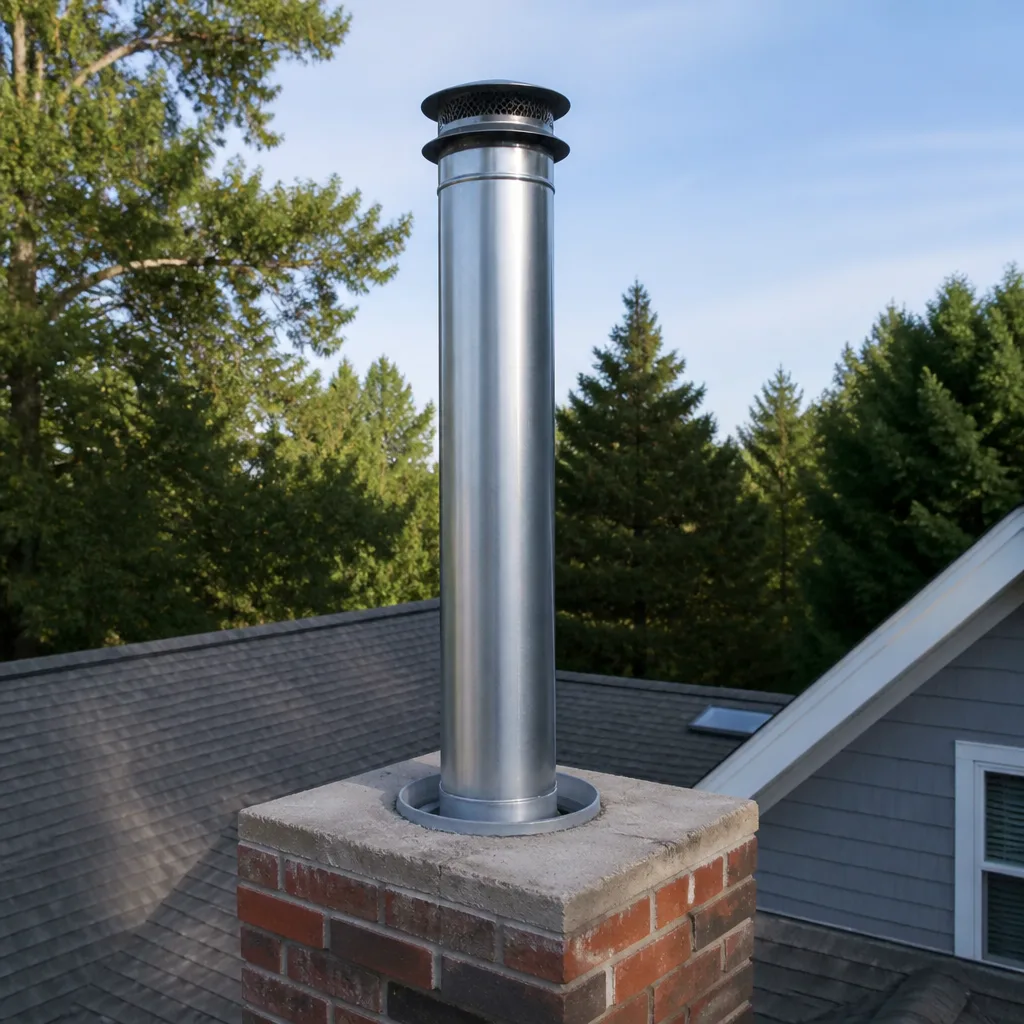 Flue relining
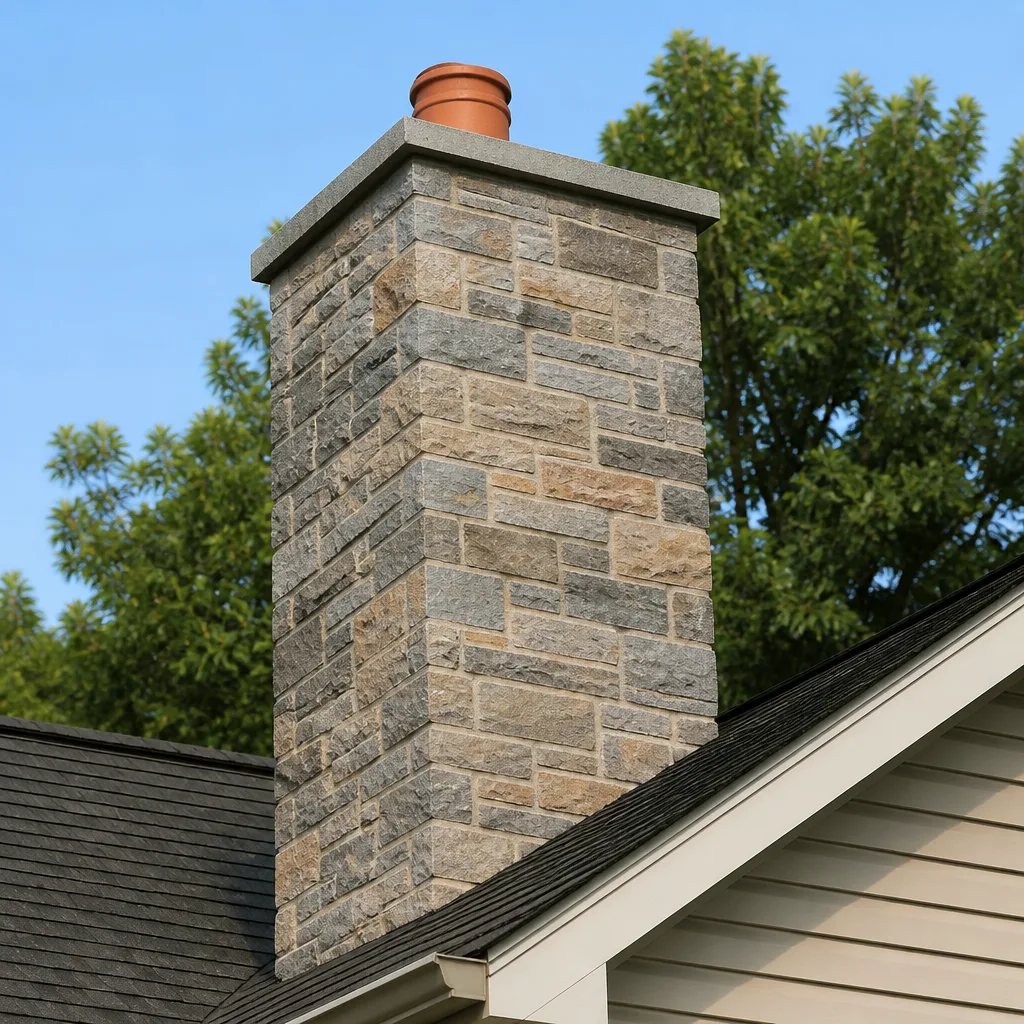 Masonry repair
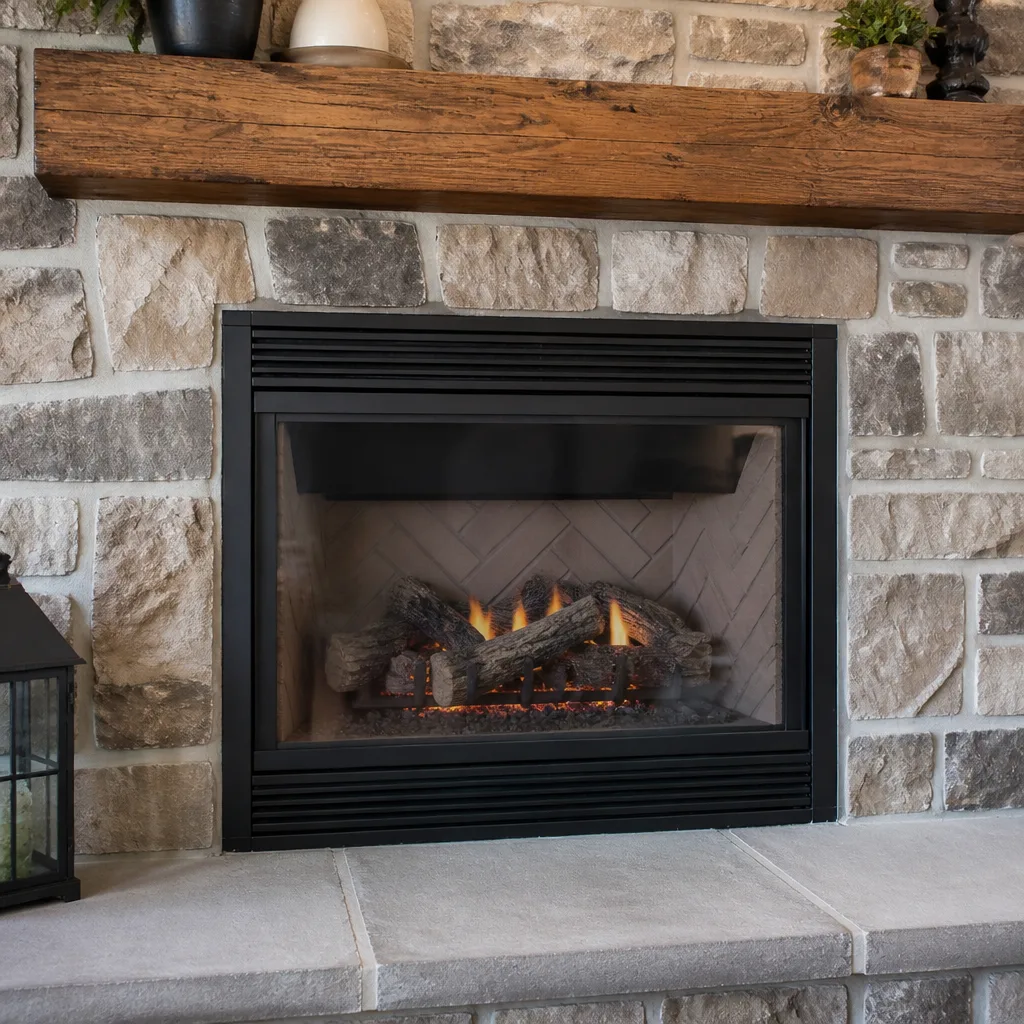 Gas fireplace service
Level 1 sweep and inspection to the NFPA 211 annual standard - flue, crown, cap, and flashing checked and photographed
Chimney sweep logs do not sweep chimneys. They loosen some creosote - which then falls where a brush and vacuum still have to collect it.
Chimney Cleaning Permits, Codes & Inspections in Tremont, NY: What You Need to Know
Here’s the part most homeowners get backwards: the cleaning itself is the easy part, legally speaking. A routine chimney sweep in New York doesn’t require a permit. What does require a permit is the work that so often follows an inspection – a liner replacement, a rebuilt crown, structural masonry repair, a change to how a gas appliance vents. And the moment homeowners in Tremont find out their chimney work needed a permit is usually the moment they need proof it existed: during a home sale inspection, or standing in the aftermath of a fire loss claim. In this guide, we’ll walk through what does and doesn’t need a permit in Tremont, how the NFPA 211 standard interacts with the NYC Building Code, how to check whether a contractor actually pulled a permit, why unpermitted chimney work can put an insurance claim at risk, and when a Level 2 inspection is triggered.
Quick Answer
In Tremont, NY, chimney cleaning and standard inspections don’t require a building permit, but liner replacement, structural masonry repair, and gas appliance venting changes generally do – and the local professional you hire should pull it before work starts. The governing standard for all of it is NFPA 211, working alongside the NYC Building Code, so the permit question is really a code-compliance question. If you’re about to buy or sell a home in Tremont with an older chimney, or you’ve changed fuel types, an inspection that documents the flue’s actual condition protects you more than any receipt from a sweep ever could.
Styles & brands we work with
- Sweep & inspection
- Caps & crowns
- Flue relining
- Masonry repair
- Gas fireplace service
Table of Contents
- Which Chimney Services Need a Permit in Tremont (and Which Don’t)
- NFPA 211 and the NYC Building Code: How They Work Together
- How to Verify a Chimney Contractor Pulled a Permit
- Why Unpermitted Chimney Work Can Jeopardize Your Insurance
- Level 2 Inspections: When NFPA 211 Requires One
- Buying or Selling in Tremont: What a Chimney Inspection Reveals
- What Documentation You Should Keep After Chimney Work
- Common Mistakes to Avoid
Which Chimney Services Need a Permit in Tremont (and Which Don’t)
The clearest way to think about permits for chimney work is this: if the job changes the structure, the venting path, or the fire separation of the chimney system, it usually needs a permit. If the job cleans, inspects, or replaces a component without altering any of those, it typically doesn’t. Here’s how that breaks down for Tremont homeowners.
Usually Permit-Exempt
- Routine chimney sweeping. Removing creosote, soot, and blockages from an existing flue is cleaning, not construction. A quality chimney sweep doesn’t require a permit for the sweep itself.
- Standard Level 1 inspections. A visual inspection of an accessible flue for a yearly checkup is documentation, not work that changes the system.
- Chimney cap replacement. Swapping a damaged cap for a properly sized one – including the chimney cap & crown work that protects the top of the flue – is generally a component replacement. Where the crown itself needs partial rebuilding, ask the contractor whether the local building department wants a filing for that scope.
Usually Requires a Permit
- Chimney liner replacement. Installing a new liner – whether a flexible system like DuraFlex or another listed liner – changes the flue’s interior structure and venting. In most cases, that requires a permit and an inspection.
- Structural masonry repair. Rebuilding a chimney chase, repointing a serious section, or reconstructing a crown is construction work covered by the NYC Building Code. Permits apply.
- Gas appliance venting changes. If a gas furnace, water heater, or new gas insert is being re-vented into an existing chimney or a new flue, the venting configuration changes. Permits are generally required.
- Fireplace insert installation or flue creation. Cutting a new flue or changing the combustion appliance connected to a chimney almost always requires a filing.
A chimney chimney repair job that crosses from cleaning into structure is where permits suddenly matter. The safest rule for a Tremont homeowner: before any chimney repair begins, ask the contractor in plain language, “Does this scope require a permit, and who is pulling it?” If the answer is vague, slow down before you sign.
NFPA 211 and the NYC Building Code: How They Work Together
NFPA 211 is the national standard for chimneys, fireplaces, vents, and solid fuel-burning appliances. The NYC Building Code is the local law that governs construction and alteration. Each matters to a Tremont chimney, and each covers different ground – which is exactly why a licensed local professional has to know both.
Roughly, NFPA 211 tells you what a chimney system must do – how it must be constructed, how it must be inspected, what condition it must be in to safely vent a given appliance. The NYC Building Code tells you what the process for altering it looks like: who files, who inspects, and what documentation has to exist when the job is finished. If you’re remodeling a Tremont rowhouse or replacing a furnace, both sets of rules apply at the same time.
In practice, this means:
- An inspection is an NFPA 211 event. The standard describes three inspection levels and when each is required. A chimney professional works from those levels, not from a checklist made up on the fly.
- A repair that alters the chimney is an NYC Building Code event. Alteration brings permitting and inspection. The contractor files, the work is inspected, and the sign-off becomes part of your record.
- Compliance is the overlap. A job that satisfies NFPA 211 but skips the permit process isn’t fully compliant. A job that pulls permits but uses unlisted components isn’t either.
This is where material choice becomes an E-E-A-T matter, in our view. The problems we see in chimneys often trace back to a component that wasn’t listed for the application – a liner that wasn’t rated for the fuel, a cap that didn’t fit the flue opening, a crown that was patched with mortar not intended for the job. We work with the brands the chimney industry trusts – DuraFlex, Olympia Chimney, Copperfield, Famco – because listed components and code compliance tend to travel together. Our technicians have up to 14 years of experience, and it’s the specific flue, not the sweeping motion, that dictates how a compliant job gets built.
How to Verify a Chimney Contractor Pulled a Permit
This is the step most Tremont homeowners skip, and it’s the one that protects them later. NYC requires that work permits be filed through the Department of Buildings (DOB). The DOB maintains a public permit lookup, meaning anyone can search a property’s permit history online. You can run your address through it before work begins to see what’s on file, and again after the job to confirm the permit was issued and closed correctly.
A Simple Verification Sequence
- Ask for the permit number before work starts. Any legitimate contractor filing a permit for chimney work in Tremont can give you the DOB job or permit number tied to your address. If the contractor says it’s “handled internally” and won’t produce a number, that’s your signal to slow down.
- Look it up yourself in the DOB system. Search by your property address. Confirm the permit exists, that the scope matches what you’re paying for (liner vs. masonry vs. venting), and that the listed contractor matches the one you hired.
- Request the final inspection sign-off at the end of the job. A permit that’s open isn’t done. Ask for the inspection approval or completion documentation once the work is finished. Keep a copy.
- Store the job number with your home records. Put the permit number, inspection sign-off, and manufacturer’s spec sheets together in one folder – physical or digital. This is the folder you produce at a home sale or an insurance claim.
One more thing worth requesting while you’re at it: the label or spec sheet for the component that went in. If a DuraFlex liner is what’s on your invoice, the spec sheet should confirm it. Between the DOB permit record and the material documentation, you have the two things an inspector or an insurer will actually ask for.
Why Unpermitted Chimney Work Can Jeopardize Your Insurance
Homeowners insurance carriers cover losses caused by fire, and they typically do not cover losses caused by an excluded hazard or by a code violation the policyholder should have corrected. Unpermitted chimney work sits in the murky middle, and that’s the problem. When a carrier investigates a chimney-related fire loss, the first thing they look for is the work history on that chimney. If a liner was replaced without a permit or an inspection, and the liner fails, the insurer has a legitimate reason to ask whether the installation was code-compliant – and may decline coverage or pay only a portion.
We’ve seen this pattern most often in Tremont rowhouses that have changed hands more than once. A prior owner installed a new gas insert or relined a flue, the permits never existed, and the new owner inherits the exposure without knowing it. The fireplace burns fine on a normal evening – until the day it doesn’t, and the documentation trail is silent.
What Actually Protects You
- A permit and inspection sign-off on any structural or venting work. This is the single piece of paper an insurer respects most, because it proves an independent party signed off on the installation.
- Manufacturer documentation for the liner or component. Insurers want to confirm the component was listed and rated for its use. A brand-traceable liner with a spec sheet travels better than an unlabeled one.
- An inspection report from a chimney professional. A written inspection capture – especially one that documents existing conditions before your ownership or before a repair – tells the insurer where the fault lies if a claim arises.
- No gaps in the record. If cleaning happened and a repair was recommended, keep the report. If you declined a repair, keep the report with a note. A documented decline is different from an undocumented chimney.
If you’ve just bought a Tremont property with an unknown chimney history, an inspection isn’t just a nice-to-have. It’s the cheapest insurance evidence you’ll ever buy.
Level 2 Inspections: When NFPA 211 Requires One
NFPA 211 defines three inspection levels, and the differences matter. A Level 1 is the routine, annual visual inspection of an accessible flue. A Level 3 is invasive – opening walls to access concealed portions of the chimney. The Level 2 is the one most often skipped and the one that costs homeowners the most when it’s missing.
NFPA 211 calls for a Level 2 inspection when the conditions of the chimney’s use are changing. That includes:
- Sale or transfer of the property. A new owner inherits the chimney’s condition. A Level 2 inspection documents what they’re inheriting.
- Change of fuel type. Switching from wood to gas, or adding a gas insert, changes the venting demands on the flue.
- After a chimney fire. Even a small fire can damage the flue interior in ways a Level 1 won’t catch. A Level 2 with video is the standard.
- After a significant event. Wind damage, an earthquake felt locally, or a structural change to the building – any of which could have altered the chimney.
- When a Level 1 reveals a problem. If the visual inspection turns up something concerning, the level steps up.
A Level 2 inspection involves a video scan of the flue, access to areas a Level 1 won’t reach (like attic and crawl space where accessible), and a written report. In our experience, that video is the single most useful diagnostic a homeowner can get on an older chimney. A dropped camera into a flue tells the story of the flue’s condition in a way no verbal description can.
For a typical Tremont home with an older masonry chimney, we recommend treating a real-estate Level 2 as baseline due diligence and the annual Level 1 as the yearly maintenance check. Those two together are a more honest picture than any cleaning receipt. For a full walk-through of the inspection levels and what each includes, see our overview of Chimney Sweep Tremont.
Buying or Selling in Tremont: What a Chimney Inspection Reveals
Tremont is a neighborhood of older housing stock – a mix of rowhouses, semi-detached homes, and smaller multi-family buildings, many of them built long enough ago that the chimney has outlived several heating systems. That’s the context that makes chimneys a frequent sticking point in the transaction. When a buyer’s inspector flags the chimney, the conversation moves fast, and the seller is suddenly trying to prove a chimney they may have never used is safe.
What a Level 2 inspection typically surfaces on a Tremont property:
- Liner condition. Is the flue clay-lined, and if so, are the tiles cracked or missing? Is there a metal liner installed, and when? Is it rated for the appliance currently venting into it?
- The masonry crown and cap. Is the crown cracked, is the cap missing or the wrong size, and is there moisture intrusion into the flue?
- The firebox and damper. Are they intact, and does the damper actually close? A missing damper means heat loss and a draft problem every winter.
- Blocked or unlined flues. It’s not unusual for an older Tremont chimney to have a flue serving a water heater and a flue that was abandoned years ago. A Level 2 distinguishes the two and identifies which flues are usable.
- Combustion air and the immediate venting path. For gas appliances, whether the venting meets current requirements.
Sellers benefit from having this done proactively, before a buyer’s inspector finds it. Buyers benefit from knowing exactly what they’re inheriting. Either way, the report becomes part of the record. Our guide to scheduling a chimney sweep in Tremont covers how to get that first inspection on the calendar.
What Documentation You Should Keep After Chimney Work
Chimney documentation is boring until the day it isn’t. The one time you need it – a home sale, an insurance claim, a warranty dispute on a liner – you need it complete and you need it dated. Here’s what a Tremont homeowner should assemble and keep.
- The DOB permit number and final inspection sign-off for any structural or venting work. This is the top of the stack.
- The written inspection report at whatever level was performed, including any photos or video the report references.
- The manufacturer’s spec sheet or warranty card for the liner, cap, or other components installed – brand-name documentation for the specific component. Keep the model and the listed-use rating.
- The written estimate and final invoice, showing scope of work. This tells a future buyer or insurer exactly what was done.
- Any recommendation you declined. A documented decline is proof you were informed, which sometimes matters in an insurance or sale conversation.
- A simple maintenance log. Date, work performed, who did it. One line per visit. It’s the easiest record to keep and the easiest one to forget.
We tell our customers in Tremont to keep their chimney folder with the boiler service records and the water heater paperwork. When you sell, it’s one folder that answers most of the buyer’s questions about the mechanical systems. Documentation is not the exciting part of chimney care, but it’s the part that pays off.
Common Mistakes to Avoid
- Assuming “the sweep cleaned it, so it’s done.” Cleaning removes creosote, but it doesn’t tell you whether the flue has structural problems or whether a prior liner was installed without a permit. Pair the sweep with an inspection.
- Skipping the permit on a liner replacement because the contractor says “it’s small.” A liner changes the venting path of the chimney. If the local building department wants a filing, no amount of “small job” reasoning changes that, and no future buyer will see it that way either.
- Hiring a general handyman for a chimney repair. Remodeling contractors who “also do chimneys” may not know the NFPA 211 requirements or the NYC Building Code’s venting rules. Use a chimney-specific professional – one whose work can be documented to both standards.
- Not checking the DOB permit lookup. If your contractor won’t show you the permit number, that’s not a bureaucratic delay. It’s information about how they handle compliance.
- Waiting until the home inspection to look at the chimney. A buyer’s inspector will find the chimney problem you didn’t document. A Level 2 before you list avoids the scramble.
- Treating a gas fireplace as a “cleaning-only” chimney. Gas venting changes require permits and inspections too. A gas flue that was never inspected is a question mark, not a convenience.
- Losing the documentation. A permit that was pulled but whose sign-off you can’t find is functionally a permit that wasn’t pulled, in the eyes of an insurer. Keep the folder.
See the difference
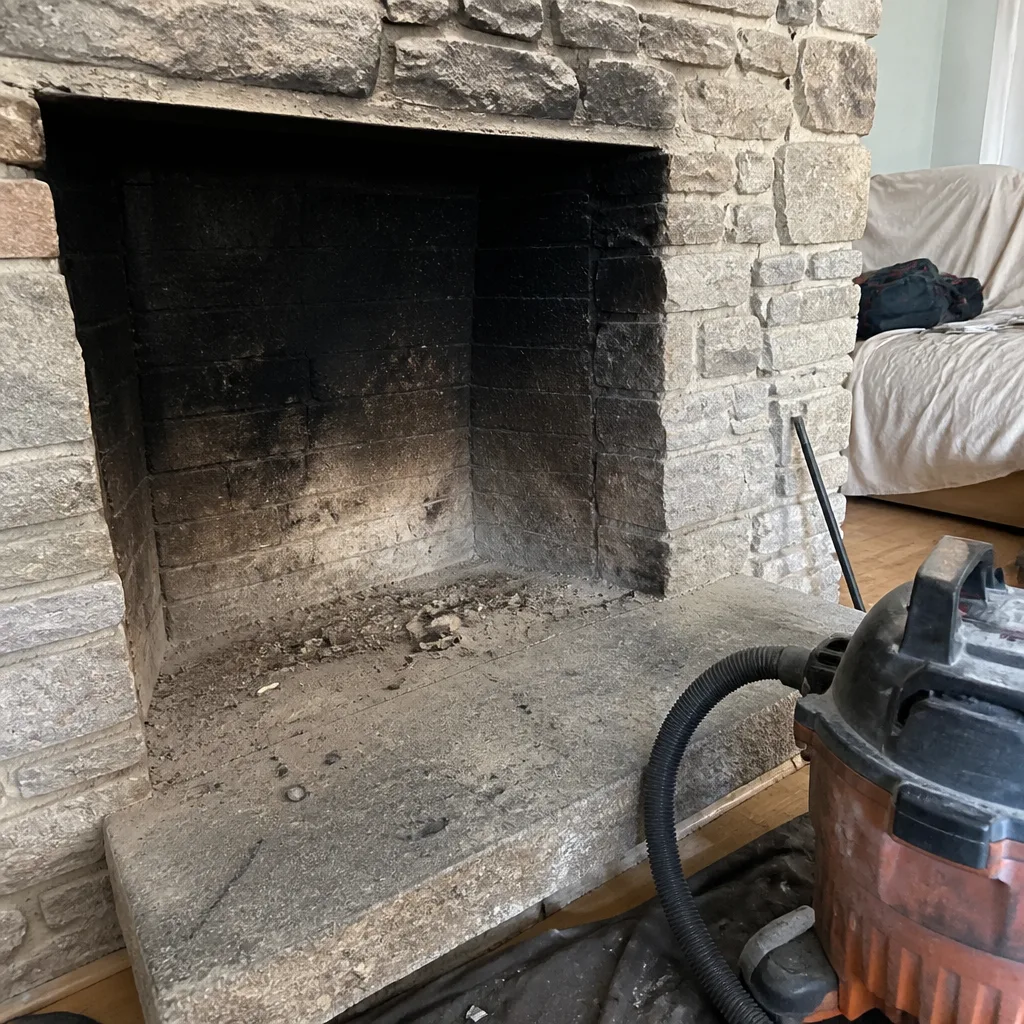 Before
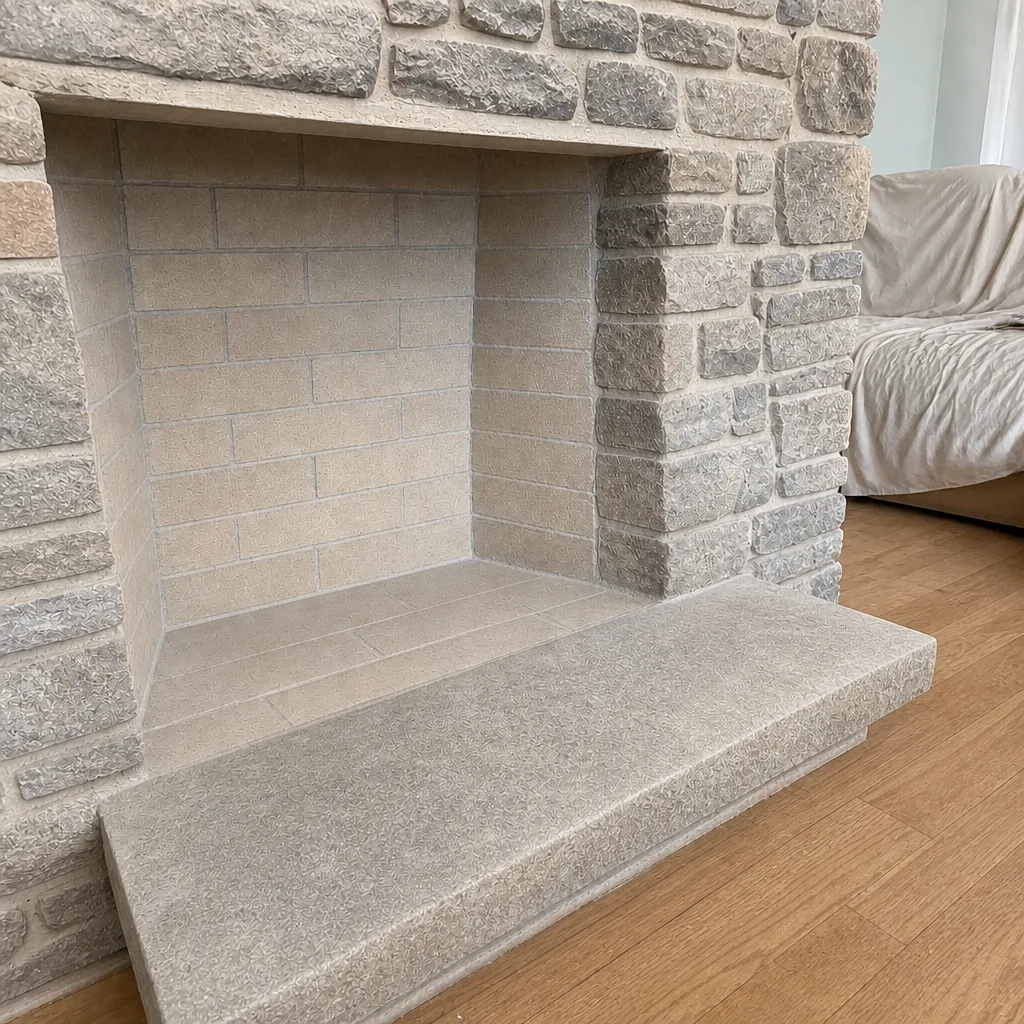 After
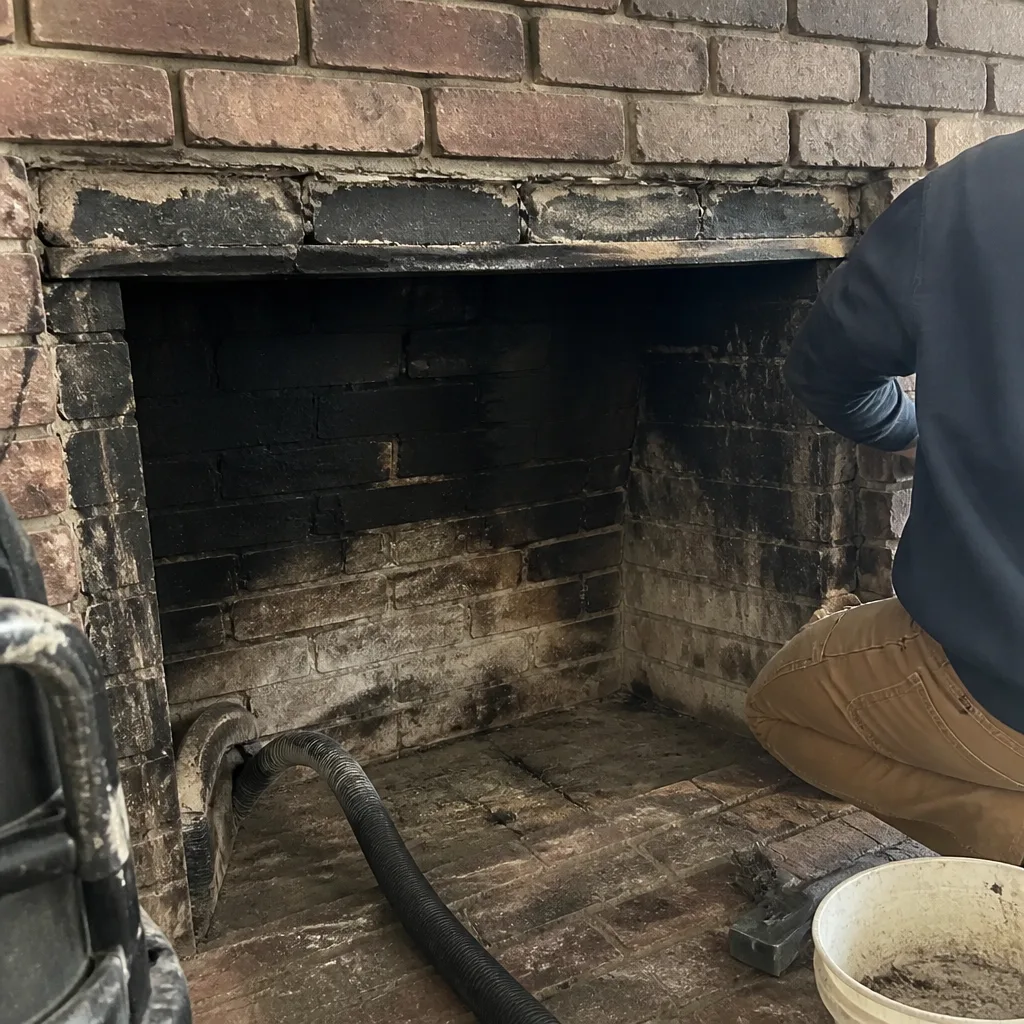 Before
 After
 Before
 After
When to Call a Professional
Call a chimney professional when any of these apply: you’re buying or selling a Tremont home with a chimney that hasn’t been inspected, you’ve changed fuel type or added a gas insert, you’ve had a chimney fire or a chimney-adjacent event, or your last sweep was completed more than a year ago and you haven’t had the flue inspected since. Call before you sign off on a contractor’s work if you’re not sure permits and inspections are in order. Call before any structural or venting repair begins, so the scope and permit requirement are clear before money changes hands. If you don’t know whether your chimney requires a permit for the work you’ve been quoted, that question is worth a phone call. Chimney Sweep Tremont offers free estimates in Tremont – call (844) 979-4331. We answer 24/7, and fast dispatch from 7am to 7pm, Sunday through Friday.
Frequently Asked Questions
No. Routine chimney cleaning and a standard Level 1 inspection do not require a permit in New York. A permit is only relevant when the work changes the structure or venting of the chimney – a liner replacement, structural masonry repair, or a gas venting change. Cleaning keeps your chimney safe; the permit question is about what gets built afterward.
In most cases, yes. A liner replacement changes the flue’s interior structure and venting, which brings it under the NYC Building Code and the permit process. If your contractor is proposing a new DuraFlex or other listed liner, they should be able to tell you the permit number, and you should be able to look it up in the DOB system. Call (844) 979-4331 for a free estimate.
Ask the contractor for the DOB permit number tied to your address, then search for it yourself in the NYC Department of Buildings public permit lookup. Confirm the scope matches your job and the listed contractor matches the one you hired. At the end, request the final inspection sign-off and keep it with your home records. If the contractor won’t produce the number, that tells you something about their process.
It can. If a carrier investigates a fire loss and finds that the chimney’s repair work lacked a permit or inspection, they have a legitimate reason to question code compliance and may limit or deny coverage. The fix is documentation: the DOB permit and inspection sign-off, the manufacturer’s spec sheet for the component installed, and the inspection report from before the work. Call (844) 979-4331 to get your chimney documented.
NFPA 211 calls for a Level 2 inspection when the property is sold or transferred, when the fuel type changes, after a chimney fire, after a significant event that could affect the chimney, and when a Level 1 inspection turns up a problem. A Level 2 includes a video scan of the flue and a written report. It’s the inspection most often skipped and the one that saves the most expensive surprises.
No, they’re different services. A sweep removes creosote from an existing flue; an inspection evaluates the flue’s condition. A chimney can be clean and still have a cracked liner or a failing crown. The two together give you a full picture – and a clean flue means the inspection sees the surface of the flue, not the soot. Call (844) 979-4331 for a free estimate.
The Bottom Line
In Tremont, chimney cleaning doesn’t need a permit, but the repair that follows often does – and that permit is the document that protects your insurance claim and your home sale. NFPA 211 governs what the chimney must do; the NYC Building Code governs how any alteration gets filed and inspected. A Level 2 inspection is required at sale, after a fuel change, and after a chimney fire, and it’s your best protection as a buyer or seller in this neighborhood. Keep the DOB permit number, the inspection sign-off, and the brand documentation for the component installed. If your chimney folder is empty, start it before a life event starts it for you.
For chimney recording, inspection, or repair in Tremont, call (844) 979-4331. The estimate is free and the price is set per job by the written estimate. We answer 24/7. Fast dispatch from 7am to 7pm, Sunday through Friday.
Written by the team at Chimney Sweep Tremont.