
Last updated November 25, 2026
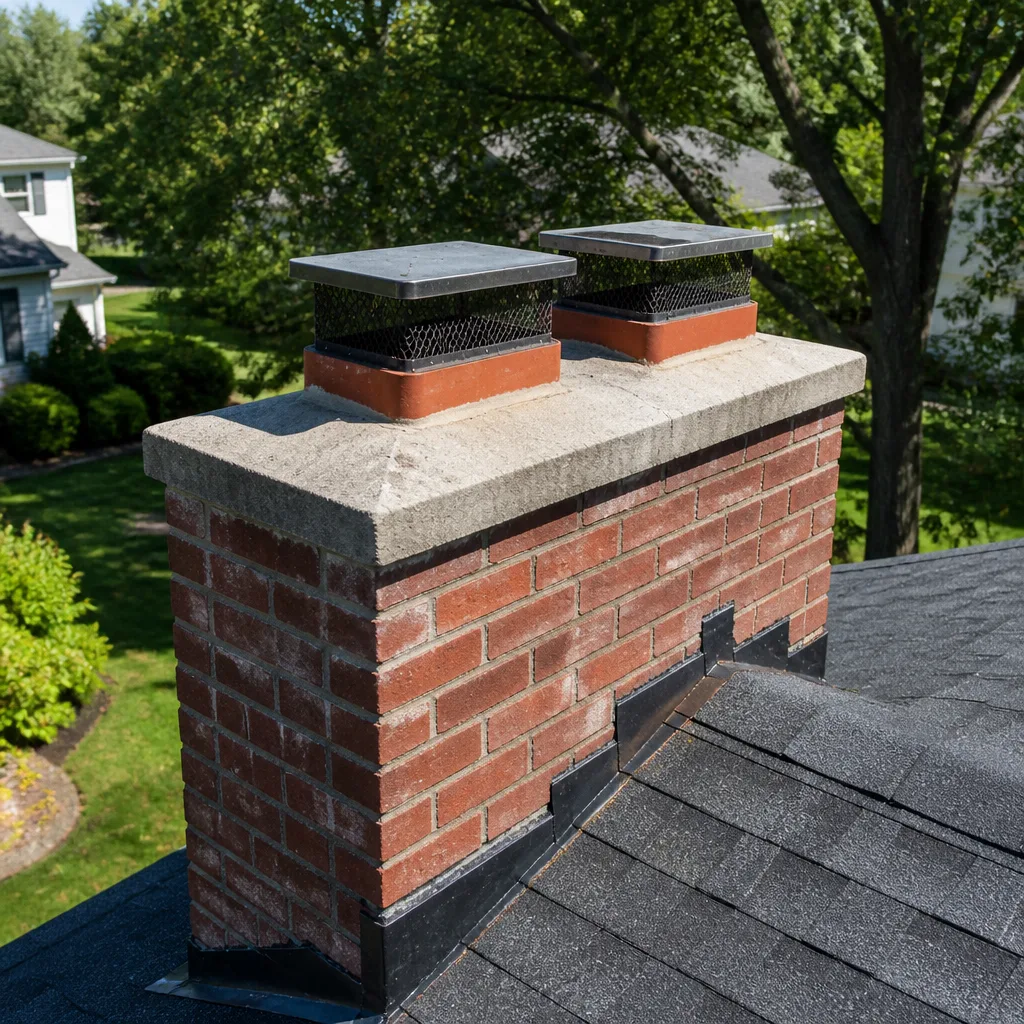 Sweep & inspection
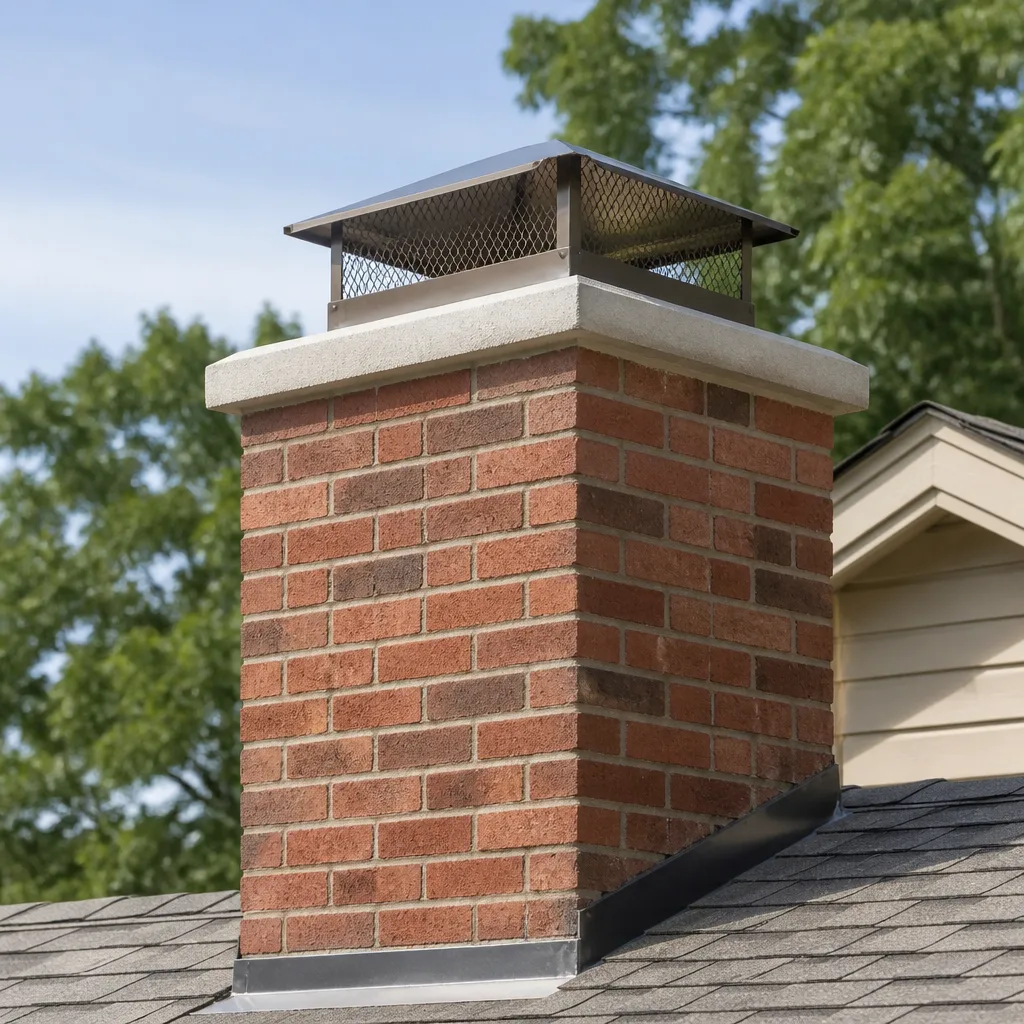 Caps & crowns
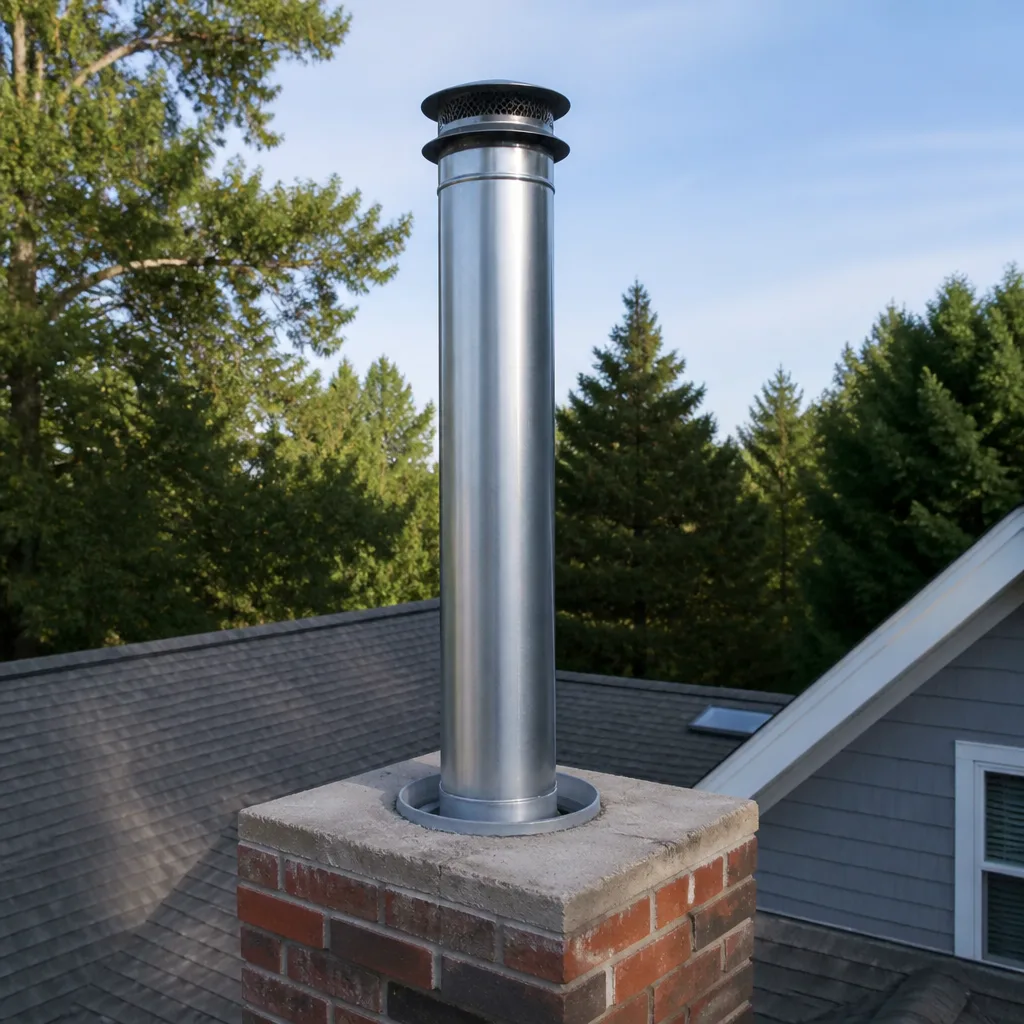 Flue relining
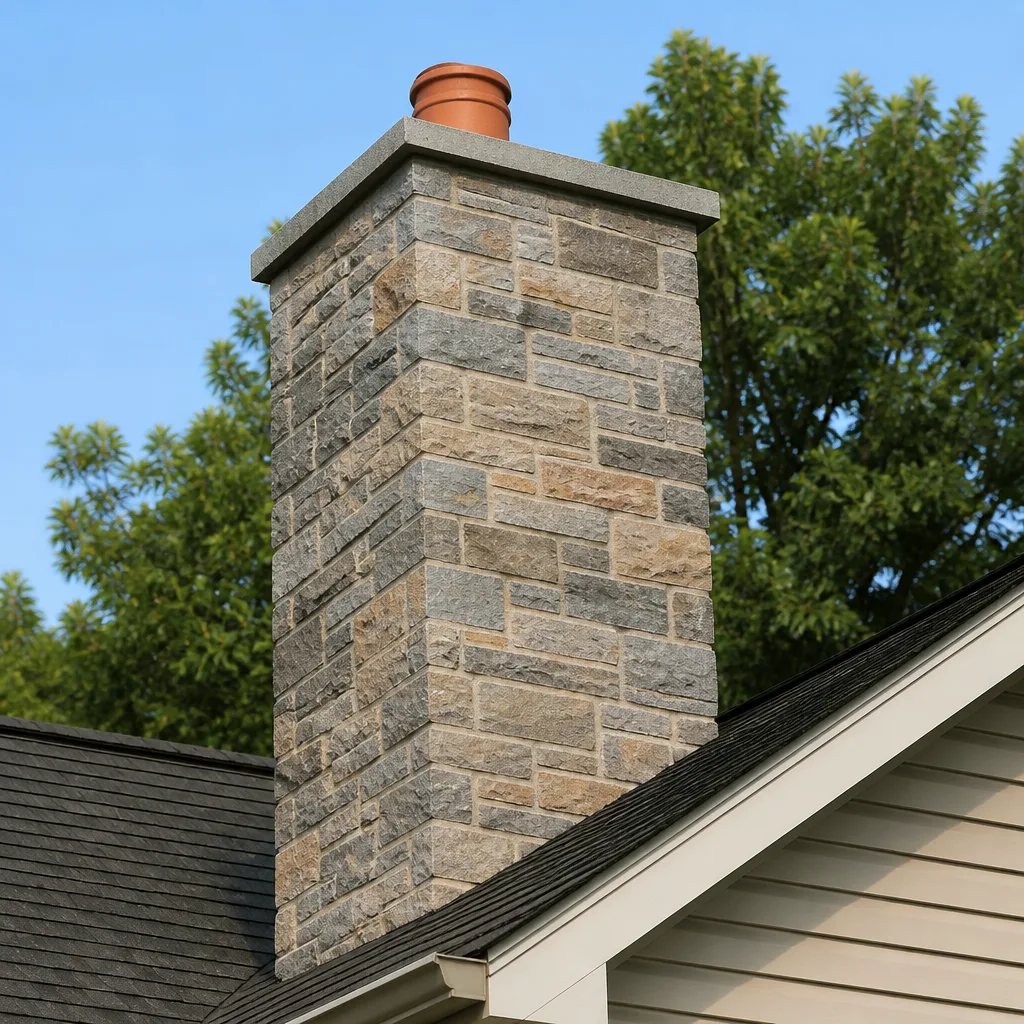 Masonry repair
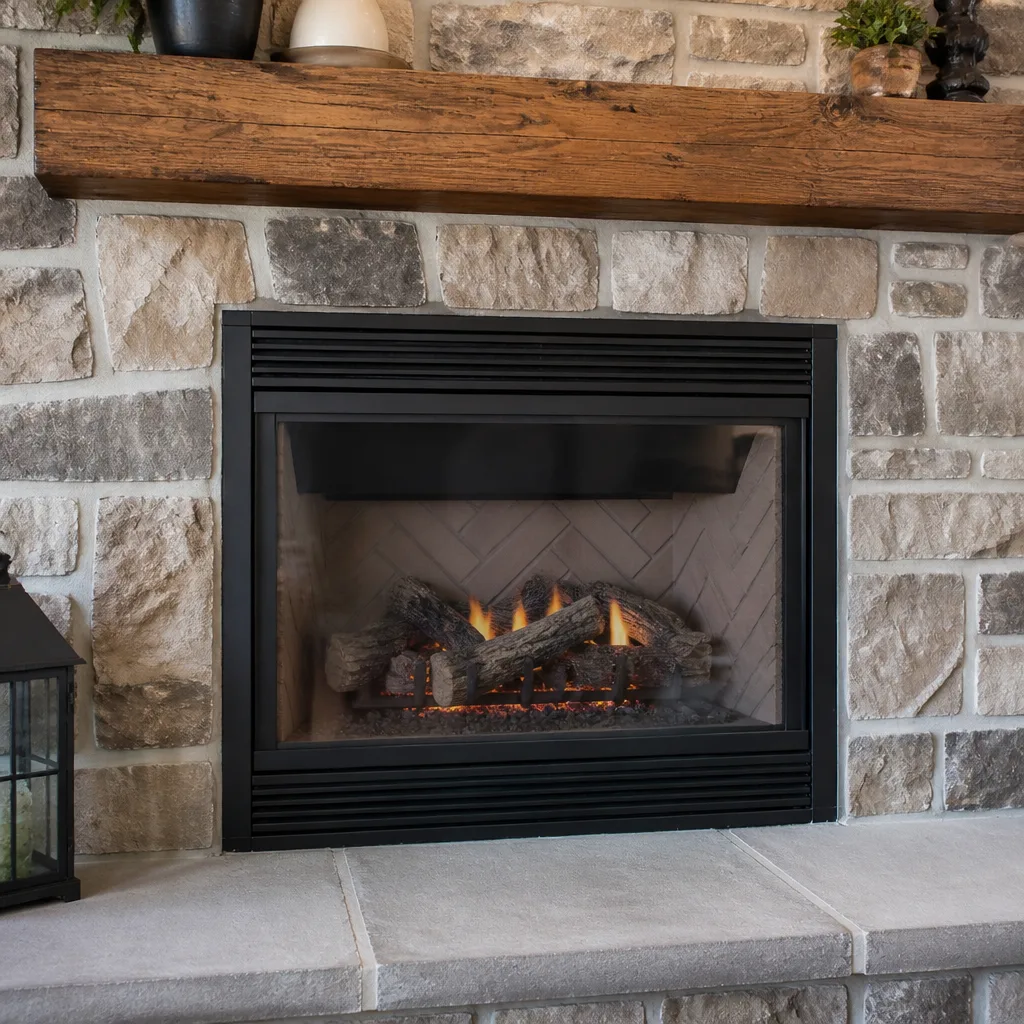 Gas fireplace service
Level 1 sweep and inspection to the NFPA 211 annual standard - flue, crown, cap, and flashing checked and photographed
Chimney sweep logs do not sweep chimneys. They loosen some creosote - which then falls where a brush and vacuum still have to collect it.
Chimney Cleaning Warning Signs: A Tremont Homeowner’s Reference Guide
A chimney fire doesn’t always sound like a roar. Sometimes it sounds like a distant rumble. Sometimes it sounds like nothing at all, and the only clue is a smell you’ve been noticing for weeks. That’s the part most homeowners get wrong: they wait for a dramatic signal while the quieter ones sit right in front of them, inside the house, where no roof inspection is needed to spot them. By the time a chimney demands attention on the roof, the evidence usually started indoors. This guide is built for Tremont homeowners who burn wood or run a gas fireplace and want to read those indoor signals correctly. You’ll learn what each smell, stain, and draft problem actually indicates, which ones mean stop burning tonight, and which ones mean schedule a sweep before the season turns.
Quick Answer
The most reliable chimney warning signs you can see from inside a Tremont home are a sharp acrid smell (active creosote), soot or creosote buildup at the firebox opening, smoke rolling back into the room, white efflorescence staining on the exterior, and spalling brick with crumbling mortar joints. Musty or sulfur smells point to moisture intrusion and gas venting problems, and both deserve prompt attention. Any of these signals means the chimney should be inspected before the next fire, not after.
Styles & brands we work with
- Sweep & inspection
- Caps & crowns
- Flue relining
- Masonry repair
- Gas fireplace service
Table of Contents
- The Smell Test: What Chimney Odors Actually Mean
- Soot and Creosote at the Firebox: Normal Residue or a Draft Problem?
- White Staining on the Chimney Exterior
- Spalling Brick and Mortar Joint Failure
- Draft Problems and Smoke Entering the Room
- Reading Creosote Stages Before They Become Dangerous
- When to Book a Sweep in Tremont
- How to Describe What You’re Seeing to Your Sweep
The Smell Test: What Chimney Odors Actually Mean
Your nose is the fastest diagnostic tool you own, and it’s more accurate than most homeowners give it credit for. Different chimney problems produce different smells, and those smells map to different levels of urgency. Learning to name what you’re smelling makes the conversation with your sweep far more useful than “there’s a weird odor in the living room.”
Sharp, acrid smell
This is the smell of active creosote, the tar-like byproduct of incomplete wood combustion that coats flue walls. A sharp, almost chemical bite in the air near the fireplace, especially after a fire, means creosote is present in meaningful quantity and may be at a stage where it can ignite. Creosote in its denser, glazed form is the fuel most chimney fires burn. If you smell this on a regular basis, stop burning until the flue has been inspected and swept.
Musty or damp smell
A musty, wet-earth smell coming from the firebox points to moisture getting into the chimney system. Common sources are a failing chimney cap, a cracked crown, or deteriorated flashing where the chimney meets the roof. Moisture intrusion degrades mortar, rusts dampers, and makes creosote deposits harder to clean. It’s not an emergency in the same way active creosote is, but it shouldn’t wait through a whole season either.
Sulfur or rotten egg smell
If you have a gas fireplace or gas logs, a sulfur smell is a gas venting issue and it is urgent. Stop using the appliance and shut off the gas supply if you know how. This is a carbon monoxide risk, not a creosote problem, and it needs a professional assessment before that fireplace runs again. For wood-burning homeowners, a sulfur-like smell is rare but can indicate a blockage trapping combustion gases.
Smoke smell without a fire
A lingering smoke smell in a house with a cold fireplace usually signals pressure problems in the flue rather than active burning. The chimney is pulling air the wrong direction, and the smell is combustion residue from past fires getting pushed back into the room. This one needs a draft assessment.
Soot and Creosote at the Firebox: Normal Residue or a Draft Problem?
Every wood-burning fireplace leaves some soot. That’s normal. The question isn’t whether you see residue, it’s where the residue sits and how it’s distributed. A light, even dusting of fine gray soot on the firebox walls is the residue of ordinary burning. Dark, thick, glossy deposits in only one area tell a different story.
What normal residue looks like
- Fine, dry, gray to black soot, evenly distributed on firebox walls
- A thin film on the damper and smoke shelf, no heavy buildup
- No creosote glaze on the firebox brick itself
- No dark staining extending up the face of the fireplace surround
What improper draft or a blocked flue looks like
- Heavy black staining above the firebox opening, spreading up the surround
- Sticky, glossy creosote visible on the firebox brick or damper
- Dark streaks concentrated along one edge of the smoke chamber
- Residue creeping around the damper frame, which suggests smoke backing up before it clears
When soot concentrates in one spot, it means smoke was pooling there rather than being drawn cleanly up the flue. That pooling has a cause: a partially obstructed flue, a damper that doesn’t open fully, a smoke chamber with poor geometry, or a flue that’s undersized for the fireplace opening. In Tremont’s older homes, some chimneys were built for coal and later converted to wood without resizing the flue, and the draft profile never quite fit the fireplace after the conversion. A sweep can tell you which of those you have. A chimney sweep with a camera can show you the flue interior, and the difference between “needs a cleaning” and “needs a draft correction” is visible on that camera.
White Staining on the Chimney Exterior
Those chalky white patches on your chimney’s brick are called efflorescence, and they’re one of the most misunderstood warning signs in masonry. Homeowners often mistake them for cleaning residue. They aren’t. Efflorescence is a salt deposit left behind when water moves through brick or mortar and evaporates at the surface, carrying dissolved salts with it. White staining on a chimney is, in plain terms, evidence that water has been traveling through the masonry.
Why it matters
Water inside a chimney isn’t cosmetic. It freezes, expands, and pushes mortar and brick apart from the inside. It rusts dampers and fireplace components. It feeds the mortar deterioration that eventually leads to spalling. Efflorescence that appears once and disappears after a dry spell is a mild signal. Efflorescence that returns, spreads, or appears with a damp interior wall near the fireplace is a sign of an ongoing moisture pathway.
Telling it apart from cleaning residue
Cleaning products, especially acidic brick cleaners, can leave a pale film. The difference is texture and location. Cleaning residue tends to sit on the brick surface, wash away with rain, and appear in a pattern that follows where you scrubbed. Efflorescence pushes out from inside the masonry, has a powdery crystalline look, often appears in irregular patches near mortar joints, and tends to reappear after damp weather. If the white staining has a fuzzy or powdery texture and returns after you brush it off, it’s coming from within.
What to check alongside it
Look at the chimney cap and crown while you’re examining the exterior. A cracked crown or a missing or damaged cap is one of the more common entry points for water in Tremont homes. Chimney cap & crown repair addresses the top of the system, which is where most water intrusion starts. If efflorescence shows up on the chimney body but the cap and crown look sound, the moisture may be entering through the flashing at the roofline, and that’s worth a specific look during inspection.
Spalling Brick and Mortar Joint Failure
Spalling is the most serious visible warning sign on a chimney’s exterior, and it’s the one homeowners most often confuse with ordinary settling. The distinction matters because the two carry very different timelines. Settling is slow and usually cosmetic. Spalling is progressive and eventually structural.
Early-stage deterioration: what to look for
- Mortar joints that recede slightly from the brick face, showing a visible step-down between brick and mortar
- Hairline cracks running horizontally along mortar lines
- Brick faces with a slightly rough or sandy texture, where the surface is starting to wear
- Small flakes or chips on the face of individual bricks, especially on the side of the chimney facing prevailing weather
- Mortar that crumbs when you touch it with a fingernail
Advanced structural compromise: stop and call
- Brick faces peeling off in large flakes or chunks, exposing a pitted interior
- Mortar joints that are mostly missing, so brick edges protrude noticeably
- Visible leaning, bowing, or separation of the chimney from the house wall
- Brick that crumbles or turns to powder when prodded
- Water staining combined with spalling on the upper courses
The early stage is a repair conversation. The advanced stage is a structural question that should be answered before the chimney is used again. A chimney repair assessment that includes the crown, the masonry, and the flue interior will tell you which stage you’re in. The last thing you want is a general contractor who looks at the chimney for five minutes and recommends a full rebuild; a chimney-specific inspection produces photo evidence and a written scope, and that’s what you should ask for.
Repointing mortar joints is a different job from rebuilding a chimney. The former repairs the exterior shell and buys decades of protection. The latter is a last resort. Our technicians have up to 14 years of experience, and in that time the single most common reason a chimney got rebuilt when it didn’t strictly need to be is that the homeowner accepted a verbal recommendation without asking for photos. Ask for photos. It’s your chimney; you’re allowed to see the evidence.
Draft Problems and Smoke Entering the Room
Smoke rolling into the room is the most immediate of all the warning signs. It’s happening in real time, it’s unpleasant, and it can scatter carbon monoxide into living space. Most homeowners describe it the same way: “it smokes.” The problem with that description is that a sweep hears it five times a week and sees a different cause each time. If you can identify which of these three patterns you’re seeing, you’ll get a more accurate diagnosis faster.
Cause 1: Negative pressure
This is the most common cause of smoke entering the room, and it has nothing to do with the chimney being dirty. Your house is competing for air. Kitchen exhaust fans, dryer vents, bathroom fans, and tightly sealed modern construction all pull air out of the house, and when the house is under slight negative pressure, the chimney loses the upward draft that carries smoke out. Signs of negative pressure include smoke that only backs up when a fan or dryer is running, smoke that backs up on windy days, and a fireplace that drafts fine some evenings and poorly on others. Older Tremont homes with new windows or replacement doors frequently develop this because the envelope tightened without the chimney getting a makeup air source.
Cause 2: Obstructed cap or flue
A chimney cap with a mesh screen can clog with creosote, bird nests, leaves, or ice. When the cap is blocked, the flue has nowhere to vent and smoke backs down into the room. Signs include smoke backup that gets worse over the course of a burn, a fireplace that smokes at the start of a fire and improves once the fire is hot, and visible debris or a missing cap when you look at the chimney top. A gas flue obstruction carries an extra concern: combustion gases that can’t rise have to go somewhere, and that somewhere is your room.
Cause 3: Collapsed or deteriorated liner
The liner is the flue’s interior wall. When a clay tile liner cracks, spalls, or shifts, the flue loses the smooth path that carries smoke upward, and the fireplace starts to draft poorly or smoke. This cause tends to develop gradually. Signs include smoke backup that’s getting worse year over year, a flue that hasn’t been inspected in years, visible cracks in the firebox that extend into the smoke chamber, and a deeper rumbling or echoing sound when smoke rolls back into the room. This is the cause that needs a camera inspection, because no amount of looking up the flue from the firebox tells you what the liner is doing three feet up.
How to talk to your sweep about it
Instead of “it smokes,” describe when it smokes. Does it smoke only on cold starts? Only in wind? Only when a fan is running? Does it improve once the fire is hot? Does it smell in the room when nothing is burning? Each answer narrows the cause. A sweep who knows the pattern arrives with the right tools instead of guessing. Link the fireplace repair scope when the firebox itself is part of the problem, and ask specifically whether a camera inspection is included.
Reading Creosote Stages Before They Become Dangerous
Creosote is the reason chimney sweeping exists, and its stages explain why the visible warning signs indoors matter so much. Creosote forms when wood doesn’t burn hot enough or clean enough, and it coats flue walls in layers that get denser and more flammable over time. You don’t have to be able to see inside your flue to know creosote is building. The firebox opening, the damper, and the smell in the room tell you plenty.
The three stages
- First-stage creosote. Fine, soot-like, and flaky. Wipes off with a brush. This is what a regular sweep removes and what you’d expect from a season of burning.
- Second-stage creosote. Crusty and brittle, dark brown to black, appears in layers that chip rather than wipe. Visible on the damper, the smoke shelf, and the firebox top. This is where sweeping becomes non-negotiable.
- Third-stage creosote. Glazed, tar-like, dense, and highly flammable. Looks like a shellac coating on the flue. Visible from the firebox only as a glossy sheen on the damper and near the smokeshelf in advanced cases. A single flake of this can fuel a chimney fire.
By the time a homeowner can smell a sharp acrid odor and see glossy deposits near the damper, the flue interior is likely at a second or third stage. The most reliable defense is regular inspection with a camera, and the best defense against the third stage is preventing the conditions that create it: burning well-seasoned wood, keeping the fire hot enough to combust cleanly, avoiding smoldering overnight burns, and scheduling a sweep at the right interval.
What supports that assessment
Our approach with professional-grade materials reflects how seriously the trade takes this. We work with the brands the chimney industry trusts. HeatShield ceramic resurfacing can restore a damaged flue when the structure allows it, and DuraFlex flexible liner systems reline aged or damaged flues when a full liner replacement is the right answer. Olympia Chimney and Gelco products show up in caps, liners, and components that hold up to years of thermal cycling. The materials matter, but they don’t replace an accurate assessment. No liner is installed on the strength of a smell alone; it’s installed on camera evidence, and you should be able to see that evidence before you approve the work.
When to Book a Sweep in Tremont
Tremont’s burning season has a shape, and the right time to sweep depends on where you are in it. The general principle is to inspect and sweep before you start burning for the season, not after the flue is already loaded. If you burn regularly, an annual inspection and sweep is the standard interval. If you burn occasionally, every other year is defensible, but it should be an inspected interval, not a skipped one.
A practical schedule
- Two to four weeks before the first fire of the season. Book the sweep. This is the window that keeps you off the busy list and gives you time to address any repair the inspection finds before cold weather.
- After any chimney fire, however quiet. Any episode that might have been a chimney fire, including a rumble you couldn’t place or a hot smell you couldn’t explain, warrants a full inspection. Chimney fires can damage liners without the homeowner realizing a fire happened.
- After any major storm. Tremont sees winter storms that drop ice and snow on chimney tops. A cap can lift, a crown can crack, and flashing can pull. A visual check and a camera look after a serious storm catches those early.
- Before buying or selling a home. A chimney inspection is a document, and its value at closing is real. Sellers who have it with photo evidence have far smoother negotiations than sellers who don’t.
- Any time you’ve noticed a warning sign from this guide. Don’t wait for the calendar. A sharp smell, new white staining, or smoke backing into the room all mean move up the date.
Early fall is the busiest stretch in Tremont. Booking ahead is the practical answer. If you’re reading this in spring or summer, you’re already ahead of the curve, and an inspection now means that whatever the inspector finds has time to be fixed on your schedule rather than in a rush.
How to Describe What You’re Seeing to Your Sweep
The quality of a first appointment depends a lot on how the problem was described on the phone. A precise description gets a sweep who shows up with the right equipment and the right expectations. A vague description gets guesswork. Here’s a short script that makes the difference: list what you’ve noticed using the terms from this guide.
- “I smell a sharp, acrid odor in the living room even when there’s no fire.”
- “I see dark, glossy deposits around the damper and the top of the firebox.”
- “There’s white staining on the chimney’s exterior that comes back after rain.”
- “Some of the brick faces are flaking off on the side facing the weather.”
- “Smoke backs into the room only when the kitchen fan is on.”
- “Smoke comes down at the start of a fire and clears once it’s hot.”
- “There’s a musty smell near the fireplace after wet weather.”
Include the photo. A single photo of the firebox, the chimney exterior, or the damper tells a sweep more than a paragraph of description. When the appointment happens, ask three questions before the technician leaves: what did the camera show, what needs attention now versus later, and can I see the photos. A chimney inspection isn’t a formality. It’s the document that tells you exactly what your flue can and can’t safely handle, and you should walk away with it in hand.
Common Mistakes to Avoid
- Waiting for a loud chimney fire to take the chimney seriously. Many chimney fires are quiet. The indoor signals in this guide are often the only warning a homeowner gets, and treating them as background noise is how small creosote problems become structural ones.
- Treating white staining as a cosmetic problem. Efflorescence is a moisture signal. Painting over it, or ignoring it, traps the water in the masonry and accelerates spalling.
- Assuming settling is the same as spalling. A slightly uneven brick line on an older Tremont chimney is normal. Flaking brick faces and crumbling mortar are not. Knowing which you have saves you from both overreacting and underreacting.
- Blaming the chimney for every draft problem. Negative pressure in a well-sealed house can make a perfectly clean chimney smoke. A camera inspection before any repair will tell you which cause you’re dealing with, rather than treating every smoke issue as a blockage.
- Skipping the camera inspection and relying on a phone description. A “needs work” recommendation without photos is exactly the situation this guide exists to prevent. Ask for evidence; any sweep worth hiring will produce it.
- Burning unseasoned wood to save money on fuel. Green wood produces far more creosote per fire, and the cost of extra sweeping and liner damage outweighs the savings. In Tremont’s damp shoulder seasons, wood stored without cover absorbs moisture and burns cool, which compounds the problem.
- Using a general handyman for a liner or masonry job. Chimney work has its own materials, its own code requirements, and its own failure modes. A specialist with the right brand relationships is a different kind of hire than a general contractor, and the difference shows up in the liner’s lifespan.
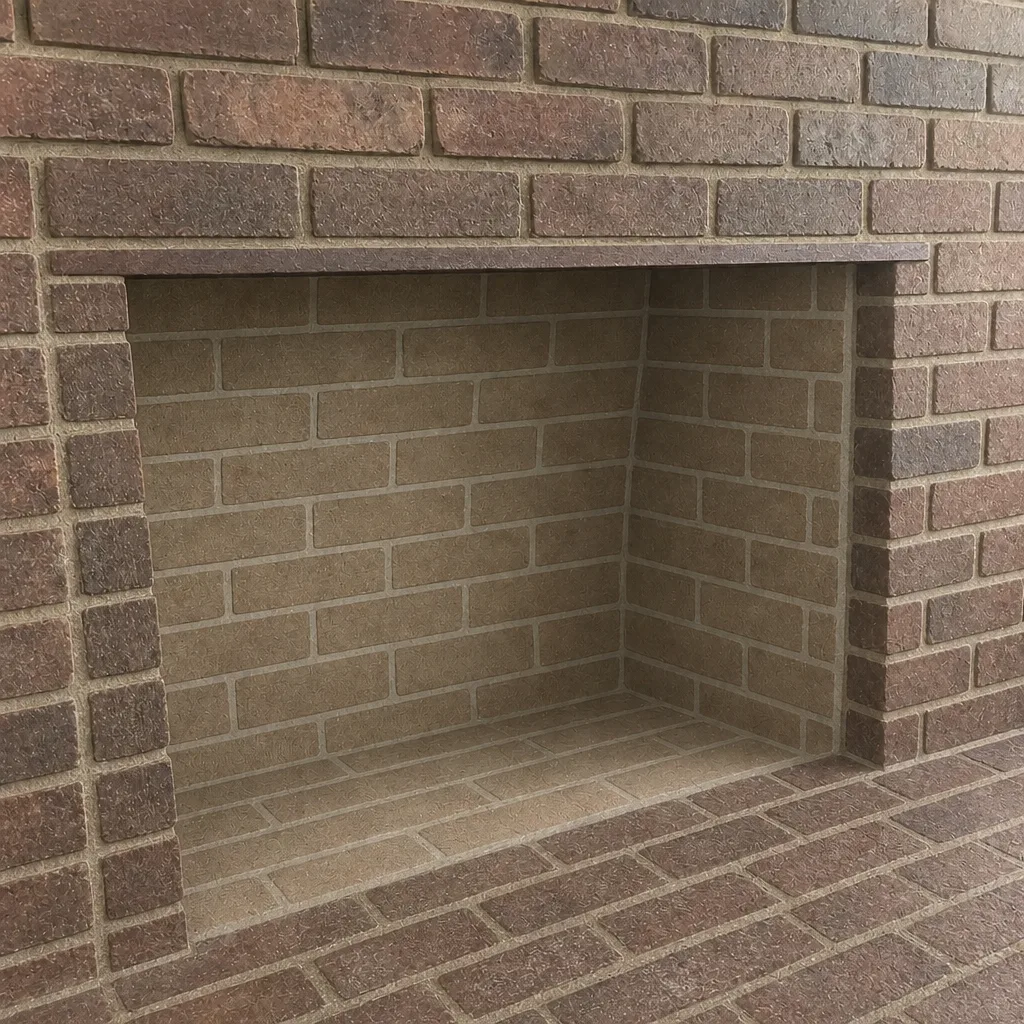
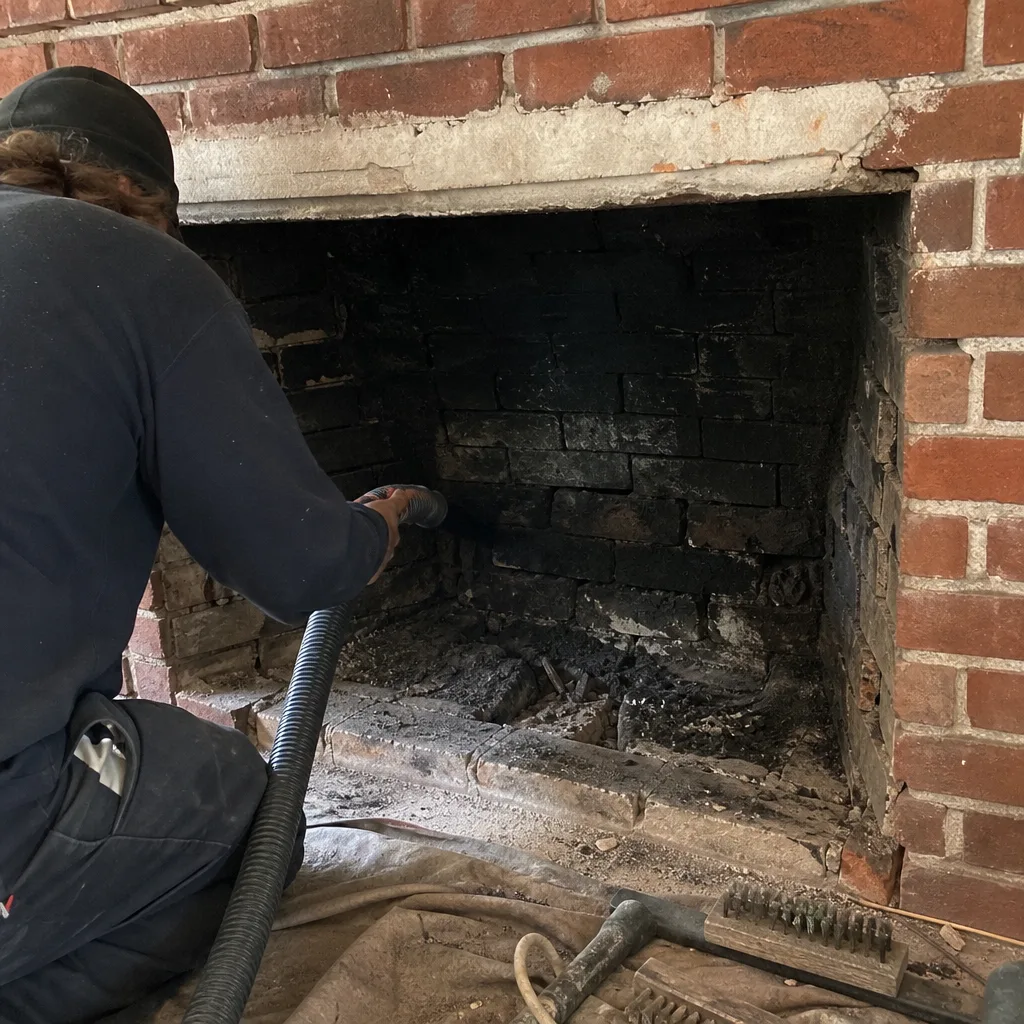
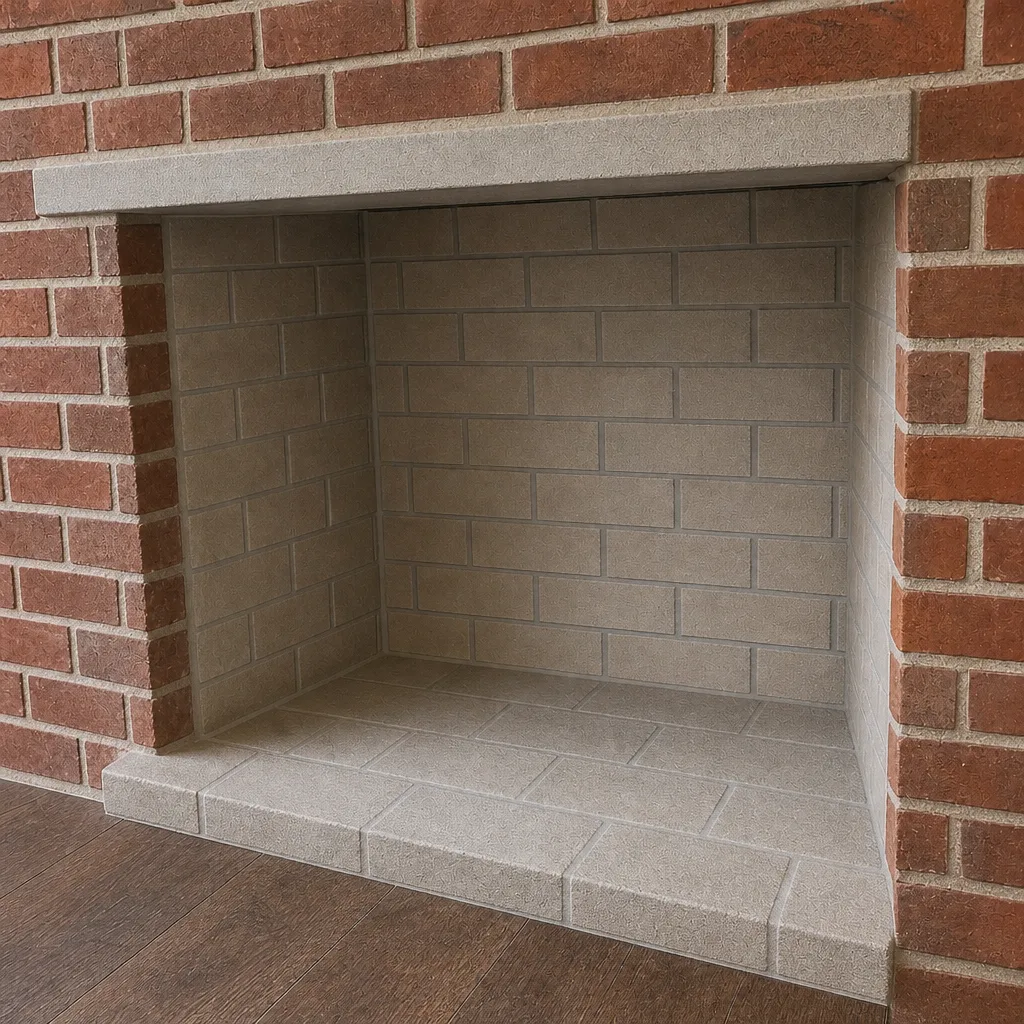
See the difference
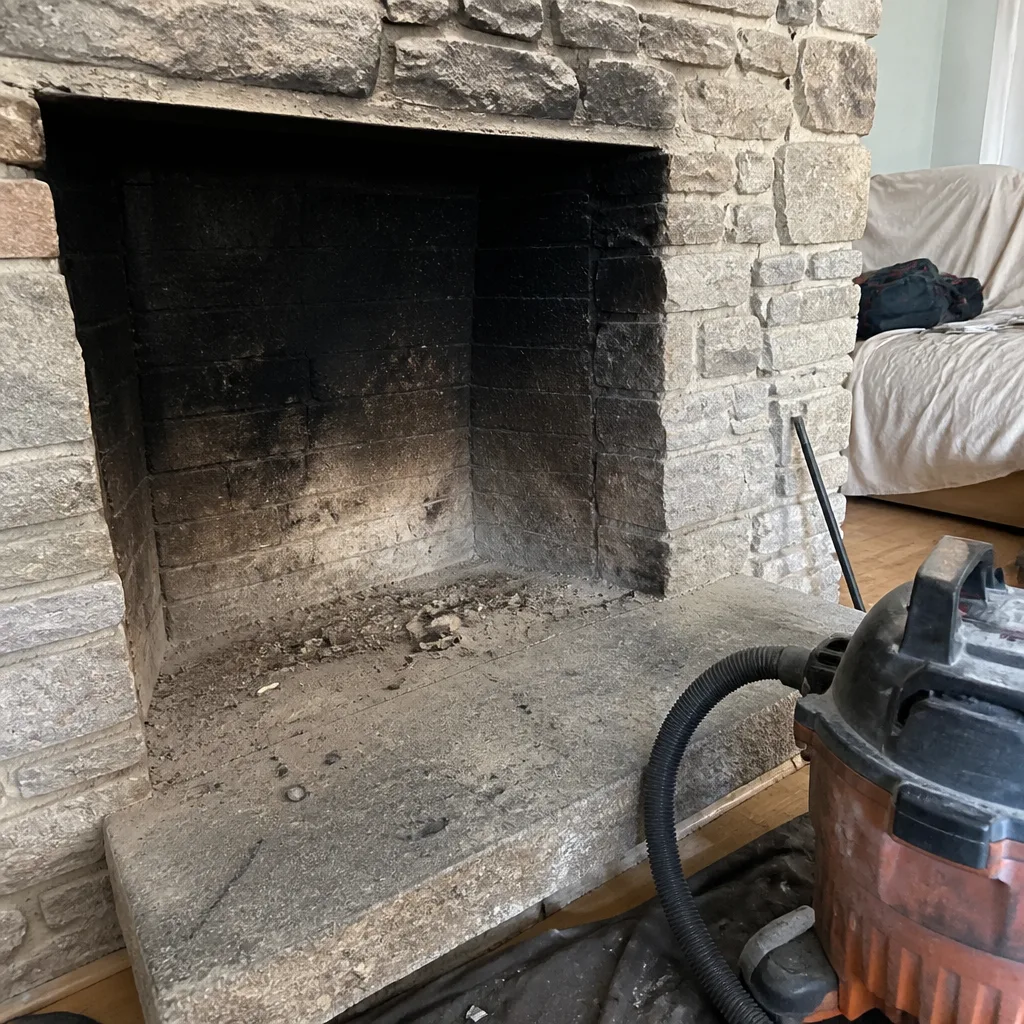 Before
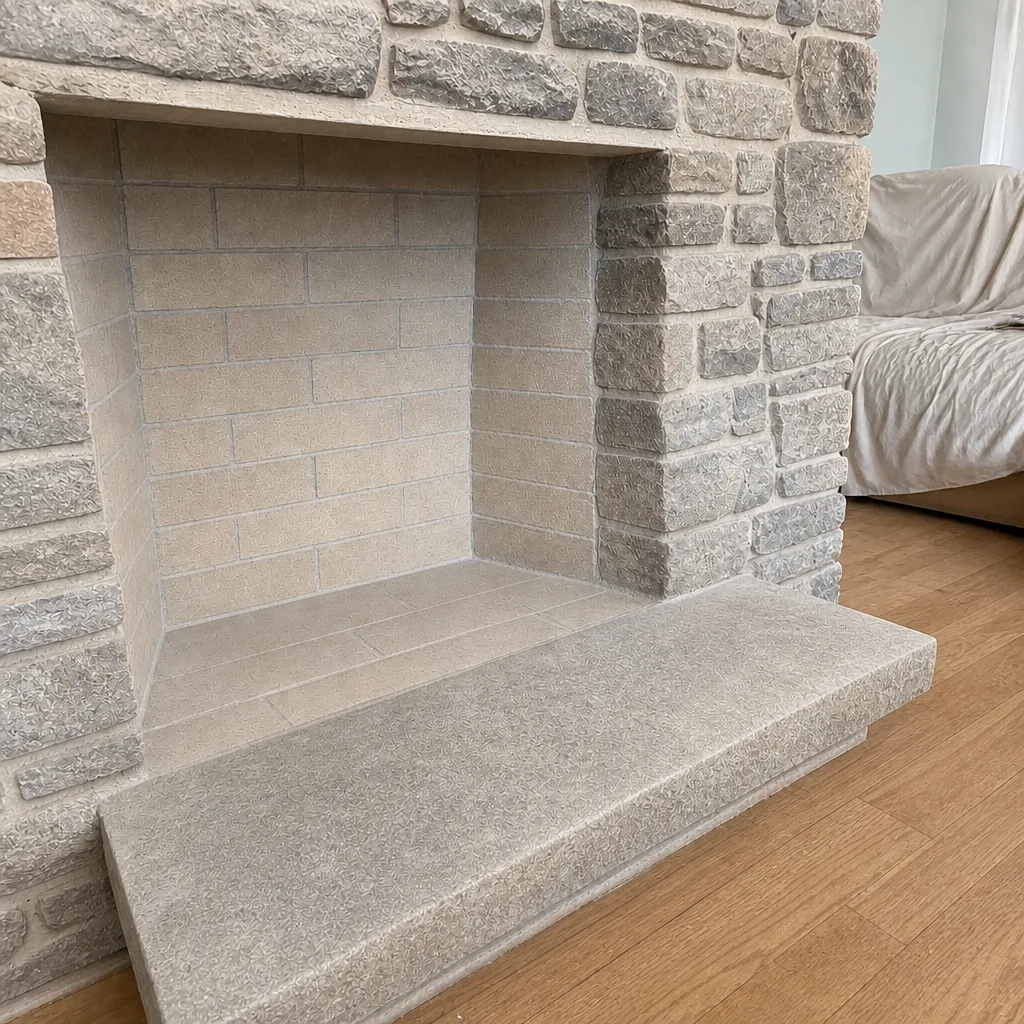 After
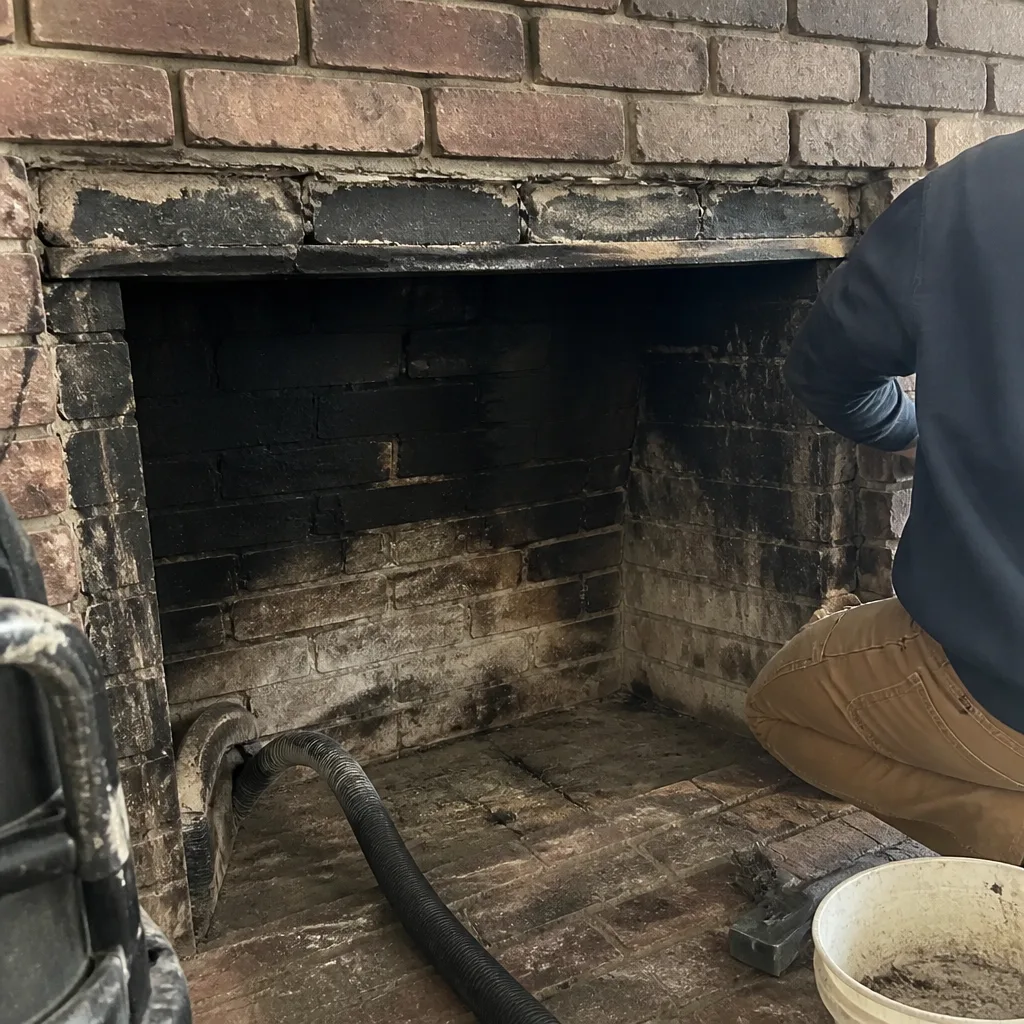 Before
 After
 Before
 After
When to Call a Professional
Call a professional the same day if you smell sulfur or rotten egg near a gas fireplace, if smoke is entering the room during a burn, or if you see flaking brick faces that expose a pitted, crumbling interior. Those three signals carry real safety weight and shouldn’t wait for a convenient window. Call within the week if you smell a sharp acrid odor indoors, if you notice fresh white staining on the chimney, if the damper has a glossy coating, or if you haven’t had an inspection in more than a year. Call before the season if the chimney hasn’t been looked at in recent memory and you’re planning to burn this winter. Chimney Sweep Tremont handles the full-system chimney scope in one visit. We perform inspection, sweep, cap and crown, liner repair, and fireplace repair with the professional-grade brands the trade relies on. The local pro is licensed and insured as their state requires. Estimates are free, and nothing is recommended without camera evidence you can review. Call (844) 979-4331. We answer 24/7. Fast dispatch from 7am to 7pm, Sunday through Friday.
Frequently Asked Questions
Once a year is the standard for regular wood burning, and every second year is reasonable for occasional use, provided the chimney is inspected on that same schedule. Annual inspection matters as much as the sweep itself. An inspection catches liner cracks, crown damage, and cap problems before they become repair jobs. A sweep without an inspection misses half the story, and in a Tremont home the story is often at the top of the chimney or inside the flue. Call (844) 979-4331 for an exact quote. Estimates are free.
A sulfur or rotten egg smell near a gas fireplace indicates a gas venting problem and should be treated as urgent. Stop using the appliance, shut off the gas if you know how, and call for a professional assessment. This is a carbon monoxide concern, not a creosote concern. For wood-burning fireplaces without gas components, a sulfur smell is unusual and likely points to a blockage, which still warrants a professional look. Call (844) 979-4331 for an exact quote. Estimates are free.
Cleaning the white staining off is fine, but if it comes back after damp weather, the moisture source is still active. Efflorescence is a symptom, not the problem. The fix is to find and stop the water path, whether that’s a failing cap, a cracked crown, deteriorated flashing, or interior masonry that needs repair. A chimney-specific inspection identifies the source. Call (844) 979-4331 for an exact quote. Estimates are free.
No. Early-stage spalling, where brick faces show slight flaking and mortar joints are receding, is usually a repointing job rather than a rebuild. Advanced compromise, with large flakes coming off brick faces and mortar joints largely gone, is where a rebuild enters the conversation. Photos and a written scope should drive the decision. Ask for both before you approve any work. Call (844) 979-4331 for an exact quote. Estimates are free.
That pattern points to negative pressure rather than a dirty flue. The exhaust fan is pulling air out of the house faster than the chimney can draw it in, so smoke reverses into the room. A camera inspection confirms the flue is clean and helps identify a makeup air solution. Don’t assume it’s a creosote issue; the fix is often air balance, not a cleaning. Call (844) 979-4331 for an exact quote. Estimates are free.
A useful report includes camera photos of the flue interior, a description of any cracks or gaps in the liner, an assessment of the cap and crown, and a clear distinction between “needs attention now” and “monitor and plan.” If the report is a verbal list without photos, ask for the images. Our reports are built on camera evidence, because a chimney inspection is the document that tells you exactly what your flue can and can’t safely handle. Call (844) 979-4331 for an exact quote. Estimates are free.
The Bottom Line
Most chimney problems announce themselves indoors long before they’re visible from the roof. A sharp acrid smell means active creosote. Musty smells mean moisture. Sulfur means gas venting and urgency. Heavy soot concentrated in one spot points to a draft problem. White staining on the exterior is a moisture signal, not a cosmetic one. Flaking brick and crumbling mortar mean structural attention, and the difference between early and advanced is the difference between a repair and a rebuild. Smoke backing into the room has three common causes, and describing which one you suspect makes the appointment far more useful. Read the signs early, have the inspection done, and ask for camera evidence before you approve anything. Our team at Chimney Sweep Tremont is built for exactly this kind of work: chimney-only focus, full-system scope, and professional-grade materials from the brands the trade trusts. Call (844) 979-4331 for a free estimate.
Written by the team at Chimney Sweep Tremont.