
Last updated November 25, 2026
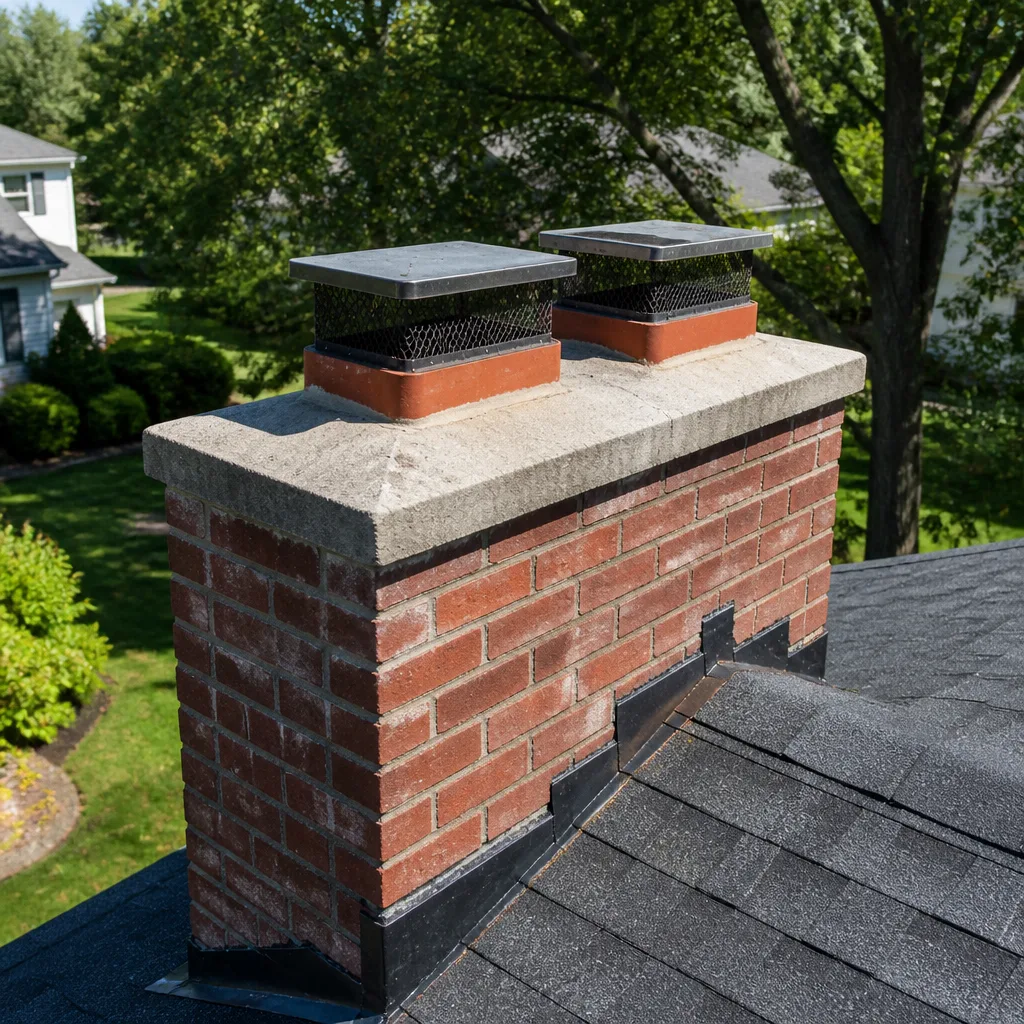 Sweep & inspection
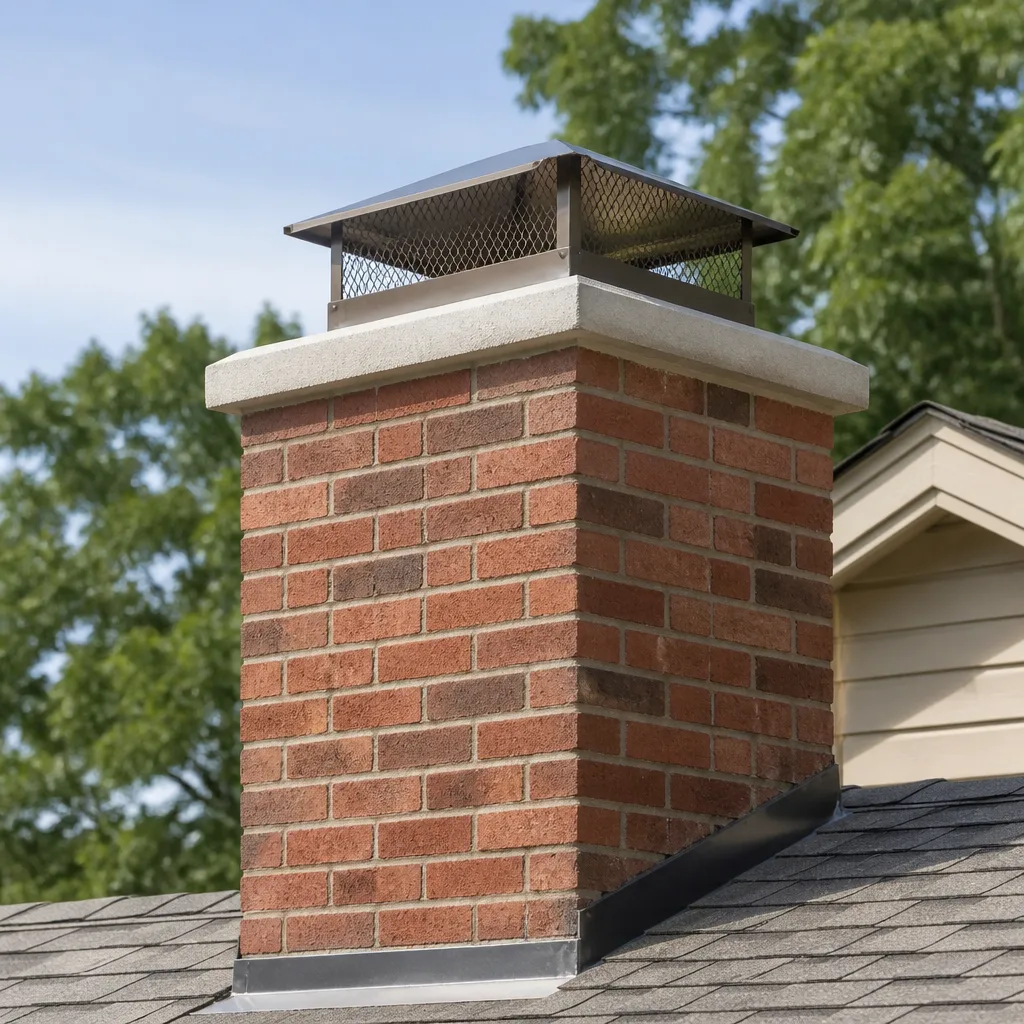 Caps & crowns
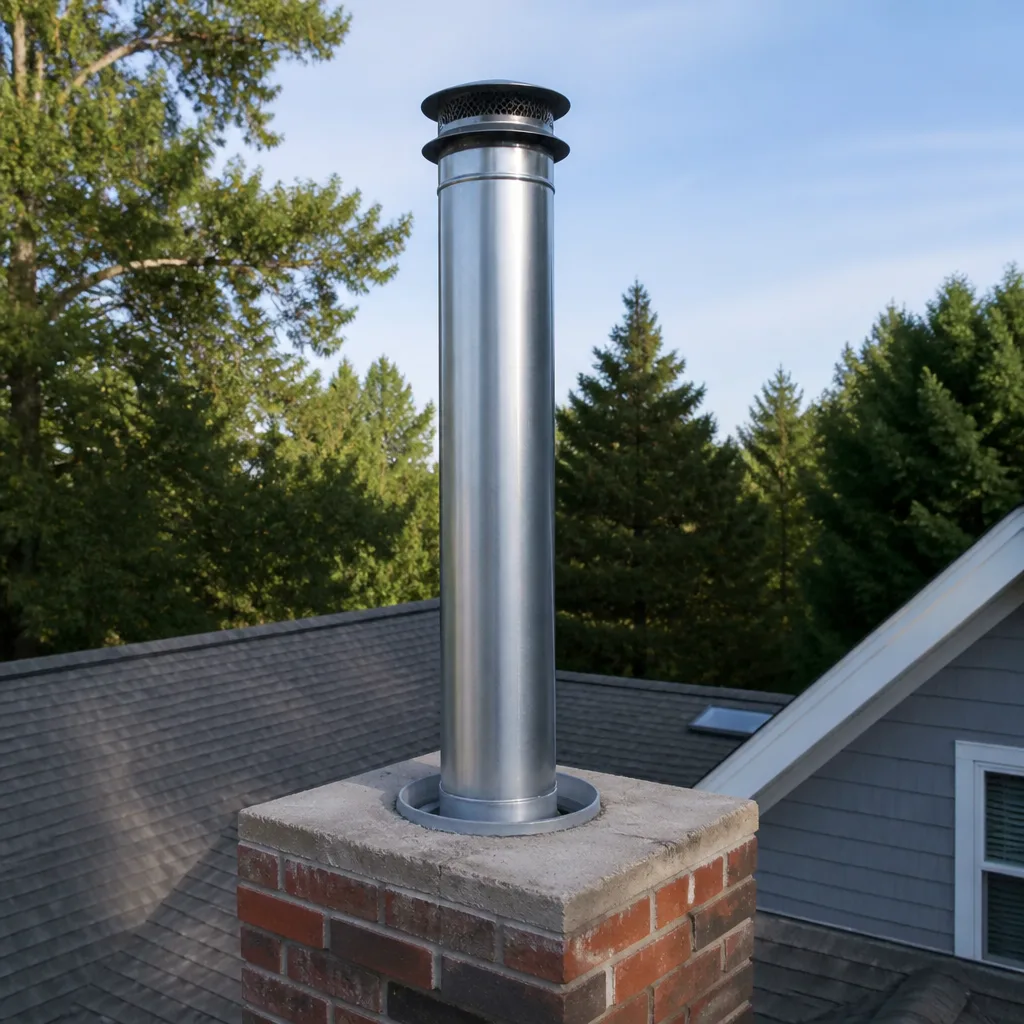 Flue relining
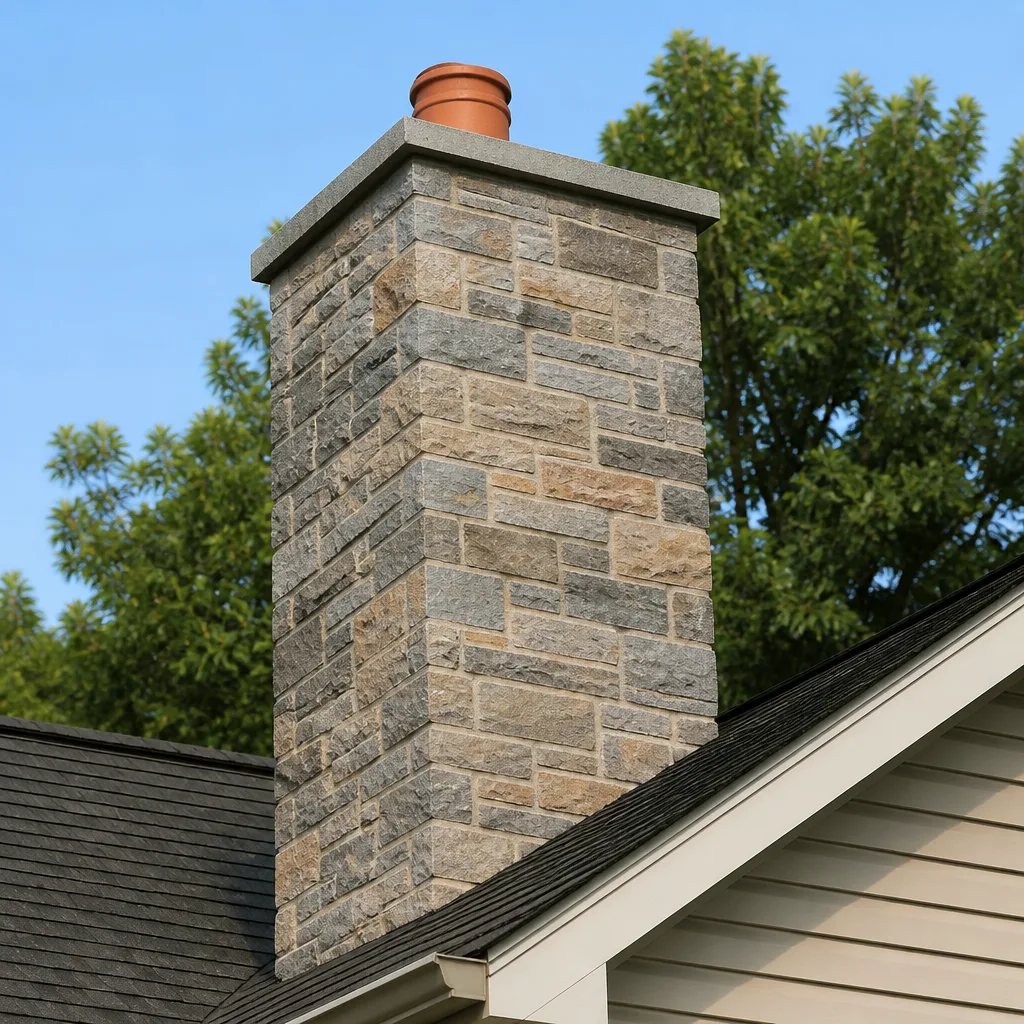 Masonry repair
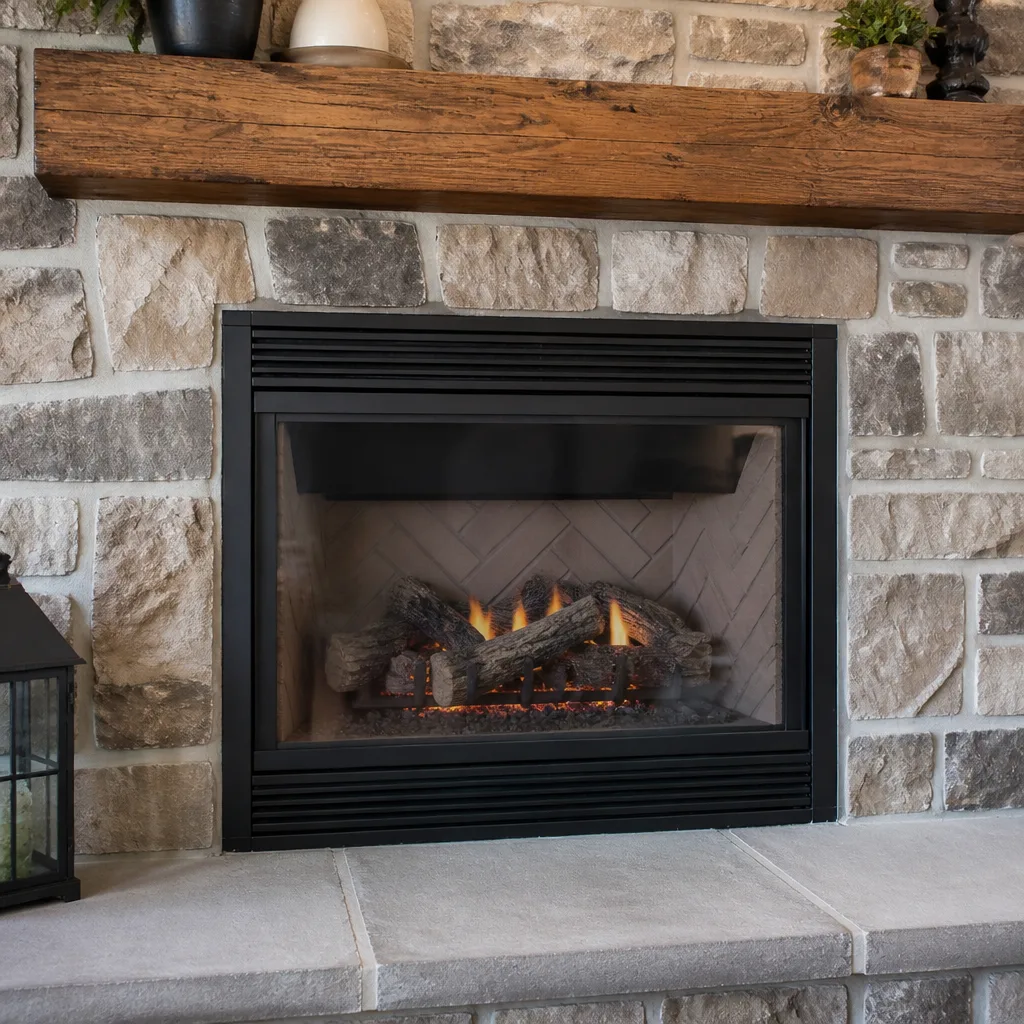 Gas fireplace service
Level 1 sweep and inspection to the NFPA 211 annual standard - flue, crown, cap, and flashing checked and photographed
Chimney sweep logs do not sweep chimneys. They loosen some creosote - which then falls where a brush and vacuum still have to collect it.
Choosing the Right Chimney Cleaning Brand: A Buyer’s Guide for Tremont
Most homeowners judge a chimney company by the truck, the uniform, or the price at the top of the quote. The brands on the materials list tell you far more. The chimney industry runs on a small set of professional-grade product lines that experienced sweeps use by default, and a much larger set of generic products that look identical on paper but behave very differently once they’re holding back 1,000-degree flue gases through a Tremont winter. Freeze-thaw cycles here work on masonry and metal the way a slow lever works on a wall. This guide shows you which brands set the benchmark, what each material is actually rated for, and how to ask about them without turning the conversation into an argument.
Quick Answer
The right chimney cleaning brand is the one whose materials match your flue’s condition and your climate. In Tremont, that means professional-grade liner systems from DuraFlex, ceramic resurfacing from HeatShield, and caps and crowns built from materials rated for repeated freeze-thaw, not the cheapest patch product on the shelf. Brand names on a quote are a shortcut to understanding what a contractor actually intends to install in your chimney.
Styles & brands we work with
- Sweep & inspection
- Caps & crowns
- Flue relining
- Masonry repair
- Gas fireplace service
Table of Contents
- Why the Brands on a Quote Matter More Than the Truck
- Liner Systems: Flexible Stainless, Rigid Stainless, and HeatShield Resurfacing
- Crown Repair Materials: Pre-Mixed Patch vs. Properly Proportioned Cast Crown
- Creosote Removal: Liquid Catalytic vs. Dry Powder Treatments
- Cap and Chase Cover Materials: Galvanized vs. Stainless
- How to Ask a Contractor About Materials Without Sounding Adversarial
- What Tremont’s Climate Does to Chimney Materials
Why the Brands on a Quote Matter More Than the Truck
A chimney sweep’s material choices are the clearest signal of professional standards you’ll get before work begins. Anyone can say they do quality work. A quote that names DuraFlex for a reline or HeatShield for a flue resurfacing tells you the contractor has committed to a specific product system with published performance ratings, installation requirements, and manufacturer support behind it. That’s a different level of accountability than “we’ll use a stainless liner.”
Generic products aren’t necessarily dangerous. They’re just unaccountable. When a no-name flexible liner fails two winters in, there’s no manufacturer to call, no published spec sheet to check against, and no warranty path. When a DuraFlex liner fails within its rating window, there’s a paper trail from the manufacturer down to the installer. That matters in Tremont, where the temperature swings from a January thaw to a hard freeze inside a single week, and materials get cycled hard.
Our approach at Chimney Sweep Tremont is simple: we work with the brands the chimney industry trusts, including DuraFlex, HeatShield, Copperfield, and Gelco, because the materials matter as much as the labor. That’s not a marketing line, it’s a procurement decision. The brands a contractor keeps on hand reflect what they expect to install on a routine basis.
- Trade-grade brands carry published spec sheets, alloy designations, gauge ratings, and installation standards
- Generic products often have none of the above, or vague specs that don’t survive a second look
- Manufacturer authorization means the installer has been vetted by the brand, not just the customer
- Warranty paths exist through the brand when a trade-grade product fails within its rated window
If you want a broader overview of what a professional chimney sweep does beyond material selection, that’s covered separately. For now, focus on the brands.
Liner Systems: Flexible Stainless, Rigid Stainless, and HeatShield Resurfacing
Not every damaged flue needs a full reline. There are three main material paths for restoring a flue’s safe function, and each is rated for a different set of conditions. Getting this right in Tremont starts with understanding what each system can and can’t handle.
Flexible stainless liners (DuraFlex and similar)
Flexible stainless liners are the default for retrofits where the original clay tile flue is cracked, spalled, or undersized for the appliance. DuraFlex is the brand most experienced sweeps reach for, and the reason is the alloy and gauge. Wood-burning flues see sustained temperatures and corrosive condensates that punish thin-wall or low-grade stainless. A properly specified flexible liner uses a stainless alloy rated for wood-burning service, and the installation includes insulation to keep flue gases above condensation temperature. The gauge and alloy grade are what determine how long the liner survives, not the brand name alone.
Ask any contractor quoting a flexible liner two questions: what alloy, and what gauge. If they can’t answer both, they’re quoting a product they don’t understand.
Rigid stainless liners
Rigid liner sections are appropriate where the flue is straight enough to accept them and where maximum durability matters more than flexibility. They’re heavier, more expensive, and harder to install through offsets, but they offer the longest service life when the geometry cooperates. Rigid sections rely on the same alloy and gauge discipline as flexible liners, and the same questions apply.
HeatShield ceramic resurfacing
HeatShield is a ceramic resurfacing system that repairs a damaged flue from the inside without installing a new liner. It’s appropriate when the existing clay tile flue is structurally sound but has cracks, gaps, or spalling that would otherwise allow flue gases to escape into the chimney structure. HeatShield lets us resurface a damaged flue without a full reline, saving time and cost when the structure allows it. Not every flue qualifies, but when it does, it’s a repair path many general contractors can’t offer because they don’t carry the system.
How to compare liner options
- Get the flue’s condition documented first. A camera inspection shows what’s actually there, so the liner choice matches the damage.
- Ask for the alloy and gauge on any stainless liner quote, in writing.
- Ask whether HeatShield is a candidate if the flue is cracked but structurally intact.
- Confirm the installation includes insulation on wood-burning liners, not just the liner itself.
- Get the manufacturer name on the quote, not just “stainless liner.”
Crown Repair Materials: Pre-Mixed Patch vs. Properly Proportioned Cast Crown
The crown is the concrete cap on top of the chimney. It’s the first line of defense against water, and in Tremont it takes the worst of the freeze-thaw cycle every winter. The single biggest driver of crown failure here isn’t age, it’s what the crown was made of when it was last repaired.
Pre-mixed crown patch products are convenient and cheap. They’re also formulated for general masonry patching, not for a horizontal surface that will freeze and thaw dozens of times per season. Water gets into the patch, freezes, and pushes it apart from below. A properly proportioned cast crown, mixed to a specific cement-to-sand ratio and given the right slope and overhang, moves with the chimney instead of separating from it. It takes longer to install and costs more up front, and it lasts many times longer in a climate like Tremont’s.
How to tell from a quote which one you’re getting
- Language: “crown patch” or “crown repair” usually means a pre-mixed product. “Crown rebuild” or “cast crown” means a newly formed crown.
- Scope: a cast crown requires removing the old crown material down to the flue tile, forming, mixing, and curing. A quote that describes only a skim coat is a patch.
- Materials line: look for a named cement or mortar product. Pre-mixed patch products are often listed generically.
- Overhang and drip edge: a proper cast crown extends past the chimney walls with a drip edge to throw water clear. A patch usually doesn’t.
We see this same pattern in chimney cap & crown work across Tremont: crowns that failed within a few seasons because they were patched rather than rebuilt. The materials decide the timeline.
Creosote Removal: Liquid Catalytic vs. Dry Powder Treatments
Creosote removal isn’t a single product category, because creosote isn’t a single substance. It ranges from light soot at the top of the flue to hard, glazed, tar-like deposits that won’t come off with a brush. Treating glazed creosote with the wrong product wastes money and can leave a flammable layer in the flue. Two chemical approaches dominate the trade, and each works differently.
Liquid catalytic treatments
Liquid catalytic products are applied to the creosote and chemically alter its structure over time, converting hard glazed deposits into a brittle, brushable form. They’re most useful on stage-three glazed creosote, where mechanical sweeping alone won’t work. The catalysts work by lowering the temperature at which creosote breaks down, so the deposits become removable with a follow-up sweep. Timing matters: the treatment needs to sit, and the follow-up sweep is part of the process, not an optional add-on.
Dry powder treatments
Powder treatments are applied through the firebox and carried up the flue with the exhaust gases, coating the creosote as it goes. They’re appropriate for lighter deposits and as a routine maintenance measure between sweeps. They work by drying and conditioning the creosote so it doesn’t glaze or bond to the flue walls. They’re not a substitute for mechanical sweeping and they’re not strong enough to convert heavy glazing on their own.
What actually determines the right choice
- The stage of creosote. Light deposits can often be swept mechanically. Glazed deposits usually need a catalytic treatment before sweeping will work.
- The depth of the deposit. Thick glazing on a damaged flue may warrant relining rather than chemical removal.
- The flue’s condition. Chemical treatment on a flue with cracks can push residue into the chimney structure, so the flue is evaluated first.
- The appliance. Wood-burning and gas appliances produce different deposit profiles, and the treatment schedule follows the appliance.
No product, liquid or powder, is a substitute for a physical sweep. The chemical approach conditions the deposit; the sweep removes it. Anyone offering creosote removal without a sweep in the process is skipping a step.
Cap and Chase Cover Materials: Galvanized vs. Stainless
The price difference between a galvanized cap and a stainless cap looks significant on a quote. Over a ten-year horizon in Tremont, it’s close to irrelevant. Galvanized steel resists rust for a while, then begins to break down, particularly on the seams and fastener points where the zinc coating is thinnest. Once rust starts, a cap that was supposed to keep water and animals out starts letting both in, and it’s usually replaced within a decade.
Stainless steel caps cost more up front and last much longer in a freeze-thaw climate. The savings from buying galvanized disappear the first time the cap has to be replaced, and the replacement cost isn’t just the cap: it’s the labor of getting back on the roof and the possible water damage if the failing cap goes unnoticed for a season. The same logic applies to chase covers, which seal the top of a prefab chimney chase and take the same weather exposure.
- Galvanized caps: lower up-front cost, shorter service life, more likely to fail at seams and fasteners
- Stainless caps: higher up-front cost, much longer service life, better performance on multi-flue and irregular chimneys
- Custom fabrication: multi-flue chimneys and chases usually need a made-to-fit cap, and stainless fabrication from a brand like Copperfield holds up where generic caps don’t
- Why the price gap doesn’t matter over time: the labor cost of a return visit usually exceeds the difference in material cost by itself
The cap is the part of the chimney that does the most weather work for the least appreciation. Choose the material for the climate, not the quote.
How to Ask a Contractor About Materials Without Sounding Adversarial
You don’t need to interrogate anyone. You need three or four specific questions that a competent sweep will answer without hesitation, and a less careful one will dodge. Frame them as curiosity rather than a challenge: you’re trying to understand what’s going into your chimney, not auditioning the contractor.
Questions a professional-grade contractor answers easily
- “What brand of liner are you planning to use, and what alloy and gauge is it?” If they name a trade-grade brand like DuraFlex and can tell you the alloy, they know their materials.
- “Is this crown a patch or a full cast crown?” A cast crown rebuild is the correct repair in a freeze-thaw climate. A patch is a stopgap.
- “What’s the creosote stage, and is a chemical treatment part of the plan?” A sweep who has done a real inspection can tell you the stage. If they can’t, they haven’t looked closely enough.
- “What material is the cap, and how long is it rated for?” Galvanized and stainless are different products at different price points, and a good contractor will say so plainly.
- “Can you show me the camera footage of what you found?” The inspection should be documented, and the documentation should be something you can look at yourself.
If you want to see how this plays out for a broader chimney evaluation, our guide to chimney repair walks through the inspection-to-estimate path. The material questions are the same.
A contractor who can’t answer the alloy-and-gauge question isn’t lying. They’re just quoting a product they haven’t committed to understanding. That’s not the contractor you want inside your flue.
What Tremont’s Climate Does to Chimney Materials
Tremont’s winters cycle between hard freezes and thaws, and that cycling is what kills chimney materials that would last decades in a milder climate. Water gets into masonry and metal joints during a thaw, freezes overnight, expands, and pushes the material apart. Repeat that dozens of times per winter and the small weaknesses in a material become failure points.
The implications for material choice are direct. Crowns need to be properly cast, with the right slope and overhang, so water drains off instead of pooling. Caps need to be stainless, not galvanized, because the freeze-thaw cycle attacks galvanized seams faster than it attacks stainless. Liners need to be alloy-rated for wood-burning service, because condensation from a cold exterior and a hot flue interior is continuous through the heating season. And creosote deposits need to be addressed chemically before they glaze, because once they bond to the flue wall, mechanical sweeping won’t remove them.
We see the same failures over and over in Tremont: patched crowns that split after two winters, galvanized caps with rust at the fasteners, flexible liners that were underspec on gauge and failed at the seams. None of these are mysterious. They’re the predictable outcome of materials chosen for the quote instead of the climate.
In our experience, the money saved by choosing a cheaper material on the quote gets spent again, plus the labor cost of a return visit, within a few seasons. That’s the trade the brands on the materials list are asking you to consider. A chimney cap or crown installed with the right material is a one-time job. The wrong material is a repeat customer.
Common Mistakes to Avoid
- Judging the quote by the total price alone. A quote that’s significantly cheaper than others almost always points to a cheaper material, not a better deal. Ask what changed between the quotes.
- Accepting “stainless liner” as a complete answer. Stainless is a category, not a specification. The alloy and gauge decide how long it lasts in Tremont’s freeze-thaw cycle.
- Letting a crown be patched rather than rebuilt when the damage is structural. A patch on a failing crown is a temporary fix, and in a cold climate the timeline is measured in a couple of winters.
- Choosing a galvanized cap for a few dollars less. Over ten years, the material cost difference usually falls below the labor cost of the second visit.
- Treating creosote removal as a one-step process. Chemical treatments condition the deposit; the sweep removes it. Skipping either step leaves a flammable layer in the flue.
- Hiring a generalist because the price is lower. A crew that also does gutters and pressure washing isn’t trained on liner systems, crown materials, or creosote staging. The chimney is a specific system and the materials reflect that.
- Accepting an inspection report that’s just a cleaning receipt. A chimney inspection isn’t a formality. It’s the document that tells you exactly what your flue can and can’t safely handle, and it should come with camera footage you can review.
See the difference
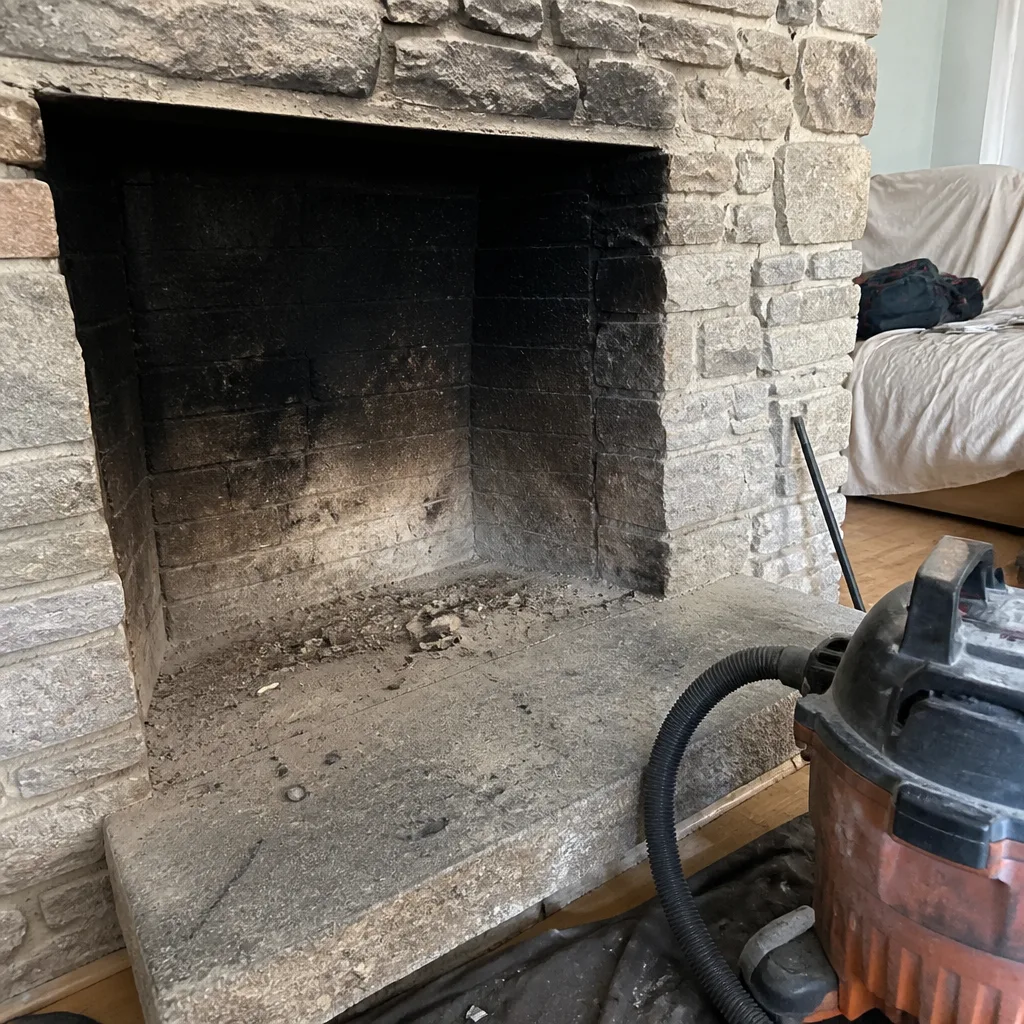 Before
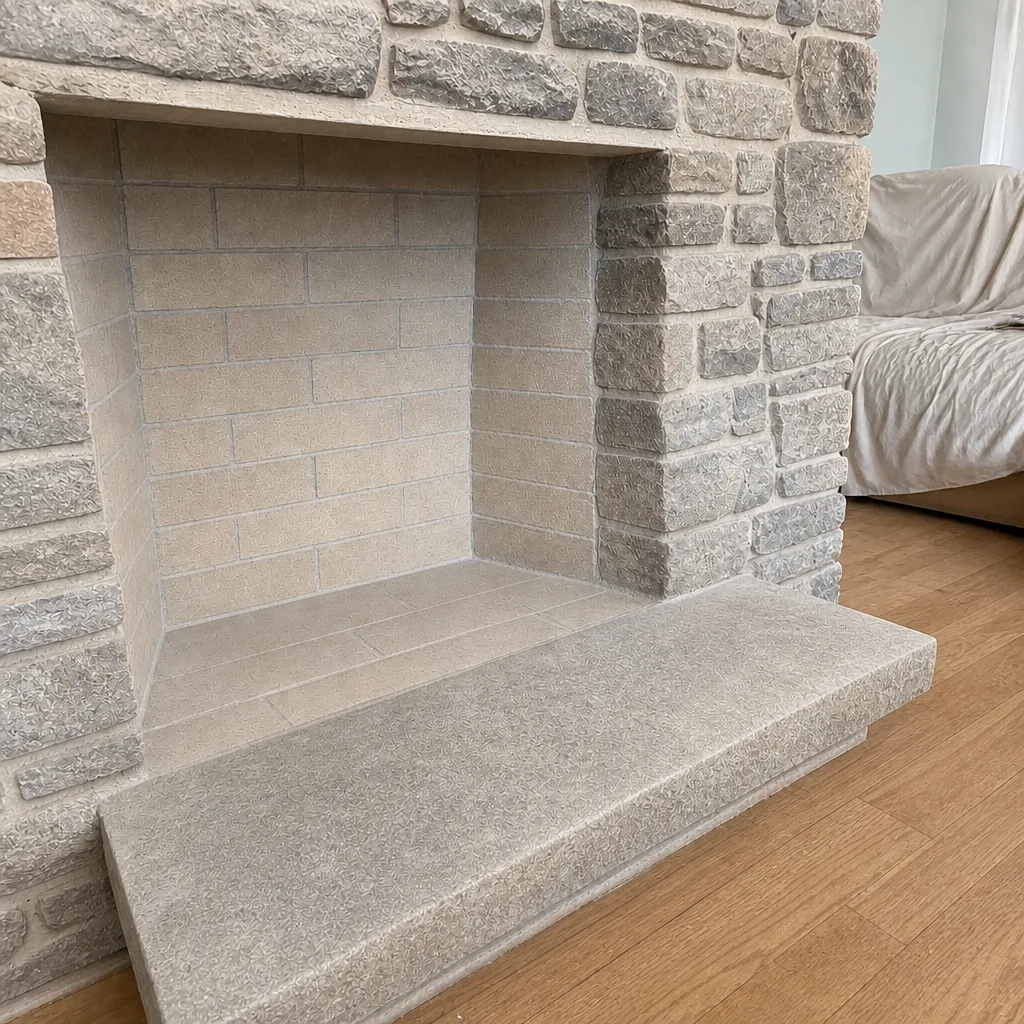 After
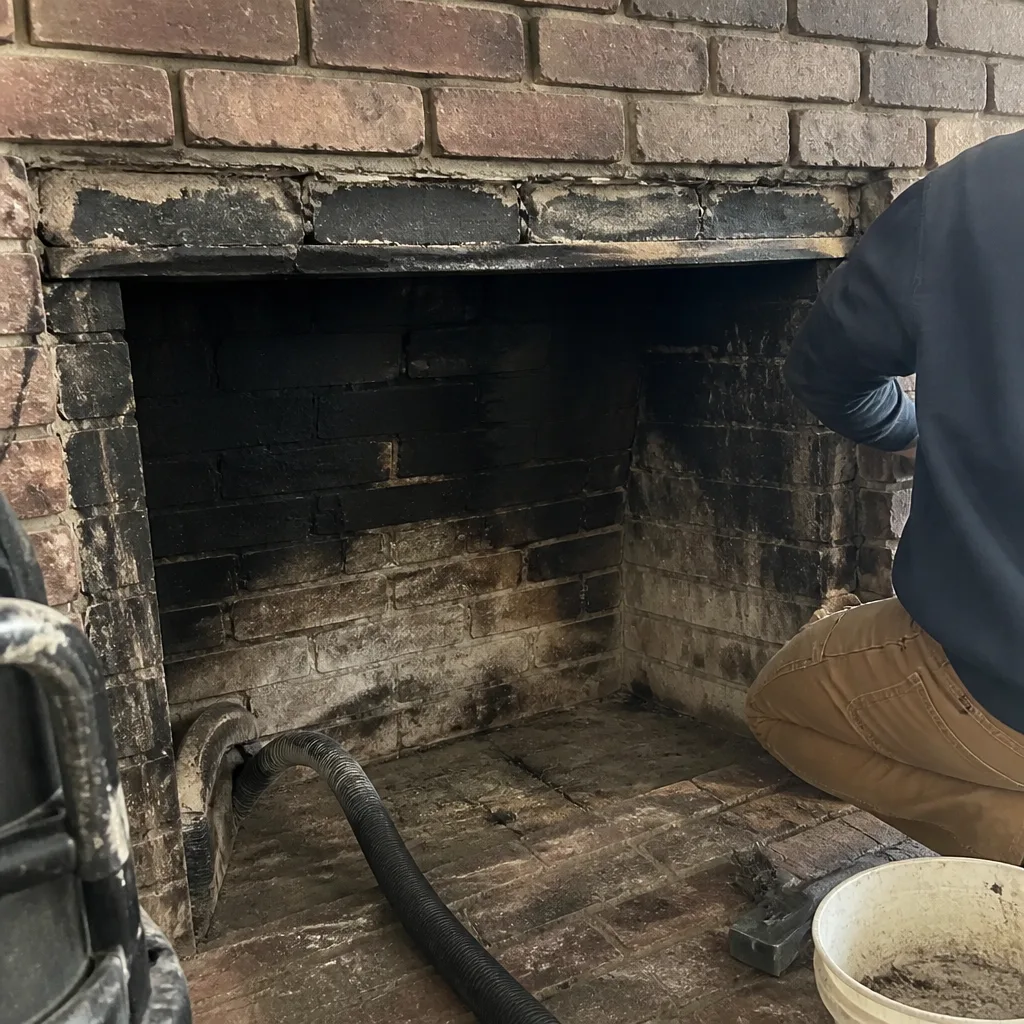 Before
 After
 Before
 After
When to Call a Professional
If you’ve been told your chimney “needs work” and you can’t tell from the quote whether the materials are trade-grade, bring in a second opinion. If you’re seeing rusty streaks on the firebox, water stains on the ceiling near the chimney, or a crown that’s visibly cracked or missing chunks, that’s a materials question as much as a repair question. If the creosote has glazed or the flue has visible cracks in the tile, don’t sweep it yourself, because the deposits can be more flammable than they look and the damage needs to be assessed by someone who can see the whole flue. Glazed creosote is the leading cause of chimney fires, and carbon monoxide from a damaged flue is a risk no one should take casually.
Chimney Sweep Tremont offers free estimates in Tremont. Call (844) 979-4331. We answer 24/7. Fast dispatch from 7am to 7pm, Sunday through Friday.
Frequently Asked Questions
The professional-grade chimney brands most experienced sweeps reach for are DuraFlex for flexible liners, HeatShield for ceramic resurfacing, Copperfield for caps and chase covers, and Gelco for related chimney components. The right brand for your chimney depends on what the inspection finds, not on a brand name alone. Call (844) 979-4331 for an exact quote based on your flue’s condition, and the estimate is free.
Ask them to name the brand, alloy, and gauge in writing on the quote. A contractor using trade-grade materials will answer those questions without hesitation, and the answers will be specific. A contractor using supply-house generics will usually answer with a category name like “stainless” and no further detail. Call (844) 979-4331 if you want a second opinion on a quote you’ve already received.
Yes, over a ten-year horizon in a freeze-thaw climate like Tremont’s. Galvanized caps cost less up front and typically need replacing within a decade, while stainless caps last much longer and keep the water and animals out the whole time. The labor cost of the replacement visit usually exceeds the material cost difference by itself. Call (844) 979-4331 for an estimate on a proper cap.
HeatShield is a ceramic resurfacing system that repairs a damaged flue from the inside when the clay tile is still structurally sound but has cracks or spalling. A full liner installs a new stainless system inside the flue and is used when the tile is too far gone for resurfacing. Only an inspection can tell you which is appropriate. Call (844) 979-4331 to schedule one, and the estimate is free.
No. Chemical treatments, liquid catalytic or dry powder, condition the deposit so a subsequent sweep can remove it. The sweep is the step that physically removes the creosote and there’s no safe shortcut around it. Glazed creosote is flammable and a damaged flue makes the risk worse. Call (844) 979-4331 for an exact quote on removing heavy deposits safely.
Tremont’s freeze-thaw cycles work on masonry the way a slow lever works on a wall, so water gets into small weaknesses and expands with each freeze. A pre-mixed crown patch usually fails within a few seasons because it’s not formulated for the cycling. A properly proportioned cast crown, rebuilt rather than patched, is the repair that lasts. Call (844) 979-4331 for a free estimate on a cast crown rebuild.
The Bottom Line
The brands on a chimney quote tell you more about a contractor than the truck, the uniform, or the price at the top of the page. Professional-grade materials from DuraFlex, HeatShield, Copperfield, and Gelco are rated for the freeze-thaw cycling and sustained heat that defines a Tremont chimney’s working life. Generic products may look similar on the quote and behave very differently two winters in. Ask for the brand, alloy, and gauge on any liner quote. Ask whether the crown will be patched or rebuilt. Ask what stage the creosote is at and whether chemical treatment is part of the plan. The answers tell you whether the materials will hold.
If you’re ready to have your chimney assessed by a specialist who works with these brands as a matter of course, Chimney Sweep Tremont handles the full system from firebox to crown, so nothing gets missed between contractors. Our technicians have up to 14 years of experience, and we’ve seen these material questions come up in every corner of Tremont. Call (844) 979-4331 for a free estimate. We answer 24/7. Fast dispatch from 7am to 7pm, Sunday through Friday. The written estimate sets the final price.
Written by the team at Chimney Sweep Tremont.