
Last updated November 25, 2026
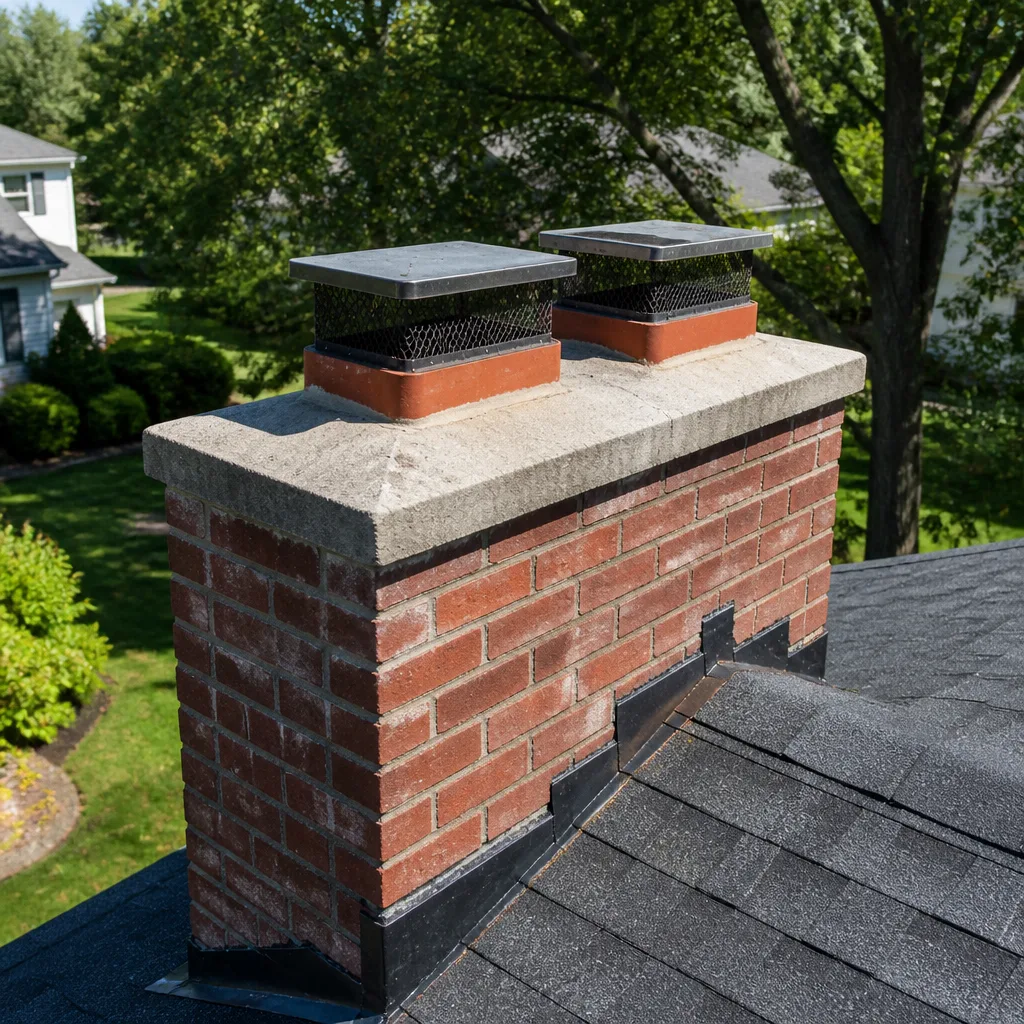 Sweep & inspection
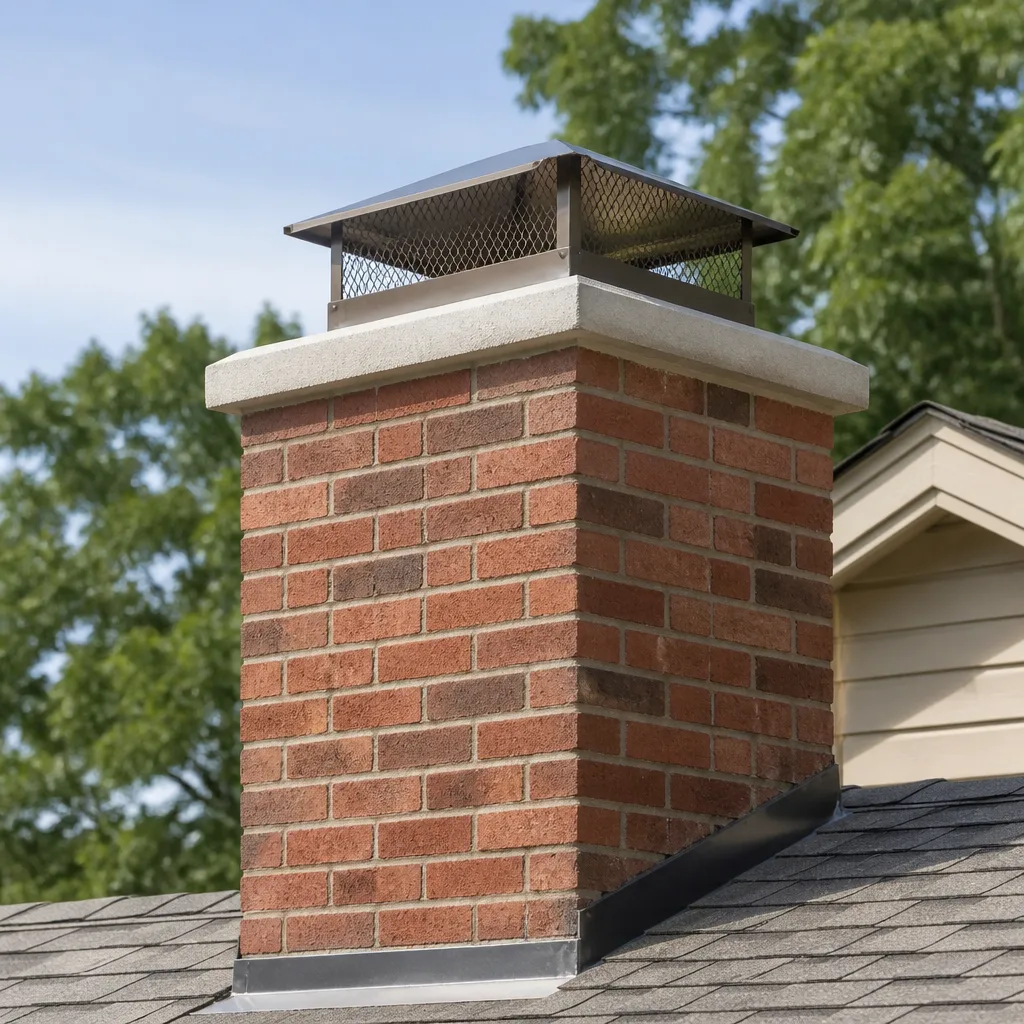 Caps & crowns
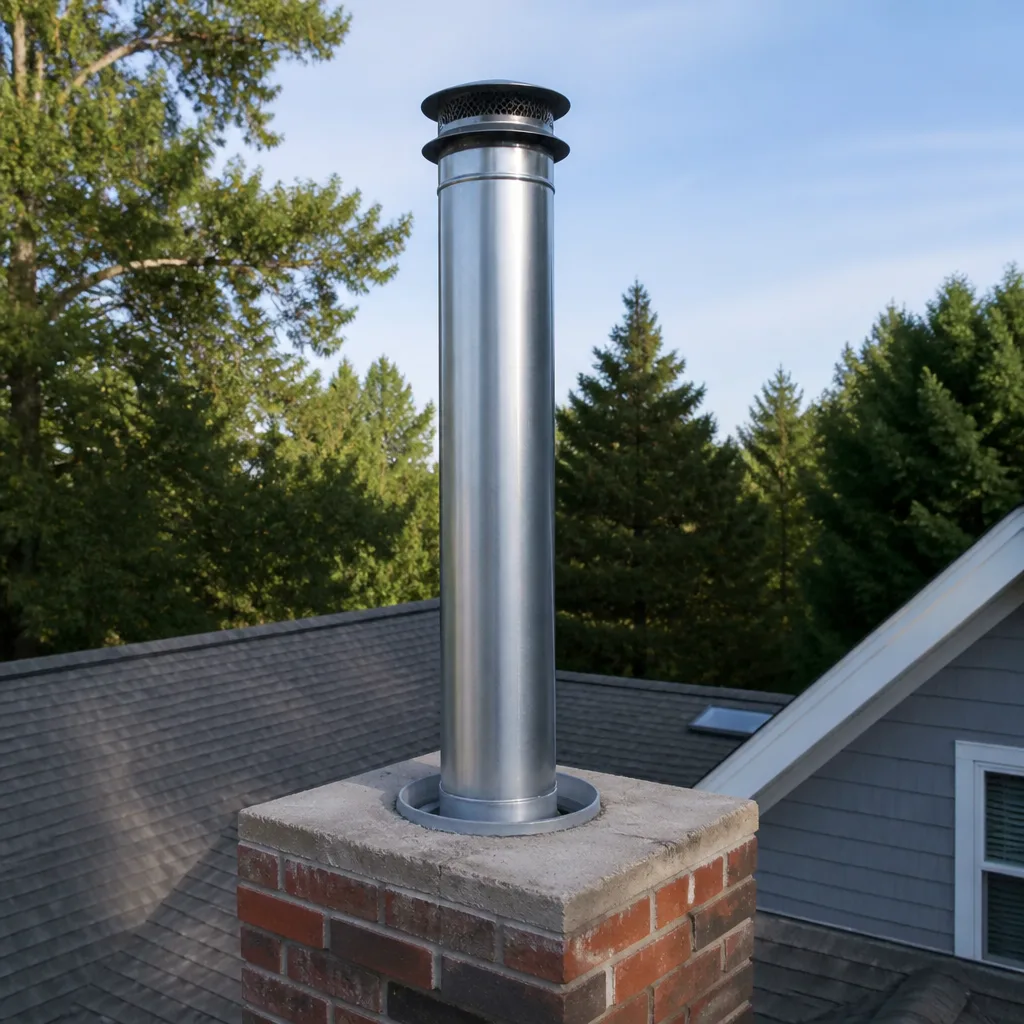 Flue relining
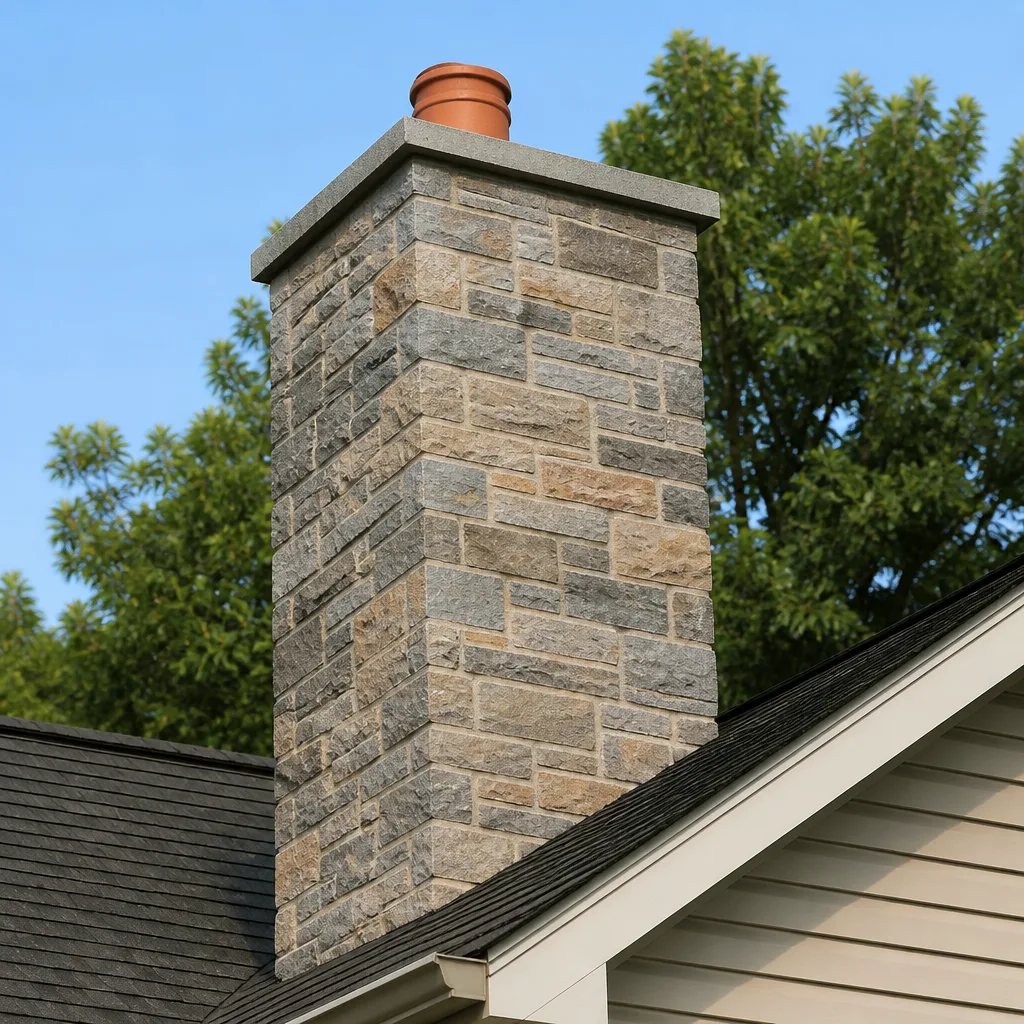 Masonry repair
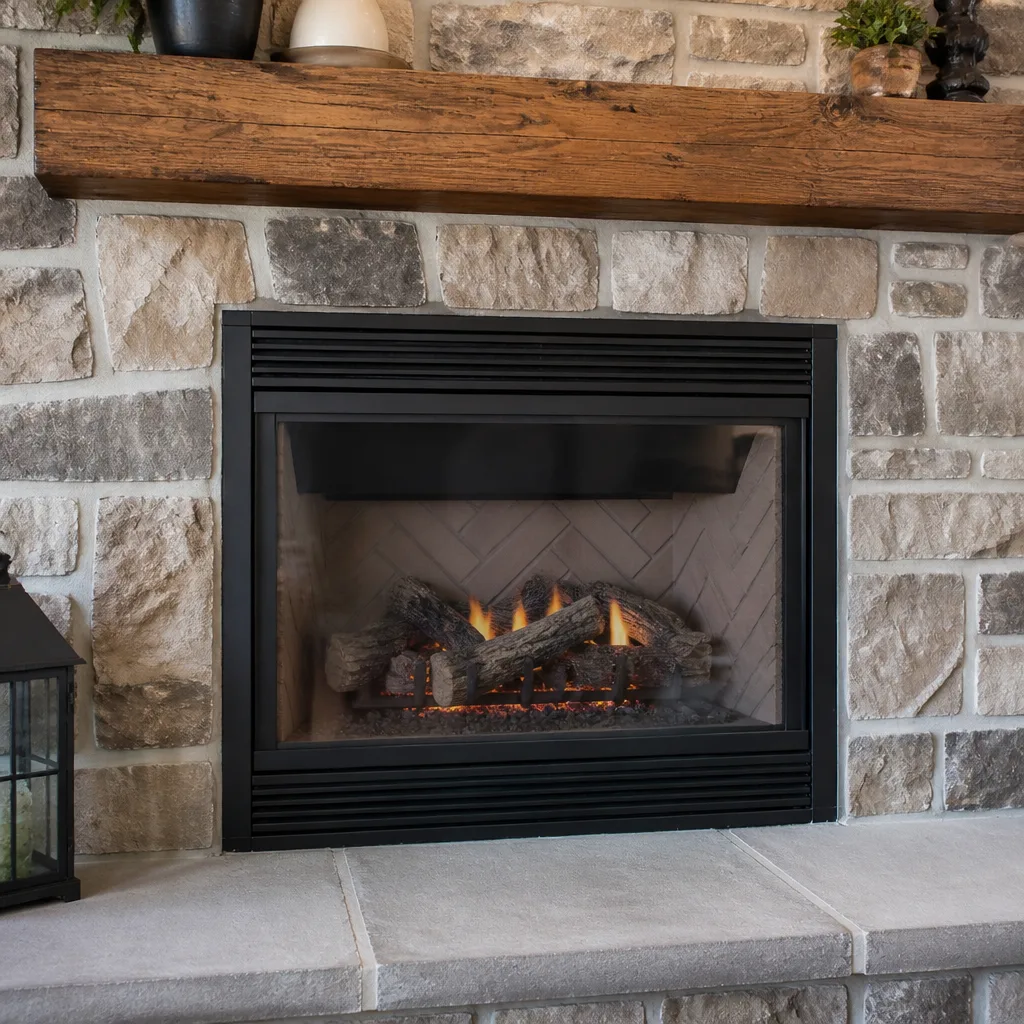 Gas fireplace service
Level 1 sweep and inspection to the NFPA 211 annual standard - flue, crown, cap, and flashing checked and photographed
Chimney sweep logs do not sweep chimneys. They loosen some creosote - which then falls where a brush and vacuum still have to collect it.
DIY vs Professional Chimney Cleaning: The Tremont Homeowner’s Decision Guide
You can buy a chimney brush on the internet for about the price of a decent dinner, and it will remove loose soot from the walls of a flue. That part is true, and it’s why the DIY question keeps coming up in Tremont. But the brush can’t tell you what’s behind the soot, and the problems that actually cause chimney fires and carbon monoxide leaks are the ones you can’t see from the top of a ladder. This guide is about the gap between cleaning a chimney and knowing whether it’s safe. We’ll cover what a homeowner can legitimately do, what genuinely requires equipment and training, and how to decide which camp you’re in. It’s written by the team at Chimney Sweep Tremont, and we’ve watched this decision play out in Tremont homes for years.
Quick Answer
A homeowner can reasonably remove light, loose soot from a short, straight, easily accessed flue in a single-story home, and can clean a gas insert according to its manufacturer’s instructions. Everything beyond that – glazed creosote, liner cracks, a smoke chamber with corbeled walls, any offset or hidden section – needs a professional with a rotary system and a camera. The DIY question isn’t really about whether you can scrub. It’s about whether you can see and assess what you’re scrubbing. In Tremont, most chimneys over a certain age have at least one condition that only shows up on camera, which is why we treat inspection as the starting point and cleaning as the follow-up, not the other way around.
Styles & brands we work with
- Sweep & inspection
- Caps & crowns
- Flue relining
- Masonry repair
- Gas fireplace service
Table of Contents
- What a DIY chimney cleaning can legitimately accomplish
- What DIY cleaning cannot assess
- The equipment reality check
- Why creosote stages decide the whole question
- Liability and the insurance angle
- A decision framework for Tremont homeowners
- Gas fireplaces, inserts, and manufacturer specs
- Timing the job in Tremont’s climate
What a DIY chimney cleaning can legitimately accomplish
A DIY cleaning can remove Stage 1 creosote – the soft, flaky, brushable kind – from a flue you can reach and see. That’s a real result, and we won’t pretend otherwise. In a single-story Tremont home with a straight flue, a cleanout at the base, and a cap you can safely get to from a stable roof or a proper ladder placement, a homeowner with the right brush size and a shop vacuum rated for fine soot can do meaningful light maintenance.
The conditions that make even that advisable matter more than the brush itself:
- The flue is straight and accessible. No offsets, no bends, no back-to-back fireplace sharing a single flue. If you can’t run a brush the full length without forcing it, stop.
- The cap comes off easily and goes back on securely. A cap that’s rusted in place or held by stripped screws is a sign to leave it alone until someone with the right tools can free it without damaging the crown.
- You have a proper brush sized to the flue. An undersized brush skips the corners; an oversized one can jam or damage tile. Square flues need square brushes, round need round.
- You’re not on a steep or wet roof. Falls are the number one way homeowners get hurt doing this, and no amount of savings justifies a climb you’re not equipped for.
- You’ve had a professional inspection at least once. A baseline report tells you what your flue is made of, whether the liner is sound, and whether there’s any condition that makes cleaning a bad idea until it’s repaired.
When those conditions line up, light maintenance is a reasonable thing to do between professional chimney sweep visits. When they don’t, the brush is the wrong tool for the problem.
What DIY cleaning cannot assess
Here’s the part that matters more than the cleaning itself. A DIY sweep can remove soot. It cannot tell you whether the liner is intact, whether the smoke chamber is deteriorating, or whether there’s a crack pattern behind the firebrick that’s letting heat into the framing. Those conditions are invisible without a camera, a mirror, or both – and they’re the exact conditions that turn a small chimney problem into a house fire or a carbon monoxide call.
What a camera inspection shows that a brush can’t:
- Liner integrity. Clay tile liners crack at the joints and along the length. A hairline crack the width of a credit card lets heat and creosote reach combustible material. From the top looking down, a cracked tile looks like a tile.
- Smoke chamber corbeling. The smoke chamber above the damper is often corbeled – stepped inward like a staircase. Those steps collect creosote in pockets a brush skips right over. HeatShield ceramic resurfacing exists specifically because the corbeled smoke chamber is one of the hardest surfaces in the whole system to clean and one of the most common places a fire starts.
- Hidden offsets. Many Tremont homes have a flue that bends around a structural element. A brush follows the bend if you push it; a camera shows you what’s on the other side of it.
- Crack patterns behind the tile. The visible firebrick can look fine while the tile behind it has spalled or separated. You need to see the joint line, not the face.
- Creosote stage and distribution. Is the glaze on the upper flue, the lower flue, or both? A camera answers that in minutes; guessing from the firebox doesn’t answer it at all.
This is why we don’t offer “just a cleaning” without an inspection. A cleaning receipt tells you nothing about what your flue can safely handle. An inspection does. It’s the document that tells you exactly where you stand, and it’s the reason our technicians trained specifically on chimney systems treat the two as a pair.
The equipment reality check
A professional rotary cleaning system is not a brush on a longer pole. It’s a motorized head on a flexible rod that spins against the flue wall, and it costs in the high hundreds to low thousands of dollars for a setup a working chimney company would actually use. It weighs enough that you’re not carrying it up a ladder casually, and operating it safely requires an understanding of flue construction, torque, and the difference between a surface that will clean and a surface that will crumble.
The consumer versions on the market don’t replicate the result. Here’s the difference in plain terms:
- Speed and power. A rotary system spins a cutting or cleaning head controlled by the operator to break up glazed creosote. A consumer drill attachment spins slowly, stalls on real glaze, and can bounce inside the flue.
- Debris control. Professional setups connect to a high-CFM vacuum with HEPA filtration that holds the dust inside the system. A shop vac captures some soot and pushes the rest into the room, which is a health and cleanup problem in equal measure.
- Reach and control. The rods are flexible but stiff enough to control direction around a bend. Consumer kits are short and rigid, which means you clean the part you can reach and stop.
- Inspection integration. A rotary cleaning leaves a surface a camera can read. That’s the point – you’re not just removing soot, you’re setting up the assessment that decides what happens next.
We work with the brands the chimney industry trusts – DuraFlex liner systems, HeatShield ceramic resurfacing, Gelco, and Olympia Chimney – because the materials and the equipment matter as much as the labor. A homeowner buying a brush is buying a cleaning. A homeowner calling a specialist is buying a cleaning plus the assessment that tells them what their flue can carry into next winter.
Why creosote stages decide the whole question
Creosote is the residue of incomplete combustion, and it comes in three forms that behave very differently. Understanding them is the fastest way to know which side of the DIY line you’re on.
- Stage 1 – soot and flaky creosote. Soft, dry, and brushable. This is what a homeowner can legitimately remove from an accessible flue. It’s also the least dangerous form.
- Stage 2 – glazed creosote. Hard, shiny, and bonded to the flue wall like a shell. A standard brush skates across it. A rotary system breaks it up. You will not know you have this until you’ve had a fire that produced it, which means you can’t diagnose it from the firebox on a Saturday afternoon.
- Stage 3 – puffy, tar-like creosote. Highly flammable, often found in the smoke chamber and flue of a chimney that’s been run hard and cleaned rarely. It ignites at lower temperatures than Stage 1 or 2, and it’s a direct chimney fire risk until it’s removed.
In Tremont, creosote behaves differently depending on how the chimney is used and how the house is built. A wood-burning fireplace in an older house with a slightly underdrawn flue can build Stage 2 glaze faster than a well-drafted modern insert next door, because a cold or slow fire produces more of it. That’s not a reason to panic – it’s a reason to inspect on a rhythm instead of waiting for a smell, a sound, or a problem that announces itself. Gas heat and electric heat in the same house don’t change it; a fireplace is a fireplace.
Liability and the insurance angle
Homeowner’s policies generally have language about maintenance and documentation. Many require that a wood-burning appliance be inspected and maintained by a qualified professional, and in the event of a fire claim, insurers routinely ask for a record of the work. A DIY cleaning produces a broom, a vacuum, and a memory. It does not produce a written report, a date, a photo record, or a professional’s signature on the condition of the flue.
We’re not telling you your policy depends on us specifically – we’re not your insurer and we can’t speak for your carrier. We are telling you what we see: when a claim follows a chimney fire, the paperwork does the talking, and an empty folder is a hard place to start. A professional inspection with a written report and photos gives you something to hand to anyone who asks. A cleaning receipt alone doesn’t, which is why our inspections are written documents first and cleanup jobs second.
There’s a second liability that doesn’t show up in a policy at all. If you clean your own chimney and a later fire traces to a condition you couldn’t have seen, you don’t get the benefit of a second assessment. The problem was there, invisible, and pointing to a professional isn’t about blame – it’s about having a trained eye look at the parts of your chimney that don’t show up from the outside.
A decision framework for Tremont homeowners
Here’s the framework we’d use if a neighbor asked us across the fence. Walk these conditions honestly, and if any one of them fails, the job belongs with a professional.
- Is the flue straight, single, and accessible? Single-story, no offsets, cleanout at the bottom, cap reachable without a risky climb. If yes, you may be able to handle light cleaning between professional visits.
- Is it a wood-burning appliance you can read the condition of? If you’ve never had an inspection, you can’t read it. Get one first, then decide.
- Do you know what stage of creosote is present? If you don’t know, or you know it’s Stage 2 or 3, that’s a rotary job and a professional call.
- Are there offsets, a corbeled smoke chamber, or a shared flue? All three are beyond the reach of a homeowner brush. HeatShield resurfacing or a DuraFlex liner may be the right fix, and both need a specialist to assess and install.
- Has anything changed? A new stain on the ceiling, a draft that didn’t used to be there, a smell in summer, a chimney that smokes when it didn’t before. Any change is a signal to have a chimney repair professional look at the system before you run another fire.
- Is this a gas insert? Then manufacturer instructions govern, and the DIY line may be different. More on that below.
If every answer lands on the safe side, light maintenance between professional visits is a reasonable choice – and we’d tell you so honestly, because we’d rather you know your flue than sell you a sweep you don’t need. If any answer is uncertain, that’s the point where a free estimate and a camera inspection settle the question in under an hour.
Gas fireplaces, inserts, and manufacturer specs
A gas fireplace doesn’t build creosote, so the DIY question shifts entirely. Gas units need cleaning of the burners, the logs, the pilot assembly, and the heat exchanger, and the instructions for that vary by make and model. Some manufacturers permit homeowner cleaning of specific components; some explicitly require a qualified technician for anything inside the firebox.
What a gas unit still needs, and what a homeowner can’t skip:
- An annual inspection for the venting, the glass, and any signs of spillage – even if the fireplace itself rarely runs.
- A carbon monoxide check on the whole system, because a gas unit with a blocked or damaged vent is a CO risk that produces no visible smoke at all.
- Venting condition assessment – a gas unit’s liner or B-vent is often the part homeowners never look at.
For wood-burning inserts, the picture is closer to a standard flue – unless the insert has its own short dedicated liner, in which case it may be cleanable by a homeowner who can reach it. It still needs an inspection, and the chimney cap & crown above it still needs to be sound, since the cap is what keeps water, animals, and debris out of the very liner you’re cleaning.
In our experience with Tremont gas and wood inserts, the most common problem is a homeowner who’s cleaned the firebox faithfully every year but never had the venting inspected once. That gap is exactly what a chimney-only specialist is trained to look for.
Timing the job in Tremont’s climate
Tremont’s winters are long enough that fires run for six or seven months of the year, which means creosote builds steadily and the shoulder seasons are the natural time to look at it. The job to book is the one that happens before the first sustained cold snap, not after the first smoky fire, because a cold house usually produces more off-season creosote than a properly running one.
Here’s the rhythm that works in a climate like this:
- Late summer through early fall: the ideal window for an inspection and sweep, before the burning season, while roofs are safe and schedules are manageable.
- Midwinter: if anything changes – a smell, a draft, a soot stain – stop burning and get it looked at. Don’t wait for spring.
- Spring: a good time to catch damage from a heavy season and to plan repairs like cap replacement, crown repair, or a DuraFlex reline before summer.
We answer 24/7. Fast dispatch from 7am to 7pm, Sunday through Friday, and we’re closed Saturdays. When someone calls on a Saturday, they get booked into the next opening. The urgency outside that window isn’t hourly – it’s seasonal. The time to know the state of your chimney is before you light the first fire that tests it, and a Tremont homeowner who books in September is a much easier conversation than a Tremont homeowner who books after a chimney fire.
Common Mistakes to Avoid
- Buying a brush before you’ve had an inspection. The brush can clean a straight flue, but only an inspection tells you whether that’s the right job. Get the report first, then decide what to do between visits.
- Cleaning the flue and calling it a day while skipping the smoke chamber. The corbeled smoke chamber above the damper collects creosote in the exact pockets a brush can’t reach, and it’s one of the most common places a fire starts. If you never look at it, you haven’t cleaned your chimney.
- Forcing a brush past an offset. Pushing a rigid brush around a bend can crack tile. If the brush won’t follow the flue naturally, the flue needs a rotary head and a trained hand, not more force.
- Running a fire to check the work. A test fire after a DIY clean, before you know what stage of creosote is on the walls, is the exact ignition scenario the inspection is meant to prevent.
- Using a shop vac without HEPA filtration. Soot is fine, it goes everywhere, and it’s a respiratory irritant. The cleanup often takes longer than the cleaning, and a professional vacuum setup keeps it contained.
- Removing a cap and not reseating it correctly. A loose cap lets in rain and animals and can blow off in wind. The cap is a structural part of your chimney, not an accessory.
- Skipping the record. Even a good DIY job leaves you with no written documentation. If you ever need to show an insurer what condition the flue was in, you’ll wish you had one.
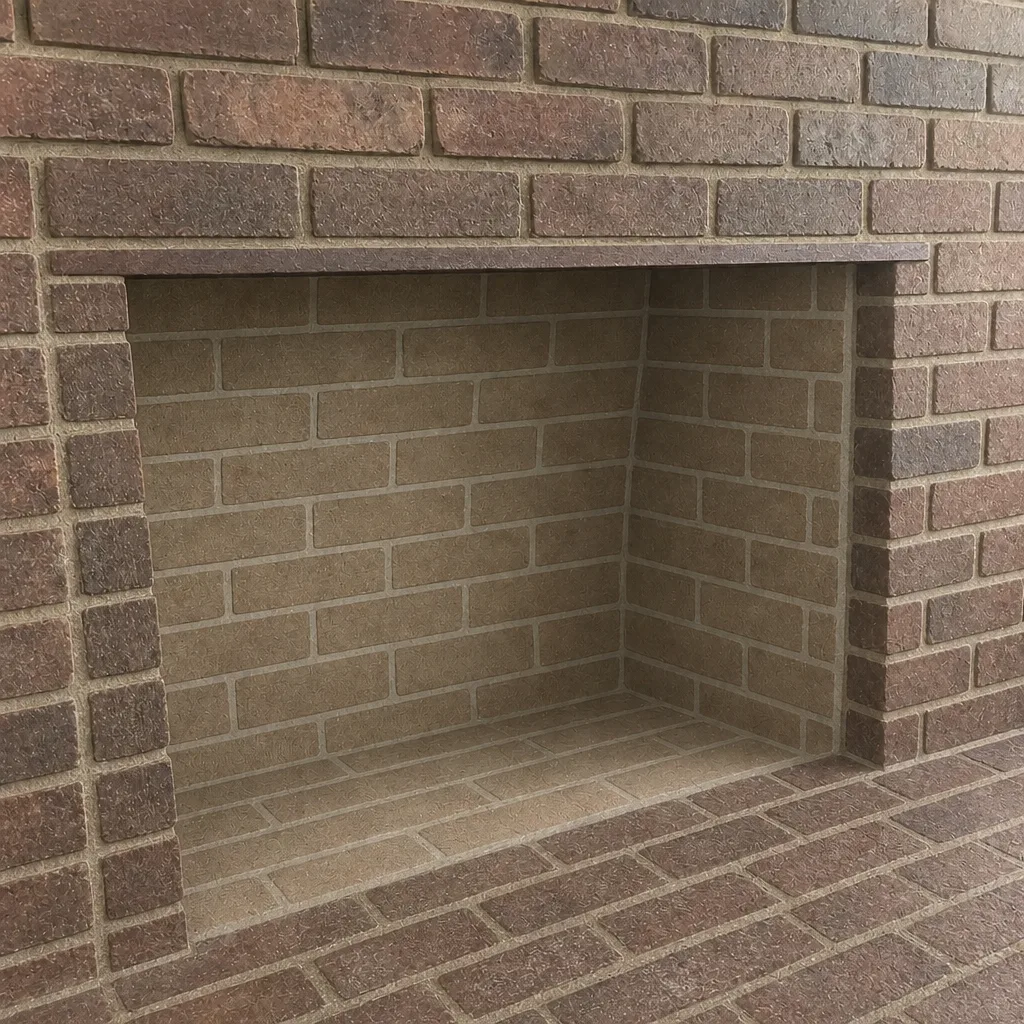
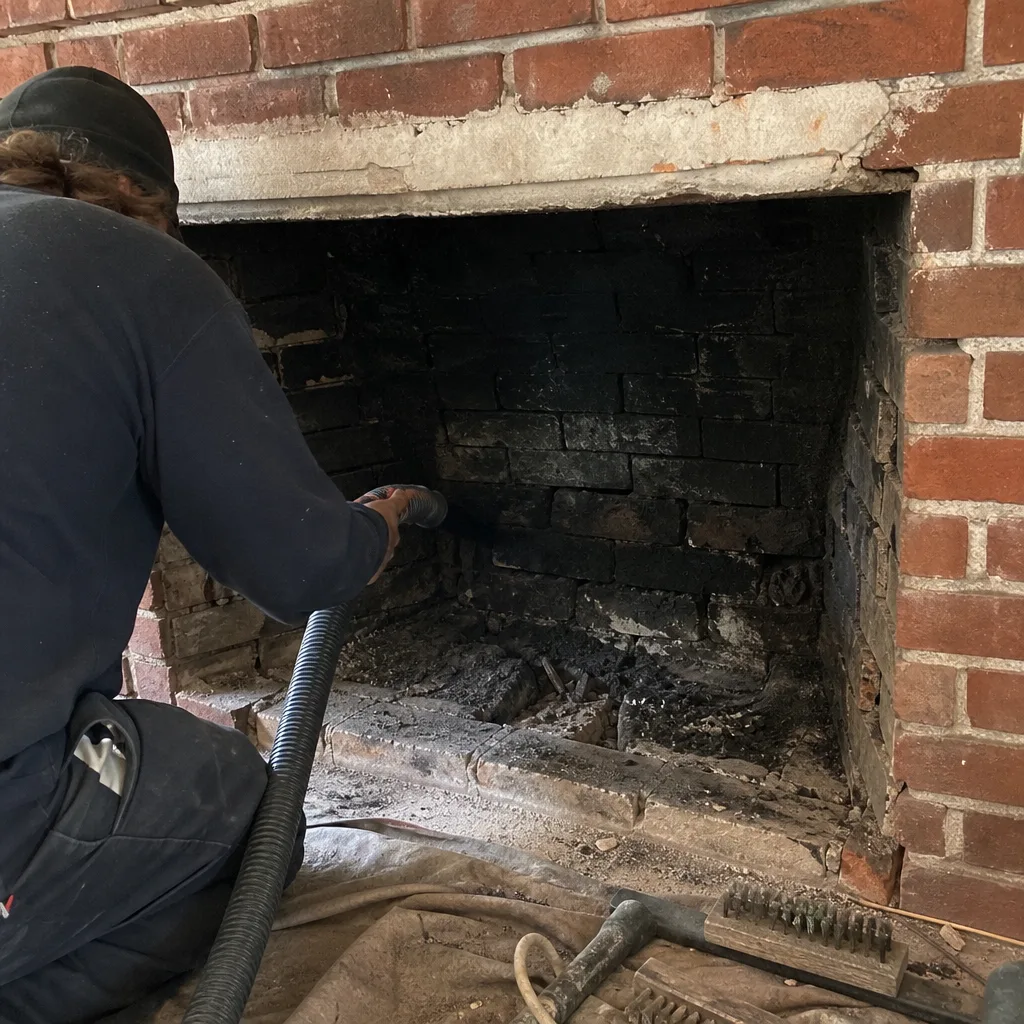
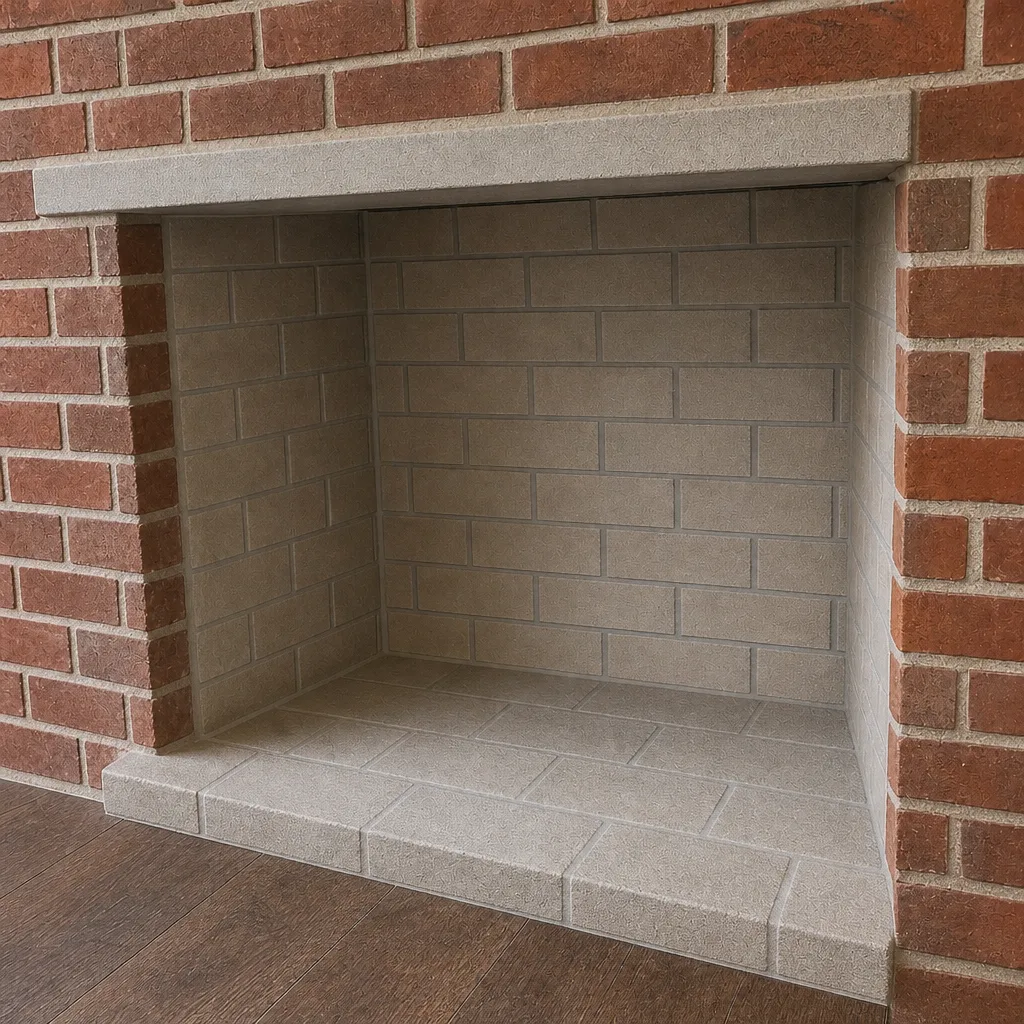
See the difference
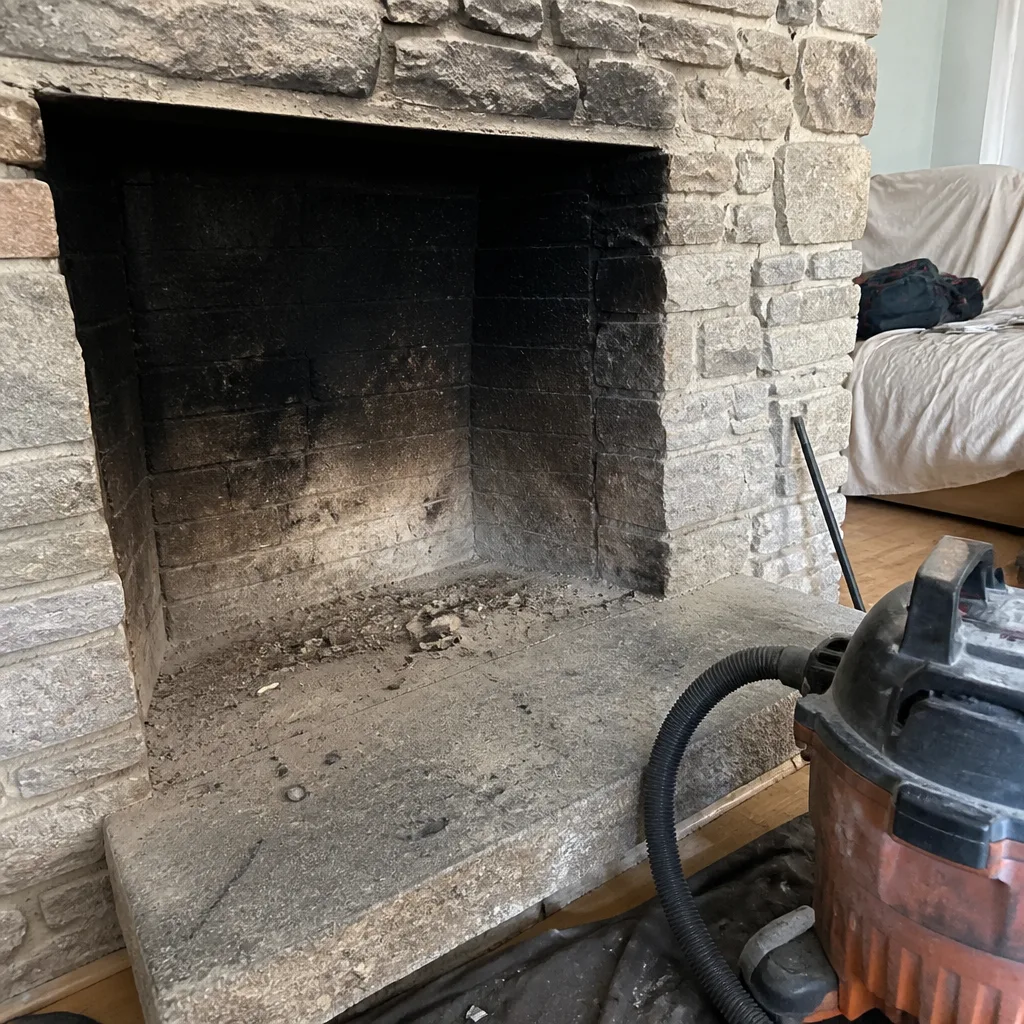 Before
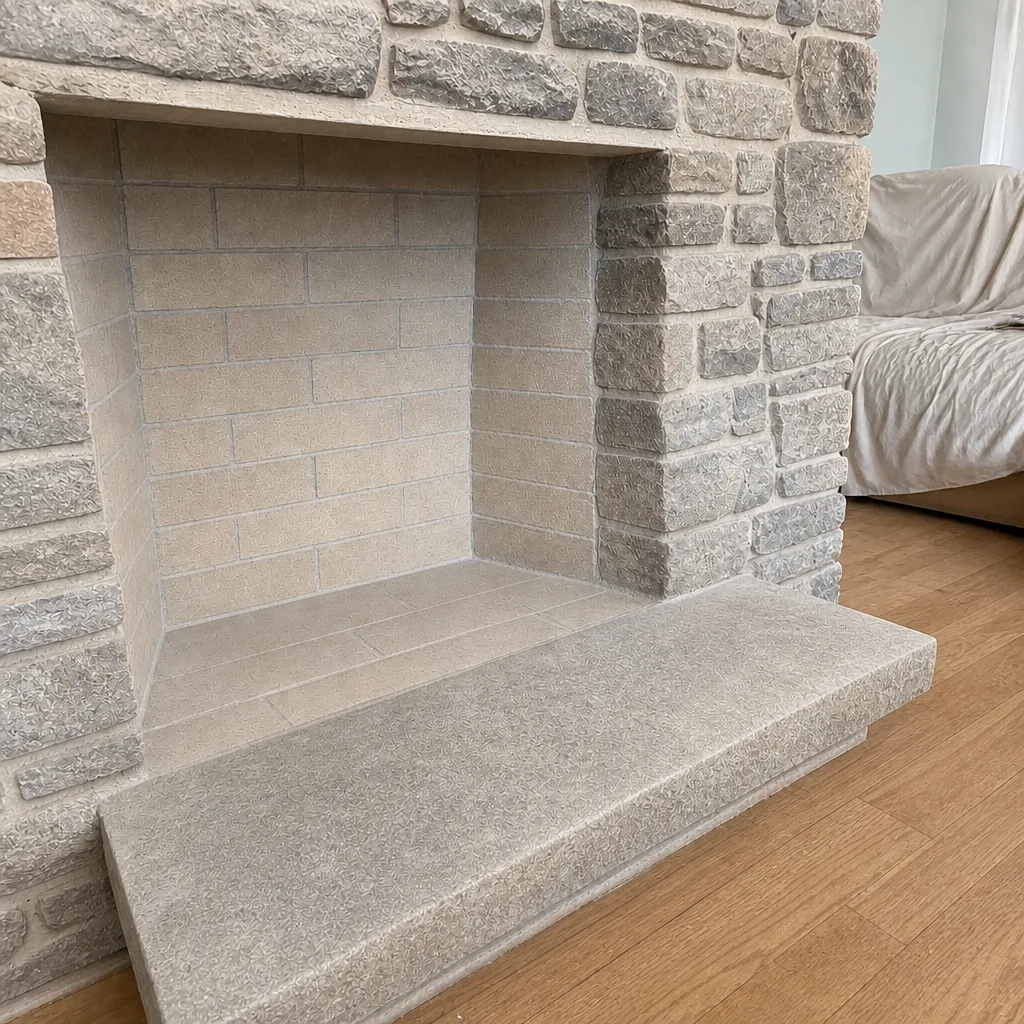 After
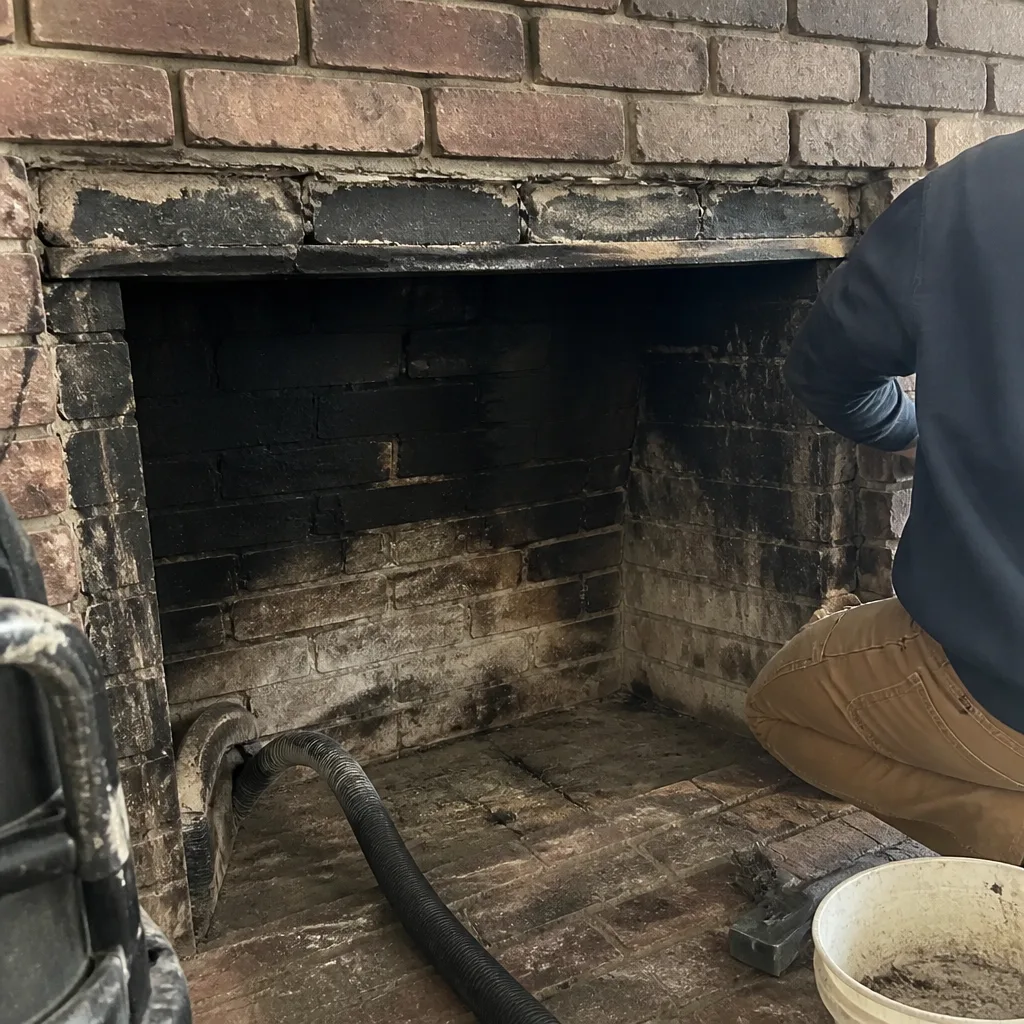 Before
 After
 Before
 After
When to Call a Professional
Call a professional when the flue is not straight or accessible, when you don’t know the creosote stage, when you’ve had no inspection in living memory, when anything has changed about how your fireplace behaves, when the cap is damaged or the crown is cracked, when the chimney is on a steep or wet roof, or when your insurer or a home sale is asking for a documented inspection. Call a professional first if you’re seeing a soot stain, a strong odor in summer, or a draft you can’t explain. Any of those is a signal that the assessment matters more than the cleaning. In all of those cases, the professional isn’t replacing your judgment – they’re giving your judgment something to work with. Chimney Sweep Tremont offers free estimates in Tremont. Call (844) 979-4331.
Frequently Asked Questions
Yes, in the narrow case of a straight, accessible flue in a single-story home with Stage 1 creosote and a cap you can safely reach. But a homeowner can’t assess liner integrity, smoke chamber condition, or hidden offsets without a camera, so the cleaning is the easy part and the assessment is the part that matters. Call (844) 979-4331 for an exact quote on a professional inspection – estimates are free.
Pricing is per job by written estimate, and the written estimate is what sets the final price. The cost depends on the number of flues, the flue type, the creosote stage, and whether an inspection or repair like a HeatShield resurfacing is part of the scope. We don’t quote a flat number over the phone because the honest answer requires eyes on the chimney. Call (844) 979-4331 for an exact quote – estimates are free.
Yes, because an inspection tells you what the cleaning didn’t – whether the liner is intact, whether the smoke chamber is sound, and whether the connection between the two can handle another season of fire. A cleaning removes what you can see. An inspection reads what you can’t. If you’re going to clean on your own, pair it with a professional Chimney Sweep Tremont inspection at least once to set the baseline. Call (844) 979-4331 – estimates are free.
For a wood-burning fireplace in regular use, the working rhythm in a climate like Tremont’s is an inspection once a year and a sweep when the inspection says it’s due, which for most heavy users works out to roughly annual. A lightly used fireplace may stretch a little further, but the annual look is what tells you. Call (844) 979-4331 for an exact quote and we’ll tell you where you stand.
Creosote builds in stages, and the later stages ignite at lower temperatures than the earlier ones, so skipping cleaning doesn’t just mean a dirtier flue – it means the material in the flue becomes fuel. A blocked or damaged flue can also spill carbon monoxide into the house instead of venting it, which is a risk with no smoke to warn you. That’s the honest reason to keep it on a schedule. Call (844) 979-4331 for an exact quote.
Sometimes, depending on the manufacturer’s instructions for your specific model. Many gas units permit homeowner cleaning of the burners, logs, and glass, but they still require a qualified technician for internal components and a carbon monoxide check on the venting. The instructions that came with your unit are the governing document. Call (844) 979-4331 for a free estimate if you’d rather have it looked at once.
We work with DuraFlex for flexible liner systems, HeatShield for ceramic flue resurfacing, Gelco and Olympia Chimney for the hardware and components of the system. It matters because the material you put inside a flue is the thing that has to last, and a specialist working with recognized industry brands is a different offer from a generalist sourcing whatever’s cheapest. Call (844) 979-4331 to talk through your chimney’s condition.
The Bottom Line
The DIY vs professional chimney cleaning question in Tremont comes down to sight. A brush can remove what you can reach and see. It can’t tell you whether the liner is sound, whether the smoke chamber is collecting creosote where a fire will find it, or whether a crack behind the firebrick is letting heat into the framing. If your chimney meets all the conditions – straight flue, single-story access, Stage 1 creosote, and a professional baseline inspection – light maintenance between professional visits is a reasonable choice, and we’ll tell you it is. If any condition is uncertain, the professional call isn’t about skill. It’s about the camera, the report, and the record that answers the question honestly. One company handles your entire chimney system, from firebox to crown, and the assessment comes first.
Call (844) 979-4331 for a free estimate. We answer 24/7. Fast dispatch from 7am to 7pm, Sunday through Friday. We’re closed Saturdays.
Written by the team at Chimney Sweep Tremont.