
Last updated November 25, 2026
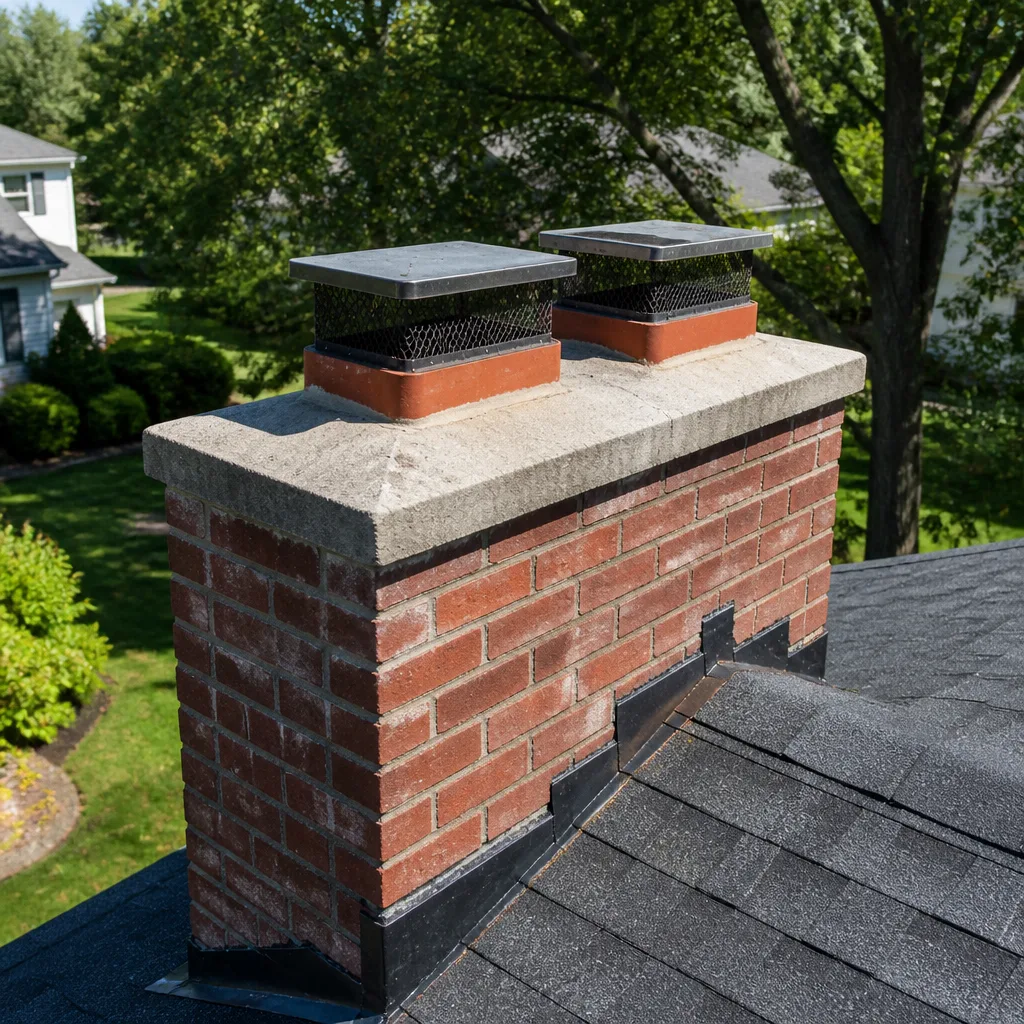 Sweep & inspection
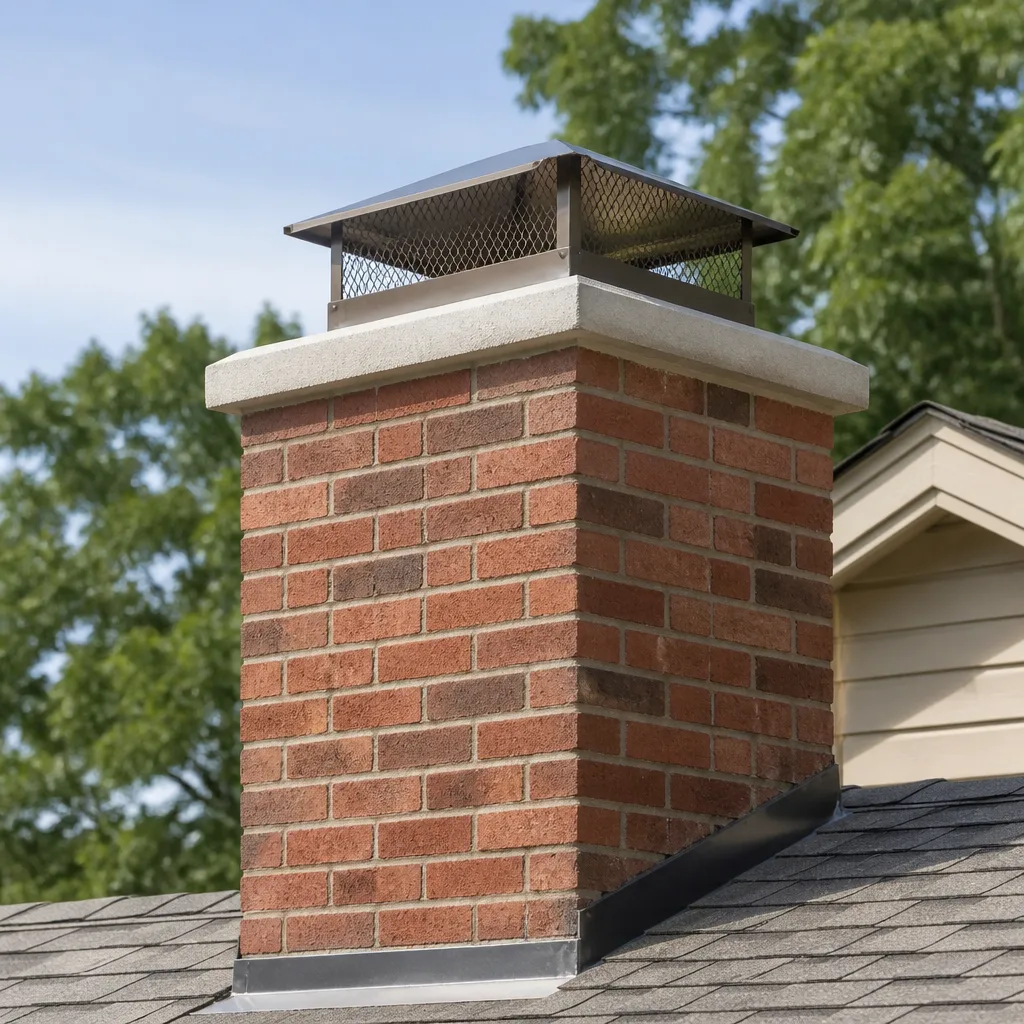 Caps & crowns
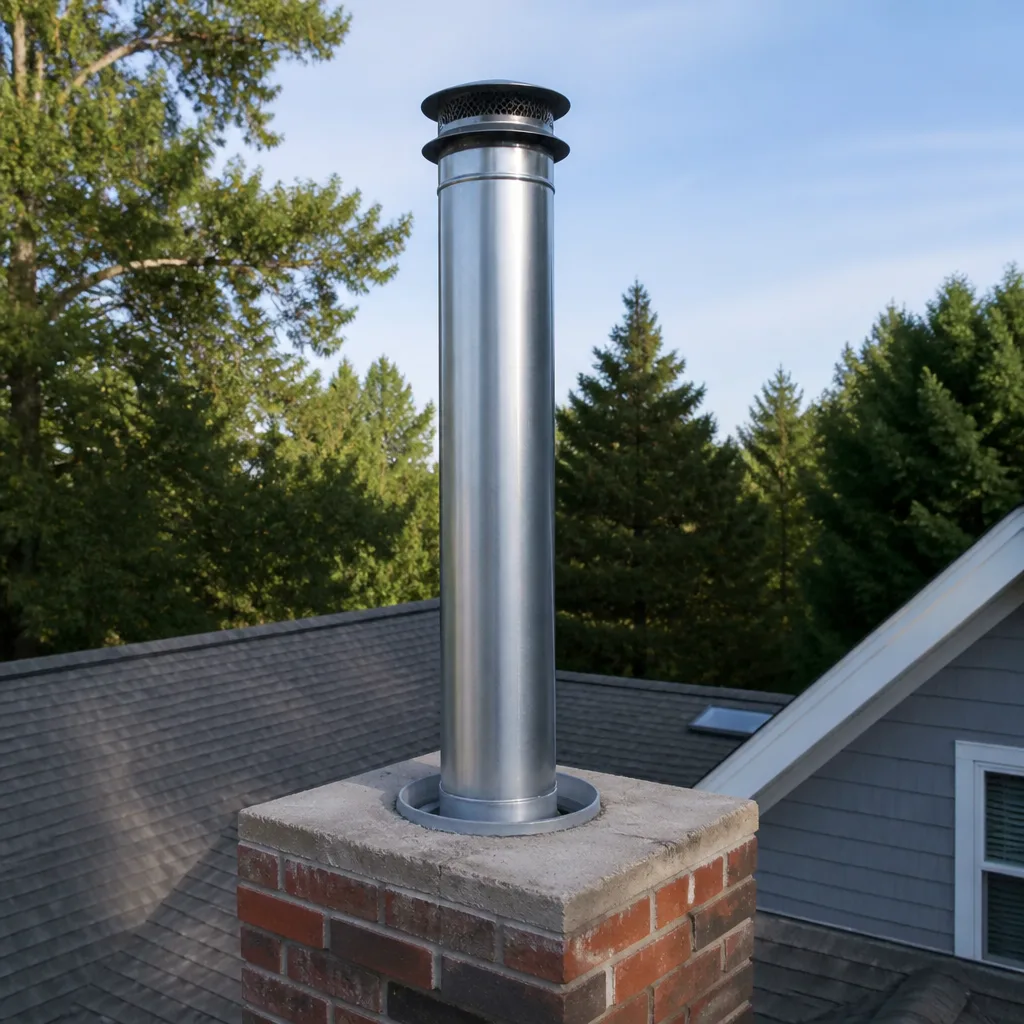 Flue relining
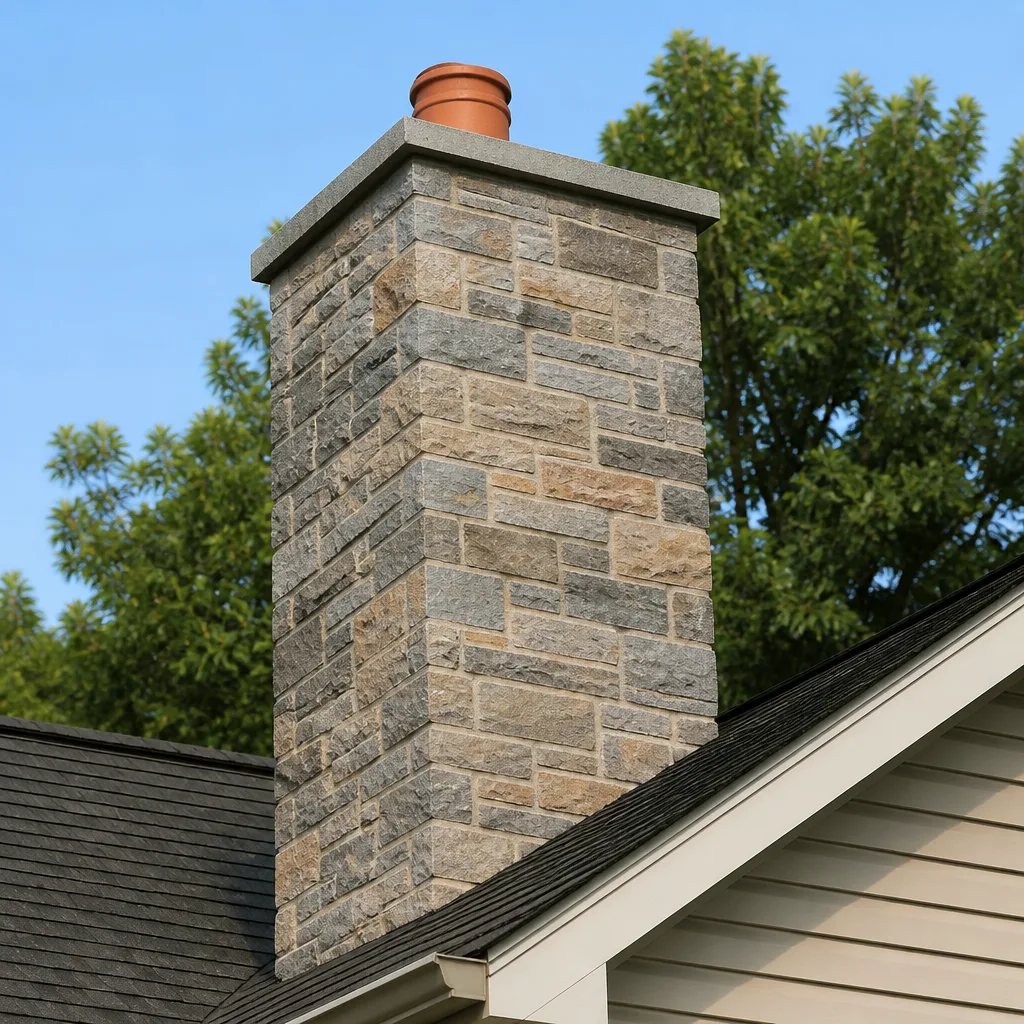 Masonry repair
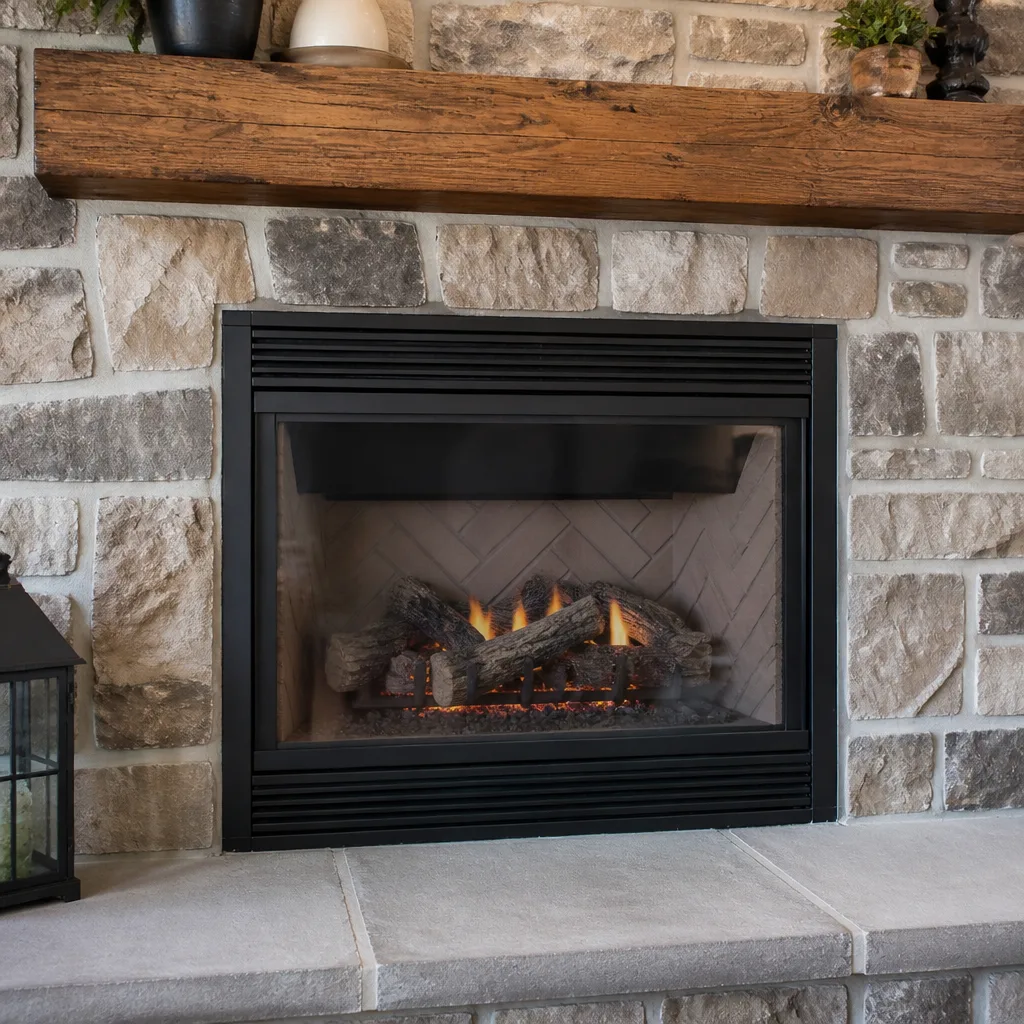 Gas fireplace service
Level 1 sweep and inspection to the NFPA 211 annual standard - flue, crown, cap, and flashing checked and photographed
Chimney sweep logs do not sweep chimneys. They loosen some creosote - which then falls where a brush and vacuum still have to collect it.
Seasonal Chimney Cleaning Care for Tremont: Year-Round Homeowner’s Guide
The worst time to discover your chimney needs a liner repair is the first cold weekend in October, but that’s exactly when most Tremont homeowners think about it for the first time all year. Chimney care gets treated like a fall chore, something to squeeze in before the first fire. That framing is backwards. A chimney is a year-round system that responds to each season differently, and the homeowners who stay ahead of problems are the ones who work with that rhythm instead of against it. In this guide we’ll walk through what each season in Tremont actually does to your chimney, when to schedule work, what to watch for mid-winter, and how to catch damage in late spring before summer makes it worse.
Quick Answer
In Tremont, the best time to schedule a chimney sweep is late summer, ideally August through September, because it leaves room to complete any needed repairs before heating season starts. A post-season inspection in April and May catches crown and masonry damage from winter freeze-thaw cycles while it’s still small. Mid-winter, watch for smoke backdraft, odor changes, and a soot shelf at the firebox opening, and call right away if any of those appear rather than waiting for spring.
Styles & brands we work with
- Sweep & inspection
- Caps & crowns
- Flue relining
- Masonry repair
- Gas fireplace service
Table of Contents
- Why Chimney Care Follows a Seasonal Rhythm in Tremont
- Late Summer (August – September): The Optimal Window for a Sweep
- Mid-Winter Monitoring: Signs During Active Use
- Post-Season Spring Inspection (April – May): The Highest-Yield Window
- Summer Cap and Chase Cover Check: Why Non-Use Months Matter
- How Fuel Type Changes Your Cleaning Schedule
- What a Proper Sweep and Inspection Includes
- Common Mistakes to Avoid
- When to Call a Professional
- Frequently Asked Questions
Why Chimney Care Follows a Seasonal Rhythm in Tremont
A chimney isn’t a static piece of masonry. It’s a working system of flue tiles, mortar joints, a crown, a cap, and a firebox, and every one of those components expands, contracts, absorbs moisture, and dries out at different rates through the year. Tremont’s climate gives that system a real workout: humid summers that push moisture into masonry, hard freezes in winter that trap it as ice, and repeated freeze-thaw cycles in early spring that widen the smallest cracks. A chimney that looks fine in July can be quietly taking on water all summer.
Most homeowners in Tremont only think about the chimney when they light the first fire. That puts them on a reactive cycle: they notice a problem in October, schedule a sweep, learn there’s a repair to do, and then discover every other homeowner in the neighborhood is trying to book the same work at the same time. The result is either a rushed job or a heating season spent with an unresolved problem.
The seasonal approach flips that. You spread the work across the year in the order the climate actually demands:
- Late summer: sweep and full inspection, with time to schedule repairs before heating season
- Mid-winter: active-use monitoring for backdraft, odor, and soot buildup
- Early spring: post-season inspection to catch freeze-thaw damage
- Summer: cap, crown, and chase cover checks before the rainy season does its work
If you’d rather start with the basics, our chimney sweep page covers what a routine visit involves. The rest of this guide explains the timing that makes each visit count.
Late Summer (August – September): The Optimal Window for a Sweep
August and September are the best months to schedule a chimney sweep in Tremont, for three practical reasons: scheduling availability is wider than in October, there’s time to complete any needed repairs before the first fire, and a sweep done in late summer gives you a full season of information about your flue before it goes back into service.
Here’s why the scheduling piece matters so much. Every sweep in the region is trying to fit the same September-to-November window. When a technician finds a cracked flue tile in late October, the repair has to be squeezed into an already-tight calendar, and the homeowner ends up either postponing the fix or burning through a season on an unsafe flue. A sweep in August gives you weeks, not days, to schedule repair work.
Late summer also gives you time to think about what you actually want done. If the sweep turns up an issue with the flue lining, we can talk through options without pressure. A ceramic resurfacing job using HeatShield can extend the life of a flue that doesn’t yet need a full reline, while a more damaged flue may call for a DuraFlex flexible liner. Having that conversation in August is very different from having it on a cold Friday afternoon in October.
What to have ready before a late summer sweep:
- Clear the firebox of ash and any leftover wood from last season
- Move furniture and rugs away from the hearth so the technician has room
- Note any issues you noticed last winter: smoke smell, backdraft, slow draft, or visible soot stains
- Confirm whether you have a wood-burning fireplace, a gas insert, or a connected oil furnace flue, since each requires different handling
Book that sweep in late summer and you’ll spend the fall focused on firewood, not on scrambling for an appointment.
Mid-Winter Monitoring: Signs During Active Use
Most chimney problems you’ll notice during heating season are observable from the room. You don’t need to be on the roof or looking down a flue to catch the early warning signs. You do need to know which signs mean “call today” and which mean “note it for spring.”
Smoke backdraft
If smoke rolls back into the room when you light a fire, that’s an active problem, not a quirk of the weather. Backdraft during an active fire usually points to a blocked or restricted flue, and it can push combustion gases into your living space. Call for an inspection before you light the next fire. Carbon monoxide is colorless and odorless, so a draft problem isn’t something to test-fire your way through.
Odor changes
A normal chimney has a predictable smell, mostly creosote and cold ash. If you notice a sharper odor, a stronger creosote smell than usual, or a smell that creeps into the room even when the fireplace isn’t in use, that’s a note-for-spring situation in most cases. It can mean creosote is accumulating more quickly than expected, or that a cap or damper isn’t sealing as it should. If the odor is strong and accompanied by smoke or draft changes, treat it as urgent.
Visible soot shelf at the firebox opening
A thin gray film inside the firebox is normal. A noticeable shelf of black soot building up just above the firebox opening is not. It usually tells you the draft is pulling weakly and combustion byproducts are settling where they shouldn’t. This is worth calling about because it can indicate a restriction further up the flue. At minimum it warrants a sweep earlier than planned.
Split the middle of winter into two reactions:
- Call right away: smoke entering the room, carbon monoxide alarm sounding, soot streaks appearing on the chimney exterior, or a strong chemical smell near the flue
- Note for spring unless it worsens: mild odor changes, a thin soot film, occasional slow starts on damp days
Anything that involves smoke in the room or a carbon monoxide alarm should be treated as a safety situation. Stop using the fireplace and call. We answer 24/7. Fast dispatch from 7am to 7pm, Sunday through Friday.
Post-Season Spring Inspection (April – May): The Highest-Yield Window
April and May are the highest-yield months for an inspection in Tremont because that’s when winter freeze-thaw damage becomes visible. Water that entered masonry in fall freezes, expands, and pushes mortar joints apart. When it thaws in spring, the crack it opened stays open. An inspection in April or May catches those cracks while they’re still hairline and repairable with a straightforward repair rather than a rebuild.
The specific damage spring inspection targets:
- Crown cracks: the concrete or mortar cap on top of the chimney, which takes the brunt of freeze-thaw cycling. A cracked crown lets water straight into the flue.
- Spalling brick: brick faces that have flaked or popped off after absorbing water and freezing. Small spalls are a repointing job; large ones can threaten the structural integrity of the chimney.
- Deteriorated mortar joints: the joints between bricks erode first, and they’re the easiest to repair when the damage is caught early.
- Flue tile cracks: visible from inside with a camera inspection, and the single most important thing to know before next heating season.
Spring also gives you the widest margin to schedule any repair work. If an inspection turns up a cracked crown in May, we can repair it in the comfortable months and it will be fully cured and ready by fall. If the same discovery happens in October, you’re racing the first cold snap. Our chimney repair team handles this work as part of the same visit, so there’s nothing to hand off.
Two things to check yourself in spring before the inspection:
- Look at the chimney exterior from the ground for white chalky staining, which suggests moisture has been moving through the masonry
- Check for rust stains on the firebox or damper, which can indicate water reaching the metal components from above
Anything you spot, bring to the inspection. Photos help.
Summer Cap and Chase Cover Check: Why Non-Use Months Matter
The most expensive chimney damage often happens in summer, when the fireplace is idle. Moisture gets into the flue and masonry during the months when nothing is burning, and by the time heating season starts again, the damage has been progressing for six months. The heating season gets blamed for problems that summer created.
The two components that defend against this are the chimney cap and the chase cover. The cap covers the flue opening itself and keeps rain, snow, and animals out while allowing combustion gases to escape. The chase cover is the wider metal or masonry shield over the top of a framed chimney chase. When either one is missing, cracked, or loose, water flows directly into the flue.
What happens when moisture gets in over a summer:
- Flue tiles absorb water, then crack as they dry through freeze-thaw in the following winter
- Mortar joints soften and erode faster than they would if they stayed dry
- Metal dampers and firebox components rust
- Creosote deposits from last season absorb moisture and become more corrosive
A summer cap and crown check is quick. Our team inspects the cap, crown, and chase cover during any summer visit through our chimney cap & crown service, and if a component needs replacement we install it using brands like Gelco and Olympia Chimney that are made for the job, not just whatever’s on the shelf. If your cap has been missing for a season or more, a summer check is the single best thing you can do for the flue before heating season.
How Fuel Type Changes Your Cleaning Schedule
The “once a year” rule is a reasonable starting point, but it doesn’t fit every chimney. Wood-burning fireplaces, gas inserts, and oil furnace flues each accumulate differently, and each has its own inspection rhythm. Knowing which system you have tells you how often to schedule a sweep.
Wood-burning fireplaces
Wood smoke deposits creosote in the flue, and creosote is flammable. Yearly sweeping is the standard, but usage matters: a fireplace used most evenings through winter builds deposit faster than one lit on weekends. The type of wood makes a difference too. Unseasoned or green wood produces more creosote than dry, well-seasoned firewood. If your wood has been stacked for less than a year, expect faster accumulation.
Gas inserts and gas fireplaces
Gas burns cleaner than wood, so creosote isn’t the primary concern. That doesn’t mean no maintenance. Gas appliances still need periodic inspection for venting, and the flue can accumulate debris, bird nests, and dust over time. An annual inspection is still the right rhythm, with a sweep only if the inspection shows it’s needed. If you’ve converted a wood fireplace to gas, the flue may still contain leftover deposits from the wood-burning years; have that checked.
Oil furnace flues
Oil furnace flues accumulate soot and sulfur-bearing residue that’s harder on metal than wood creosote. These flues typically need annual cleaning and inspection, and the cost of skipping a year is higher: the residue is corrosive to the flue liner and to the flue pipe, and a compromised oil flue is a genuine hazard. If your oil furnace is connected to a masonry chimney, an annual inspection isn’t optional.
A simple way to remember it:
- Wood-burning, regular use: sweep every year, inspect with a camera to catch flue tile cracks
- Gas fireplace or insert: inspect every year, sweep based on what the inspection finds
- Oil furnace flue: sweep and inspect every year, without exception
What a Proper Sweep and Inspection Includes
A sweep is more than running a brush through the flue. A proper visit from a chimney specialist includes visual inspection of the firebox, damper, flue, cap, and crown, plus a camera inspection of the flue interior that produces a documented record of what’s actually there. That record is what tells you what your flue can and can’t safely handle.
What we look at during a typical visit:
- The firebox for cracks, spalling, and soot shelf at the opening
- The smoke shelf and damper for proper operation
- The flue interior via camera to see flue tile condition, gaps, and creosote accumulation
- The cap for missing or damaged components
- The crown for cracks and deterioration
- The exterior masonry for spalling, staining, and joint erosion
We use HeatShield for ceramic resurfacing when a flue is damaged but structurally sound enough to repair without a full reline, and DuraFlex flexible liner systems when the flue needs relining. Both are options that let us recommend the right repair for what the flue actually needs, rather than defaulting to whatever’s most expensive or cheapest.
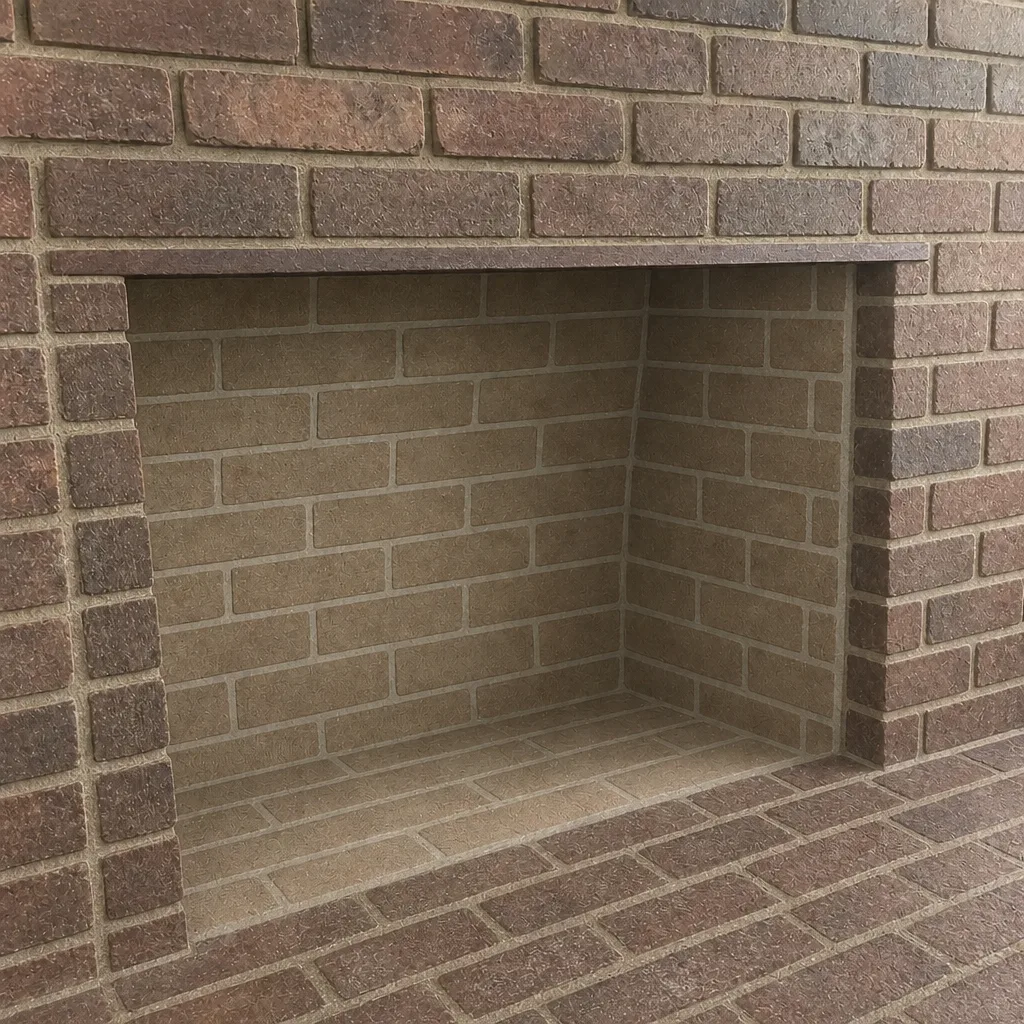
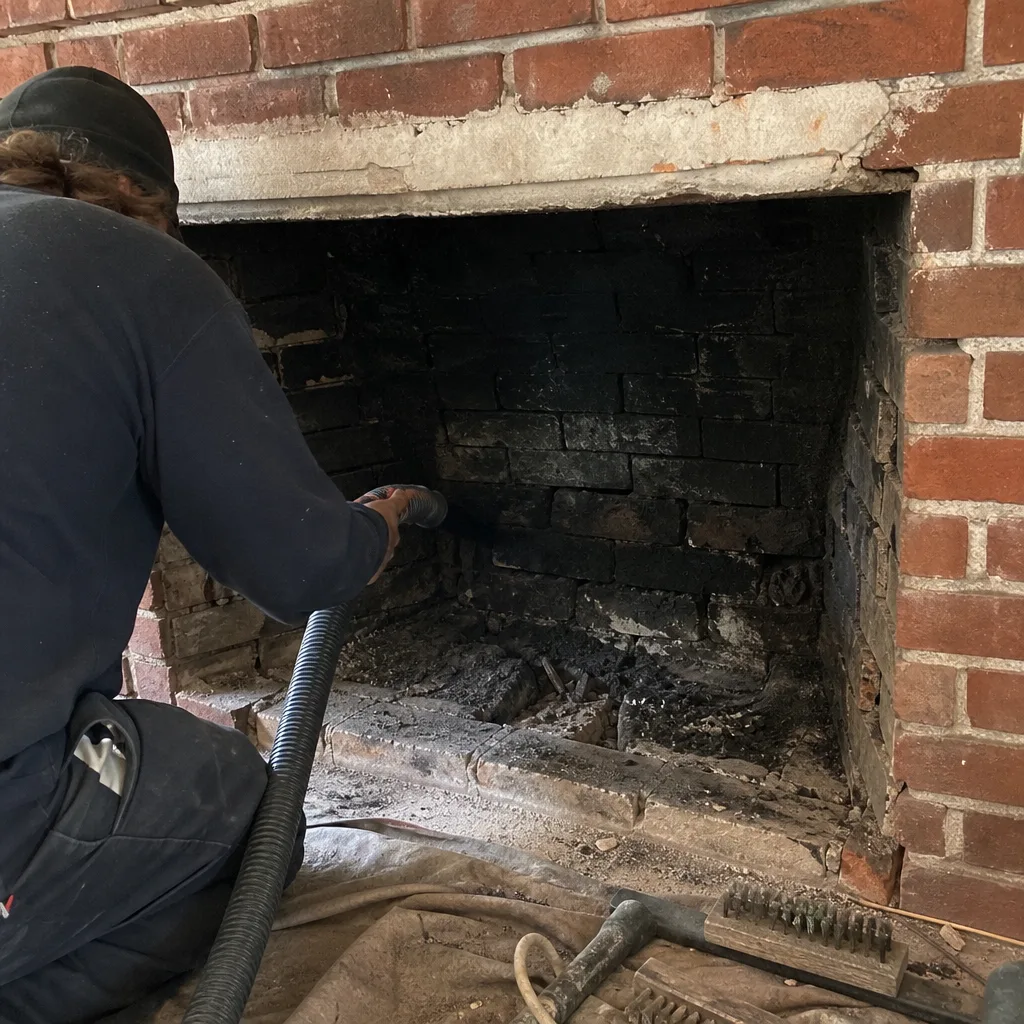
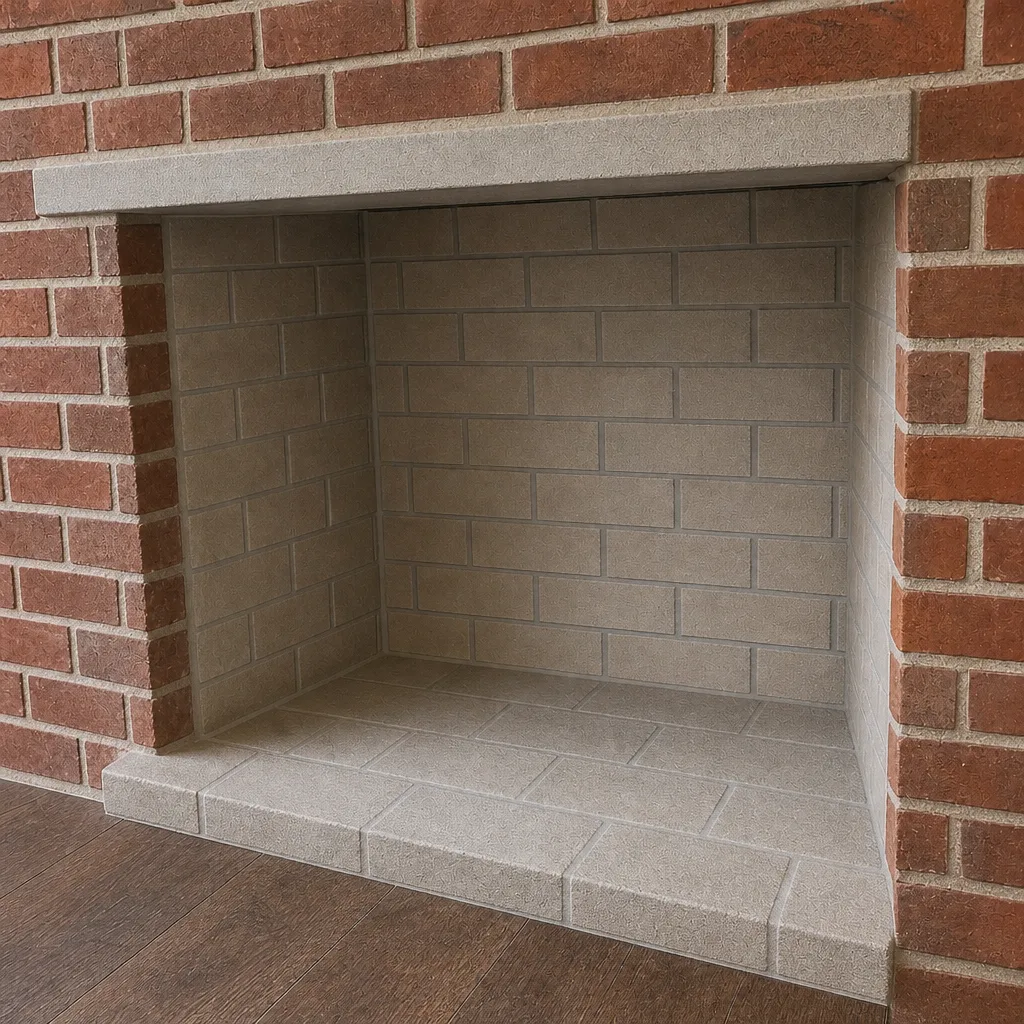
See the difference
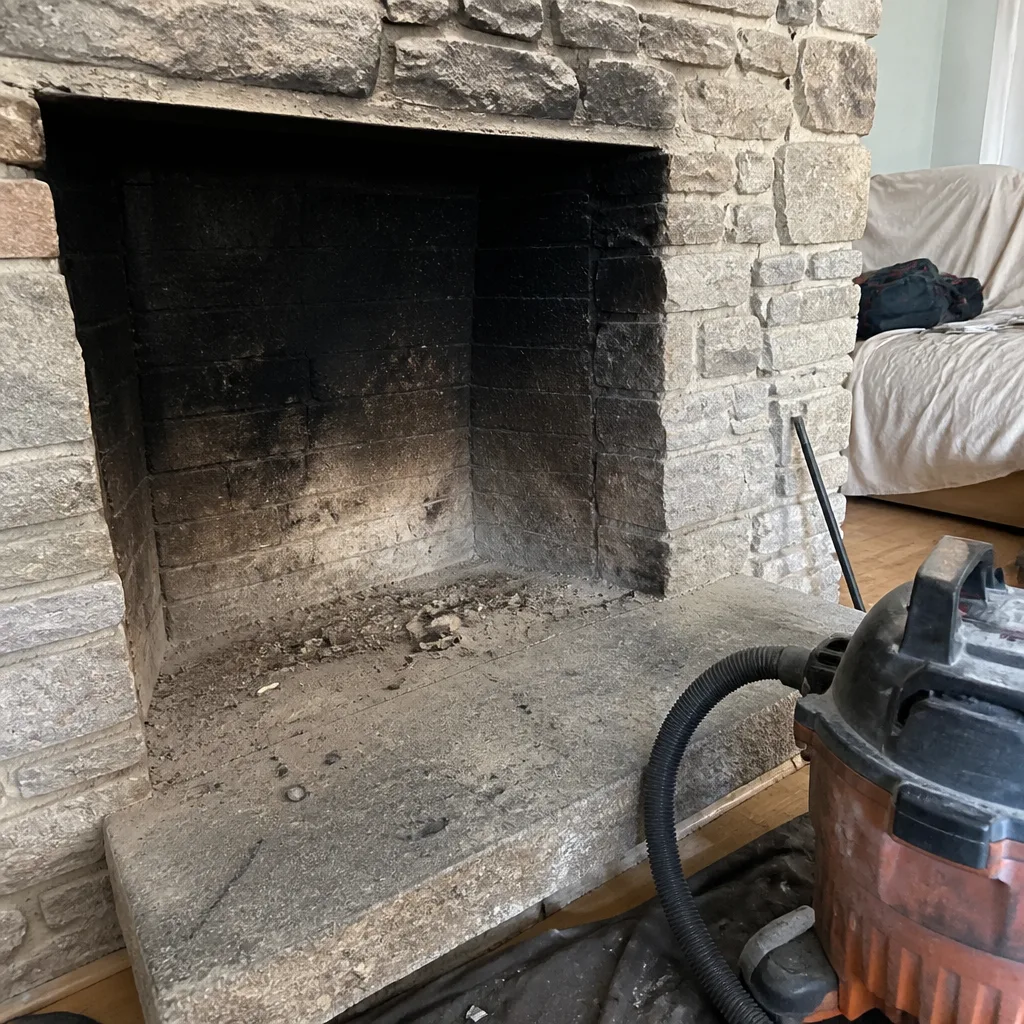 Before
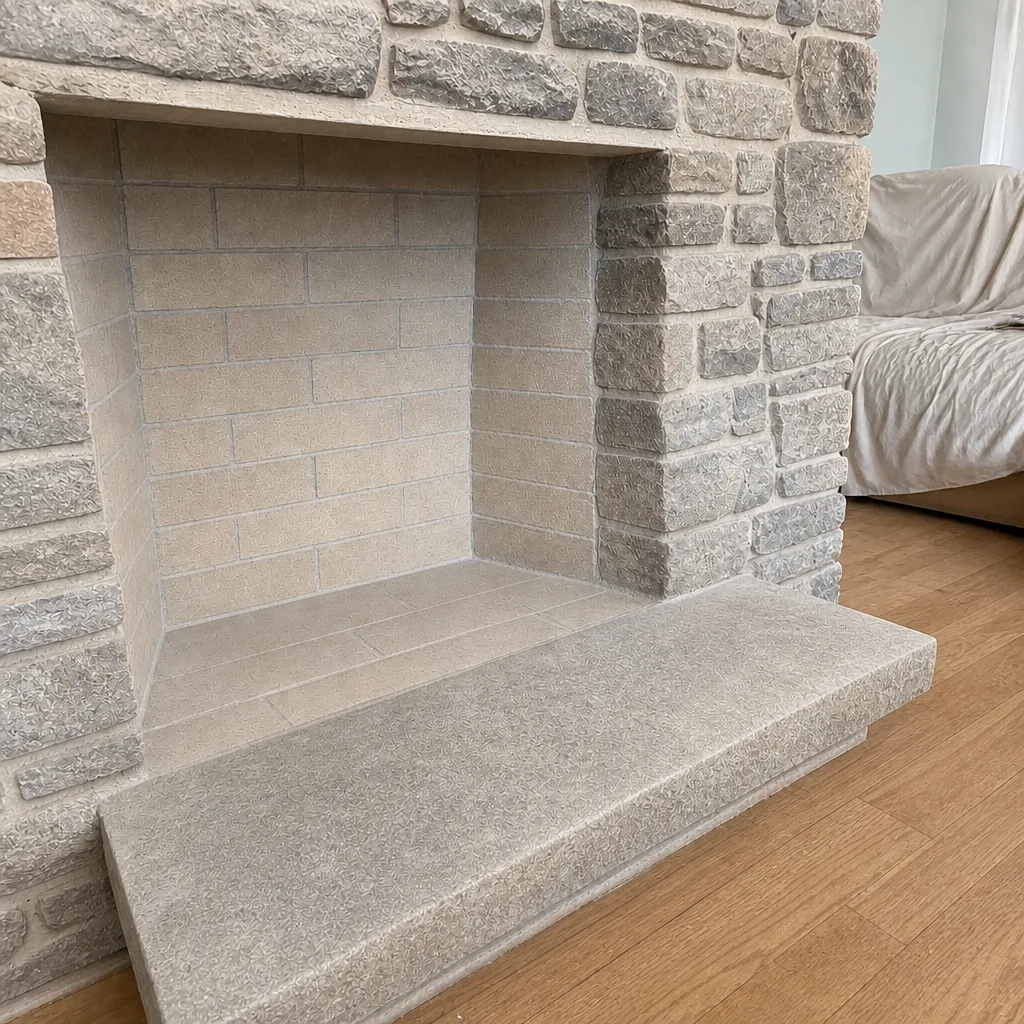 After
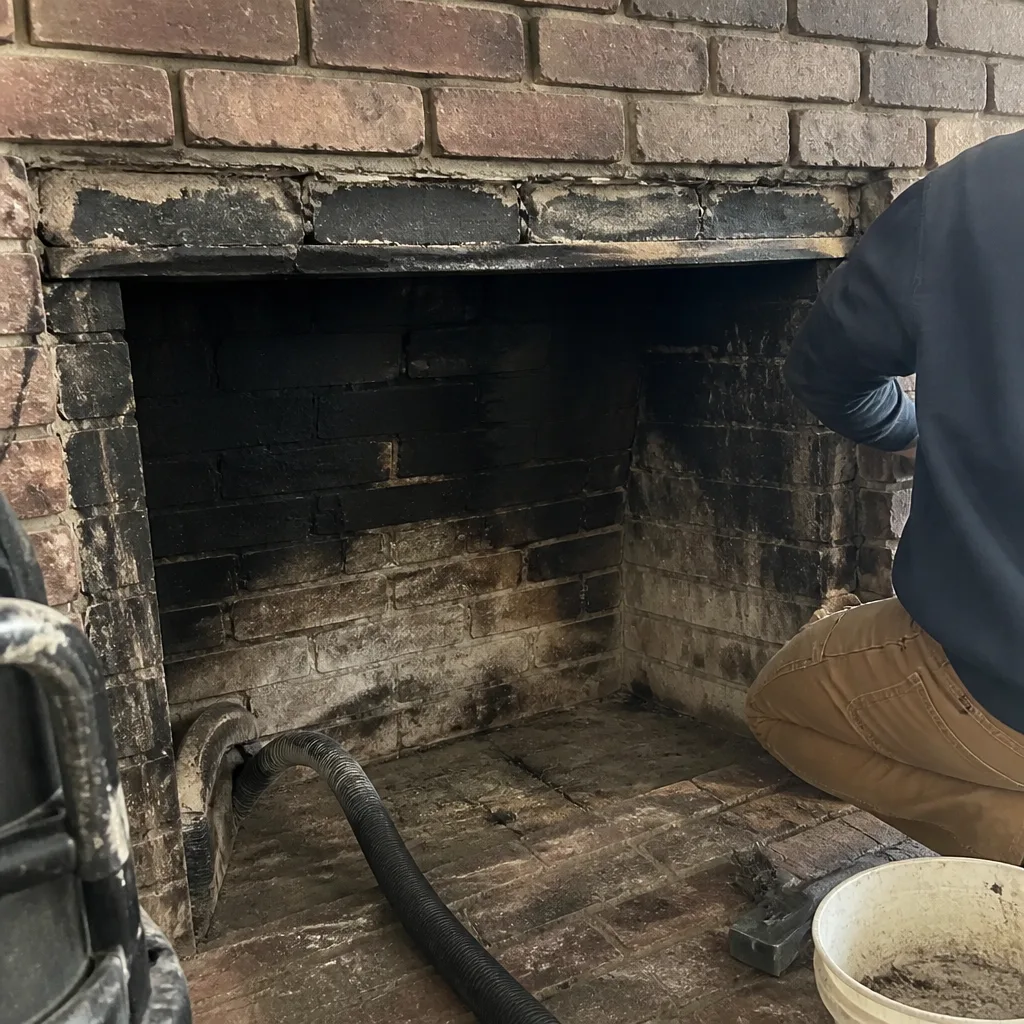 Before
 After
 Before
 After
Common Mistakes to Avoid
- Waiting until October to schedule a sweep. That’s the busiest month in Tremont, and any repair found during the sweep has to be rushed or postponed. Book in August or September for a stress-free season.
- Treating a chimney sweep as the whole job. The sweep cleans the flue; the inspection is what tells you whether the flue is safe. Both are part of a proper visit.
- Ignoring the cap and crown because the fireplace works fine. A chimney can draft correctly while water is quietly destroying the flue tile. Summer moisture damage doesn’t show up as a draft problem until it’s expensive.
- Skipping the spring inspection because nothing seemed wrong over winter. Freeze-thaw damage happens without symptoms. The crack in the crown was created by the cold, not by something you could have noticed.
- Burning green or unseasoned wood. Wet wood produces more creosote and deposits faster. Dry, well-seasoned firewood reduces the accumulation rate and the frequency of sweeping.
- Assuming a gas or oil system needs less care than a wood fireplace. Gas accumulates less creosote but still needs annual inspection, and oil furnace flues need annual cleaning without question.
- Hiring a general handyman for chimney work. A chimney specialist knows the specific failure modes of flue tile, crowns, and fireboxes. A generalist may miss the sign that matters.
When to Call a Professional
Call a professional immediately if smoke is entering the room during an active fire, if your carbon monoxide alarm sounds while the fireplace or furnace is running, if you see soot streaks on the chimney exterior, or if you notice a strong chemical smell near the flue. Those are safety situations, not seasonal chores. Schedule a professional sweep and inspection if it’s been more than a year since your last visit, if you’ve just moved into a home in Tremont and don’t know the chimney’s history, or if you’re planning to use a fireplace that sat idle for a season or more. Any inspection finding that involves a cracked flue tile, a deteriorating crown, or a damaged cap deserves a call, not a postponement. Our team at Chimney Sweep Tremont offers free estimates, and we work with the brands the chimney industry trusts. Call (844) 979-4331. We answer 24/7. Fast dispatch from 7am to 7pm, Sunday through Friday.
Frequently Asked Questions
Once a year for most wood-burning fireplaces in regular use, and once a year for oil furnace flues without exception. Gas fireplaces and inserts need an annual inspection, with a sweep only when the inspection shows it’s needed. If you burn green wood or use the fireplace heavily through the winter, expect faster accumulation. Call (844) 979-4331 for an exact quote; estimates are free.
Late summer, ideally August through September. Scheduling is easier than in the October rush, and a sweep at that point leaves room to complete any needed repairs before heating season. Spring is a good secondary window, particularly for the post-winter inspection that catches freeze-thaw damage. Call (844) 979-4331 to book.
Spring is when freeze-thaw damage becomes visible. Water absorbed into masonry in fall freezes over winter, expands, and cracks mortar, brick, and the crown; when it thaws in April and May, the cracks stay open. Catching them then means a small repair instead of a rebuild. Our team at Chimney Sweep Tremont inspects the crown, masonry, and flue with a camera so you can see what’s actually there. Call (844) 979-4331 for a free estimate.
Smoke entering the room, a carbon monoxide alarm sounding, soot streaks on the chimney exterior, or a strong chemical smell near the flue. Those mean stop using the fireplace and call. Mild odor changes or a thin soot film are usually a note for spring. When in doubt, call us at (844) 979-4331; we’d rather answer a question than see a problem get worse.
A chimney cap is essential. Without one, rain and snow flow directly into the flue, and the moisture damage accumulates through summer when the fireplace is idle. Inside, a missing cap lets animals and debris into the flue. A damaged or missing cap is one of the most common causes of flue problems. Call (844) 979-4331 to have your cap and crown checked.
Yes. Wood-burning fireplaces accumulate creosote and need annual sweeping when in regular use. Gas inserts burn cleaner but still need annual inspection. Oil furnace flues accumulate soot and corrosive residue that require annual cleaning without exception. Whichever system you have, an annual visit keeps the timing predictable. Call (844) 979-4331 for a free estimate.
The Bottom Line
The best chimney care in Tremont doesn’t happen in October; it happens across the whole year. A late-summer sweep removes creosote and leaves room for repairs before heating season. Mid-winter monitoring catches backdraft and soot issues early. A spring inspection catches freeze-thaw damage while it’s still small. Summer cap and crown checks stop moisture from undoing what the rest of the year maintained. Fuel type adjusts the frequency, but the rhythm stays the same. When you’re ready to put the seasonal plan in motion, our team at Chimney Sweep Tremont handles the whole system in one place. Call (844) 979-4331 for a free estimate. We answer 24/7. Fast dispatch from 7am to 7pm, Sunday through Friday.
Written by the team at Chimney Sweep Tremont.