
Last updated November 25, 2026
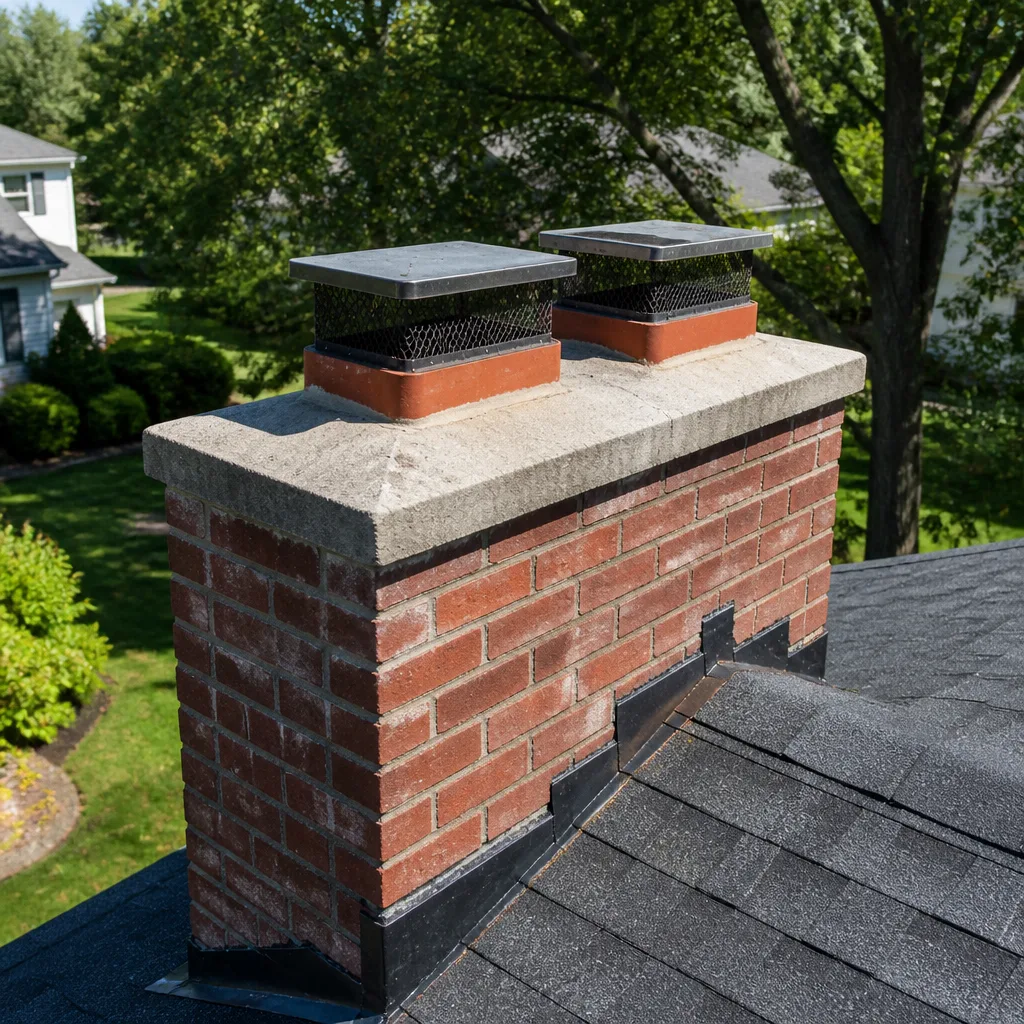 Sweep & inspection
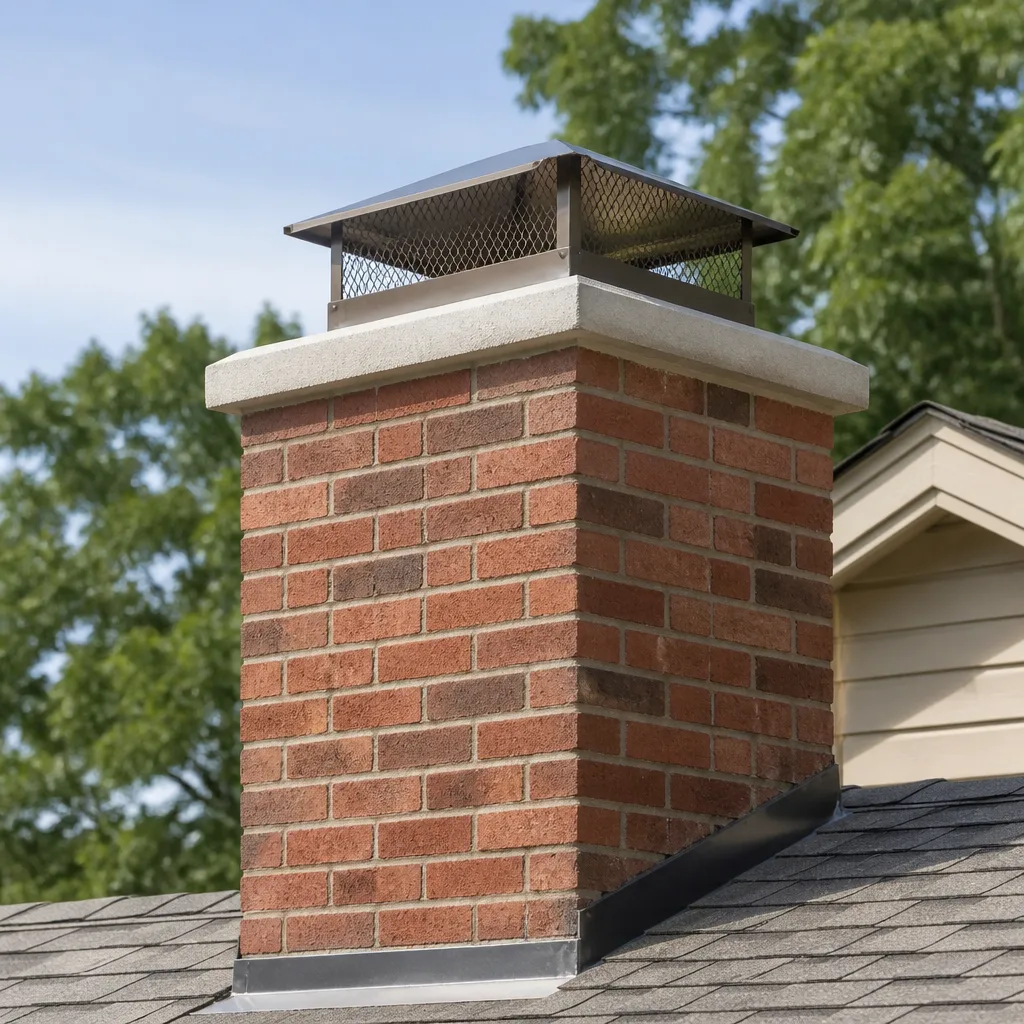 Caps & crowns
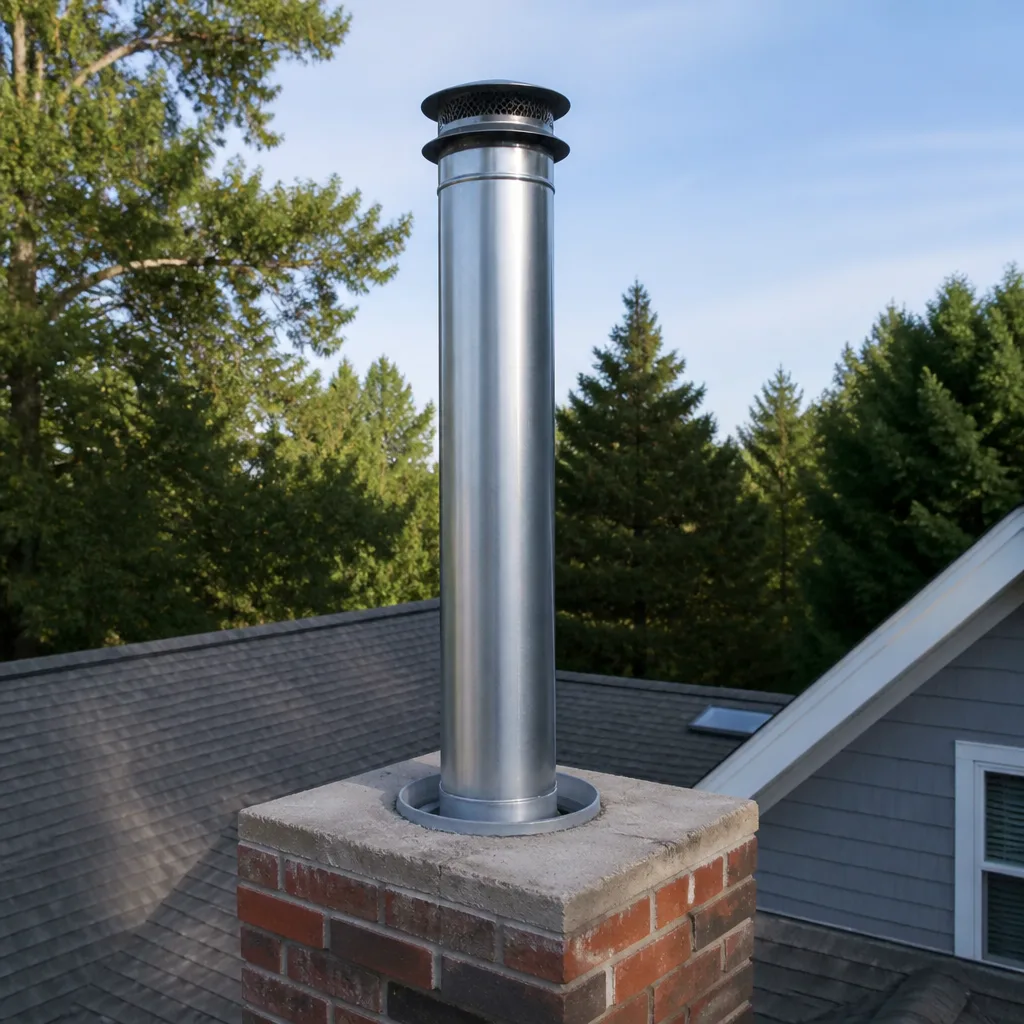 Flue relining
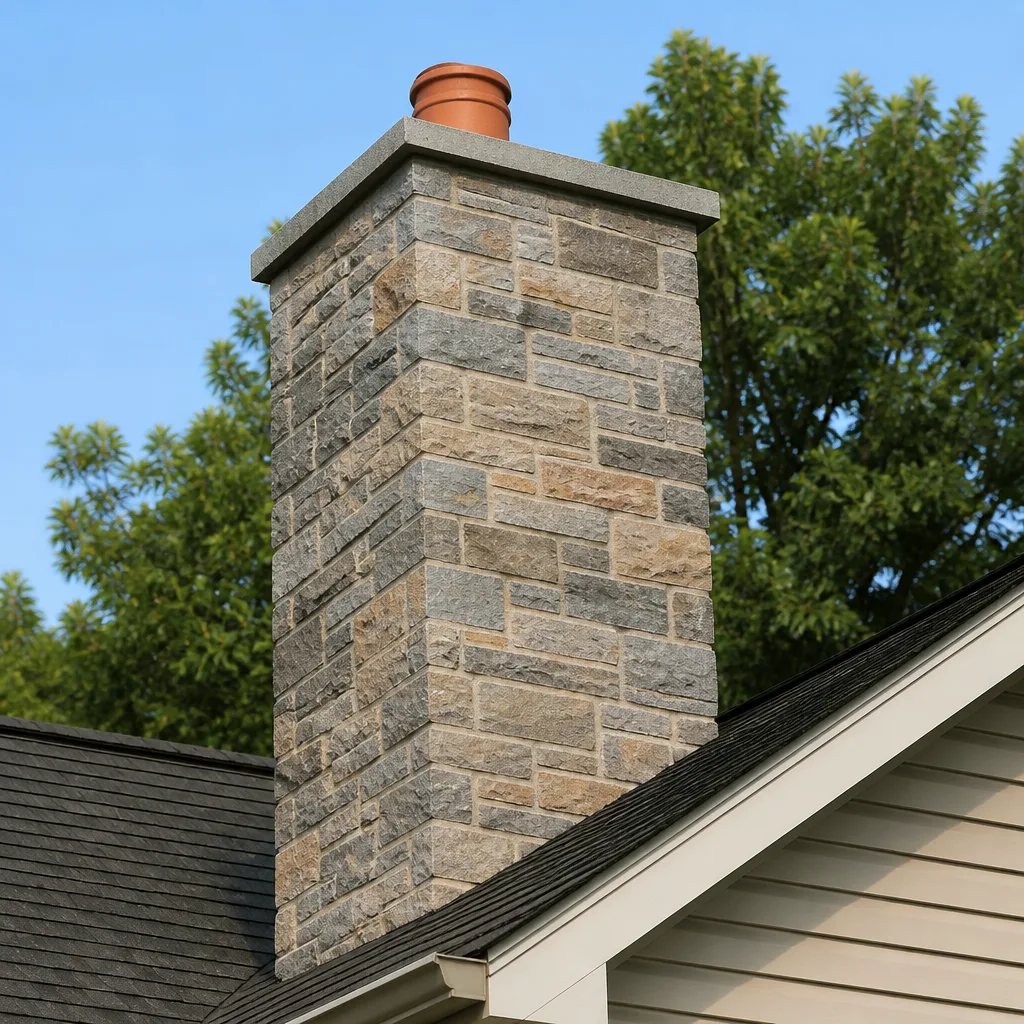 Masonry repair
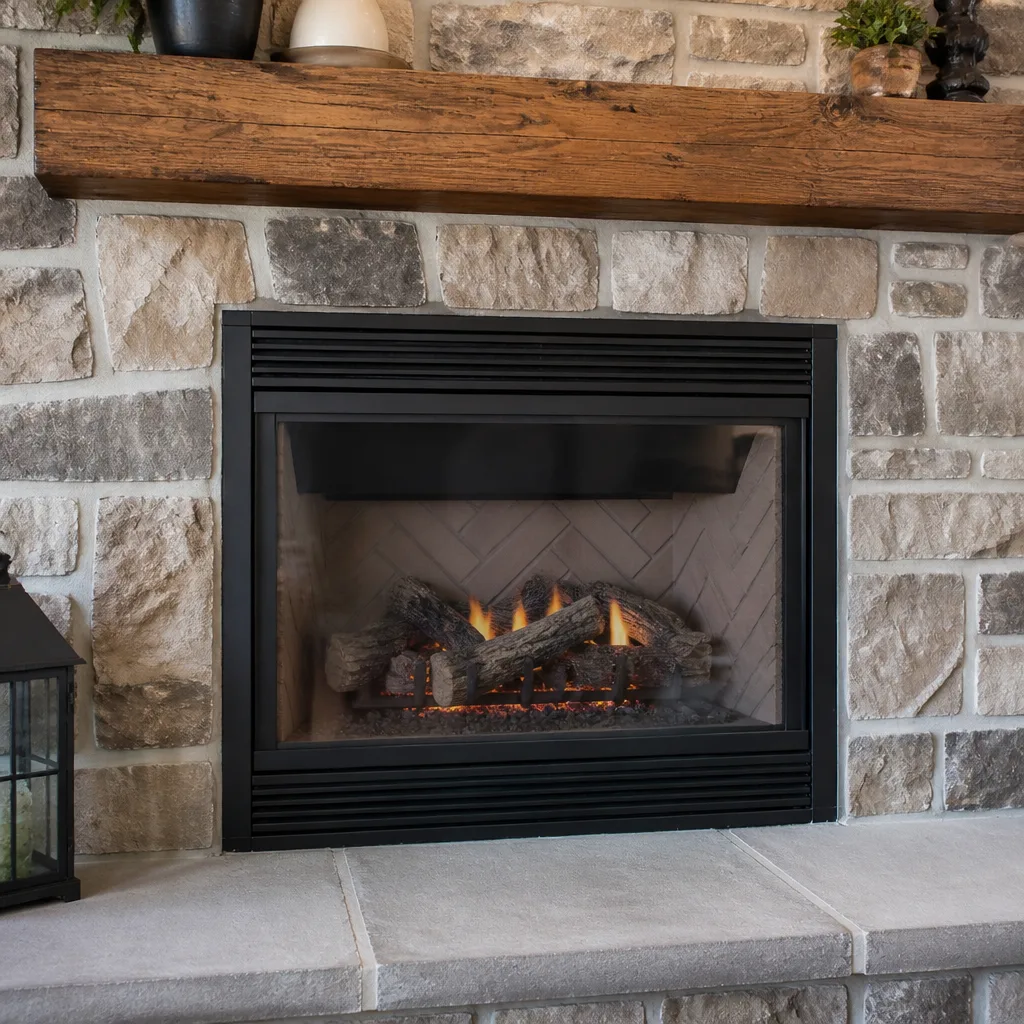 Gas fireplace service
Level 1 sweep and inspection to the NFPA 211 annual standard - flue, crown, cap, and flashing checked and photographed
Chimney sweep logs do not sweep chimneys. They loosen some creosote - which then falls where a brush and vacuum still have to collect it.
Chimney Cleaning Emergency Preparedness Guide for Tremont Homes
Most chimney emergencies we hear about in Tremont aren’t freak accidents. They’re the predictable result of a flue that was never checked, a fire that was never swept, or a sound in the fireplace that a homeowner wasn’t sure how to read. The two we see most often are an active chimney fire nobody recognized in time and a blocked flue discovered in the middle of winter, when the heat is already on and the house needs the fireplace more than ever. This guide walks you through both, minute by minute. You’ll learn what to do in the first five minutes of a chimney fire, what a post-fire inspection actually looks for, how to handle a blocked flue safely, and how to prep your Tremont home before the first cold night so the gap between a repair bill and a serious loss gets smaller.
Quick Answer
If you hear a low roaring sound from your fireplace and the flue is hot, assume it’s a chimney fire: close the glass doors or damper if you can reach them safely, call 911, and get everyone out. Do not put water on it. After any chimney fire, the chimney cannot be used again until a Level 2 inspection confirms the liner and mortar joints are intact. For a blocked flue discovered mid-season, stop using the fireplace immediately, keep the damper closed, and book a chimney sweep before you light another fire.
Styles & brands we work with
- Sweep & inspection
- Caps & crowns
- Flue relining
- Masonry repair
- Gas fireplace service
Table of Contents
- What to Do in the First Five Minutes of a Chimney Fire
- After the Fire: The Level 2 Inspection That Comes Next
- When You Discover a Blocked Flue Mid-Winter
- Carbon Monoxide Risks from a Compromised Chimney
- Pre-Season Emergency Prep for Tremont Homes
- How to Find Emergency Sweep Service in Tremont
- Common Mistakes to Avoid
- When to Call a Professional
What to Do in the First Five Minutes of a Chimney Fire
An active chimney fire is one of the few household emergencies where the right order of steps matters in the first few minutes. The fire isn’t usually visible from inside the room. What you’ll notice is a low roaring or rumbling sound like a distant train, a flue pipe that’s hot to the touch, puffs of smoke or creosote flakes coming back into the room, or a dark, oily smell. In a Tremont rowhouse or older frame home with a shared masonry stack, the sound often travels into the wall, which is why some homeowners feel it before they hear it.
What to do, in order:
- Get everyone out of the house first. Call 911 from outside or from a neighbor’s phone. A chimney fire can spread to the roof framing, the attic, or the adjoining walls faster than most people expect.
- Close the glass doors or the damper if you can reach them safely. Cutting the air supply starves the fire. This is the single most effective thing you can do before the fire department arrives, but only if it doesn’t put you in danger.
- Do not put water on it. Water on a hot flue or firebox can crack the masonry and cause a steam expansion that pushes fire into the walls. It’s the wrong instinct for a chimney fire even though it’s the right one for a stovetop fire.
- Don’t climb on the roof. A chimney fire can weaken the crown and flue tiles. Leave the roof to the fire department.
- Wait for the all-clear. Don’t re-enter until the fire department confirms the fire is out. Creosote can reignite hours later if the flue is still hot.
Why the sequence matters in Tremont specifically: many of the older masonry stacks in town are built into shared walls or interior chases, not free-standing exterior chimneys. That construction means a chimney fire that spreads to framing has a direct path into the structure, which is why evacuation comes first and damper-closing comes second. If you’re not certain whether your chimney is masonry or lined, that’s the kind of thing a proper inspection tells you before the fire starts, not after.
After the Fire: The Level 2 Inspection That Comes Next
After any chimney fire, the chimney cannot be used again until a Level 2 inspection is completed. That’s not a recommendation we invented. It’s the reason a post-fire inspection is treated so seriously: a fire can leave damage you cannot see from the firebox or the top of the flue, and using the chimney again before that damage is documented risks a much larger loss than the first fire caused.
A Level 2 inspection is more thorough than the routine visual check you’d get with a sweep. It typically includes:
- Video scanning of the flue to look for liner fracture, flue tile cracks, and gaps between tiles.
- Checking mortar joints, especially in the smoke chamber and above the damper, for separation caused by thermal shock.
- Inspecting the crown and cap for cracks that let water in and weaken the stack, since heat damage and freeze damage often happen together.
- Reviewing clearance to combustibles at the roofline and any attic or wall penetrations.
- A written report with photos and video, so you have documentation of what the fire did and what the fix is.
Thermal shock is the phrase to know here. A chimney fire can heat the flue tile fast enough that the clay fractures from expansion, while the mortar joints around it let go. That leaves a flue that still looks lined and may pass smoke for a while, but no longer safely contains hot gas and sparks. In our experience, a post-fire inspection is where we find this kind of damage most often, and it’s exactly the kind of thing a homeowner can’t identify from a flashlight and a fireplace.
Once the inspection report is in hand, the fix is usually one of three paths: resurfacing with a ceramic repair system like HeatShield if the flue structure is still sound, a flexible reline with DuraFlex if the flue has failed, or full replacement if the masonry itself is compromised. A chimney repair scope based on a documented inspection is a very different conversation from one based on a guess.
When You Discover a Blocked Flue Mid-Winter
The other emergency we deal with most in Tremont happens on the coldest nights: you light a fire, smell smoke in the room, feel a weak draft, or see soot backdrafts on the fireplace glass. That’s a blocked or partially blocked flue, and it can come from leaves, birds’ nests, a fallen cap, a broken flue tile, or a creosote load that was already near the danger line before the season started.
Here’s what to do, and what not to do:
- Put the fire out safely and stop using the fireplace. Open a window a crack if smoke is in the room, and let the fire burn down without adding more wood. Do not relight it to “test” the flue.
- Keep the damper closed when the fireplace is cold so animals and cold air don’t worsen the blockage, but open it if smoke is actively backing into the room.
- Don’t try to clear it from the top. Clearing a flue from the roof is the most common cause of injury we hear about in this trade. Leave it to a trained chimney technician who knows the construction on your roof.
- Don’t use a fire extinguisher or a chemical log to try to burn off creosote from below. Both make a problem worse and can damage the firebox.
- Book a sweep before you light again. A proper sweep clears the obstruction and checks for the reason it happened.
Temporary measures that are acceptable: a space heater in the room the fireplace usually warms, a window cracked in the room with smoke, and the damper closed on a cold fireplace. Temporary measures that aren’t: lighting a small fire “to see if it clears,” running the gas fireplace if you don’t know the flue condition, and burning prefab logs as a substitute. In Tremont’s older homes, a blocked flue is also a common reason for a small fire to produce far more smoke than it should, so any change in how your fireplace behaves at the start of the season is a reason to book a chimney sweep before the next cold night.
Carbon Monoxide Risks from a Compromised Chimney
Carbon monoxide from a chimney problem is often misread as an appliance problem. A partially blocked or poorly drafted flue lets CO come back into the room rather than out the top, and the symptoms look exactly like the ones people associate with a faulty furnace, boiler, or water heater. If you’ve had a service technician tell you your appliance is fine but you still feel off when the fireplace is running, the chimney is the next place to look.
What to watch for:
- Headaches, dizziness, nausea, or a “flu-like” feeling that eases when you leave the house and returns when you come back.
- Sleepiness or confusion in a room with a running fireplace or gas appliance.
- Soot streaks, backdrafts, or a smell of exhaust indoors even with a small fire.
- A CO detector that chirps or alarms near the fireplace or appliance.
Where to place a CO detector in a Tremont home: one on each sleeping level, one in the room containing the fireplace or gas appliance, and one near the base of the chimney chase if the flue runs through an interior wall. Detectors should be tested at the start of each heating season. If a detector ever alarms, treat it as a real event: get everyone outside, call 911 or the fire department, and don’t re-enter until the source is identified.
The reason CO risk deserves its own section in a chimney guide is simple. A flue that’s partially blocked or drafting weakly is still functional enough for the fireplace to burn, and that’s exactly what makes it dangerous. A fire that won’t stay lit is easy to notice. A flue that quietly pushes exhaust back into the room isn’t. That’s why we treat every inspection as a chance to check the whole system, not just to clean out a stove.
Pre-Season Emergency Prep for Tremont Homes
The best emergency plan for a Tremont chimney is the one you set up before the first cold night. Five items on hand will cover you for almost any scenario:
- A working CO detector on each sleeping level and in the fireplace room. Test it at the start of the season and know how it alarms.
- Your chimney sweep’s contact saved in your phone. Not the general contractor who “also does chimneys.” The chimney-only specialist who has your inspection on file. Save Chimney Sweep Tremont in your contacts before you need it.
- The last inspection report. Keep the written report and its photos as a PDF or paper copy. If you ever have a fire, the fire department and your insurer will want to know what the flue looked like beforehand.
- A photo record of the last sweep. Before-and-after photos of the flue give you a baseline. Without one, any future inspection is working without a comparison.
- A pre-season sweep and inspection booked before the first cold snap. The best time to find a cracked flue tile is in September, not in January with the fireplace already running.
Two things most Tremont homeowners skip: they don’t save the inspection report, and they don’t know whether their chimney cap is on the right way. Both matter. A missing or damaged cap is one of the most common causes of a blocked flue in the middle of winter, and a chimney cap & crown in good condition is what keeps rain, snow, and animals out of the flue between seasons. The other prep item worth adding before the season starts: a quick conversation with your chimney sweep about the flue construction in your specific house. Trenches, chases, and older masonry stacks in Tremont each have their own failure patterns, and knowing yours in advance makes a real emergency easier to handle.
How to Find Emergency Sweep Service in Tremont
Finding a sweep in the middle of an emergency is a lot harder than it should be. The trick is to do it before you need it. Three concrete steps:
- Confirm the contractor is a chimney specialist. Look for a company that handles chimney work as their whole service line, not a general handyman who also cleans chimneys. A crew that also does gutters and pressure washing hasn’t spent the same time looking at flues.
- Check the contractor’s certification and their materials. A chimney sweep certified by a recognized industry body, working with professional-grade brands like Copperfield and DuraFlex, is a reasonable floor. Ask what they install and why.
- Ask what the emergency process actually looks like. A good sweep should be able to tell you, in advance, how they handle a blocked flue on a cold night, whether they can perform a post-fire Level 2 inspection, and what the written report will include.
One more note on timing in a Tremont winter: a blocked flue calls for a real sweep, not a “quick look.” If a fireplace is backdrafting, the right move is a scheduled visit where the sweep clears the obstruction and checks the whole flue. Seasonal urgency is real, but the fix is a booked sweep, not an improvisation. When you’re ready, Chimney Sweep Tremont handles sweep, inspection, cap and crown, liner repair, and fireplace repair as one scope, so nothing gets handed off in the middle of the job. Our technicians have up to 14 years of experience.
Common Mistakes to Avoid
- Putting water on a chimney fire. A hot flue can crack from the rapid cooling and push steam and fire into the walls. Close the damper if it’s reachable, get out, call 911.
- Lighting another fire “to see if the flue clears.” A blocked flue that has already backdrafted will only push more smoke and CO into the room. Stop using the fireplace until a sweep clears it.
- Skipping the Level 2 inspection after a fire. Using a fire-damaged chimney before it’s inspected is the single most expensive mistake we see. Liner fracture and thermal-shock damage in mortar joints need to be documented before any more fires.
- Trusting a general contractor to assess a flue. Chimney systems have their own failure patterns. A handyman who also does gutters doesn’t look at a flue the same way a chimney specialist does.
- Replacing a CO detector with the cheapest one available and never testing it. A detector on the mantel that hasn’t been tested since it came out of the box is a decoration, not a safety device. Test it before the season starts.
- Throwing away the inspection report. When you need a post-fire inspection, the most valuable document you can hand the sweep is what the flue looked like before the fire.
- Clearing a flue from the roof in a snowstorm. Every year, homeowners in Tremont decide to clear a flue from the roof after a bird or a leaf blockage. Every year, someone gets hurt. Leave it to a trained chimney technician.
When to Call a Professional
Call a professional chimney service if any of these are true: you’ve had a chimney fire, even a small one; your fireplace backdrafts, smokes into the room, or produces more smoke than it used to; your CO detector has gone off; you see soot streaks on the fireplace glass or the wall above the firebox; your chimney cap is missing or damaged; you’ve never had the flue inspected and you don’t know what kind of liner is inside; or a bird or animal got into the flue. Each of these is a reason to get a qualified chimney specialist out before the next fire, not after. Chimney Sweep Tremont offers free estimates in Tremont: call (844) 979-4331. We answer 24/7. Fast dispatch from 7am to 7pm, Sunday through Friday. Our technicians have up to 14 years of experience, we work with the brands the chimney industry trusts, and we handle inspection, sweep, cap and crown, liner repair, and fireplace repair as one scope.
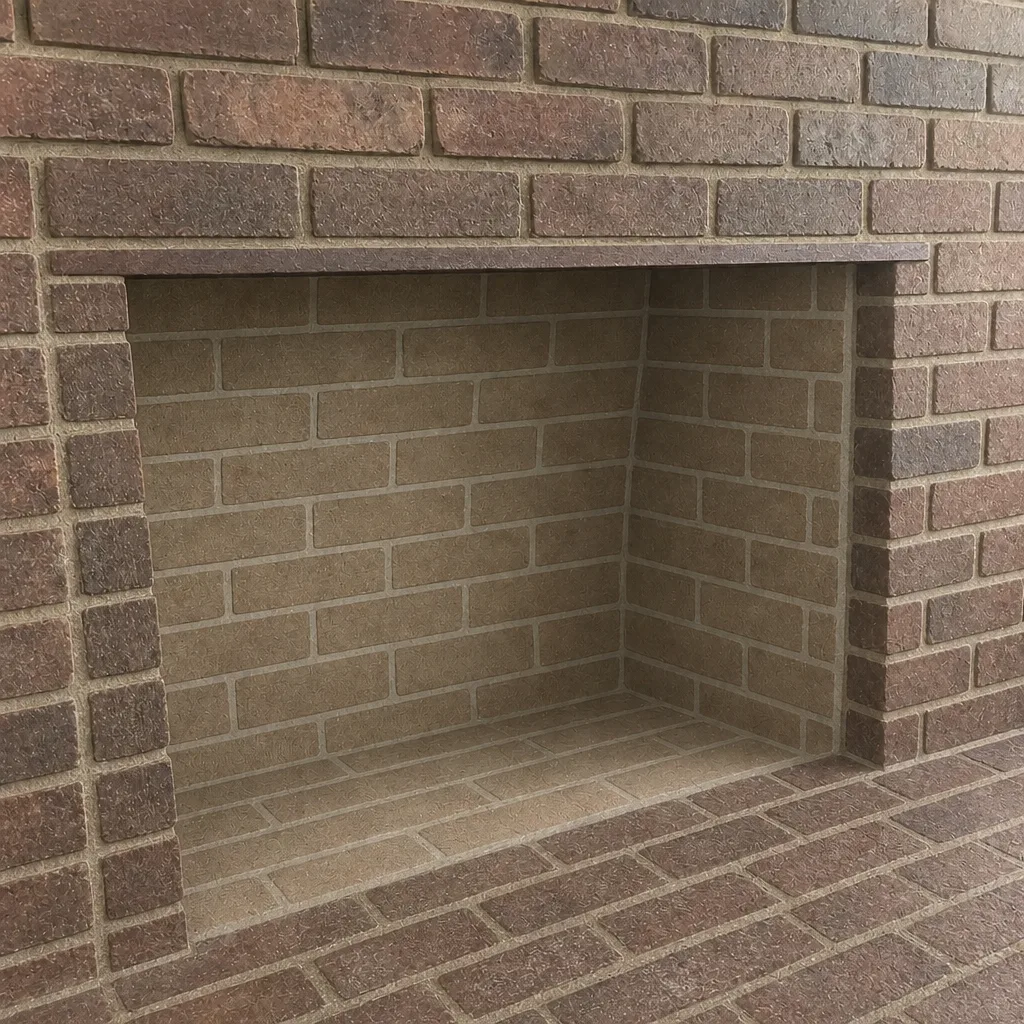
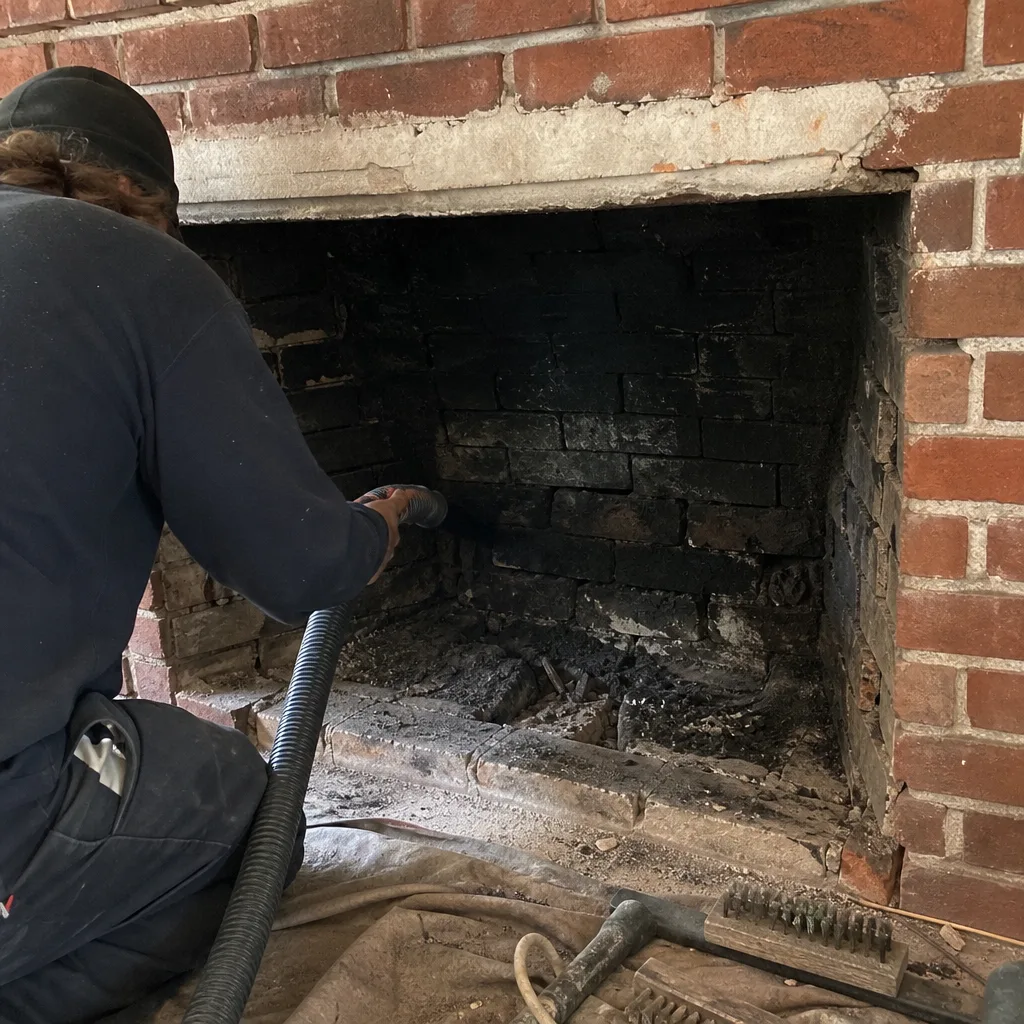
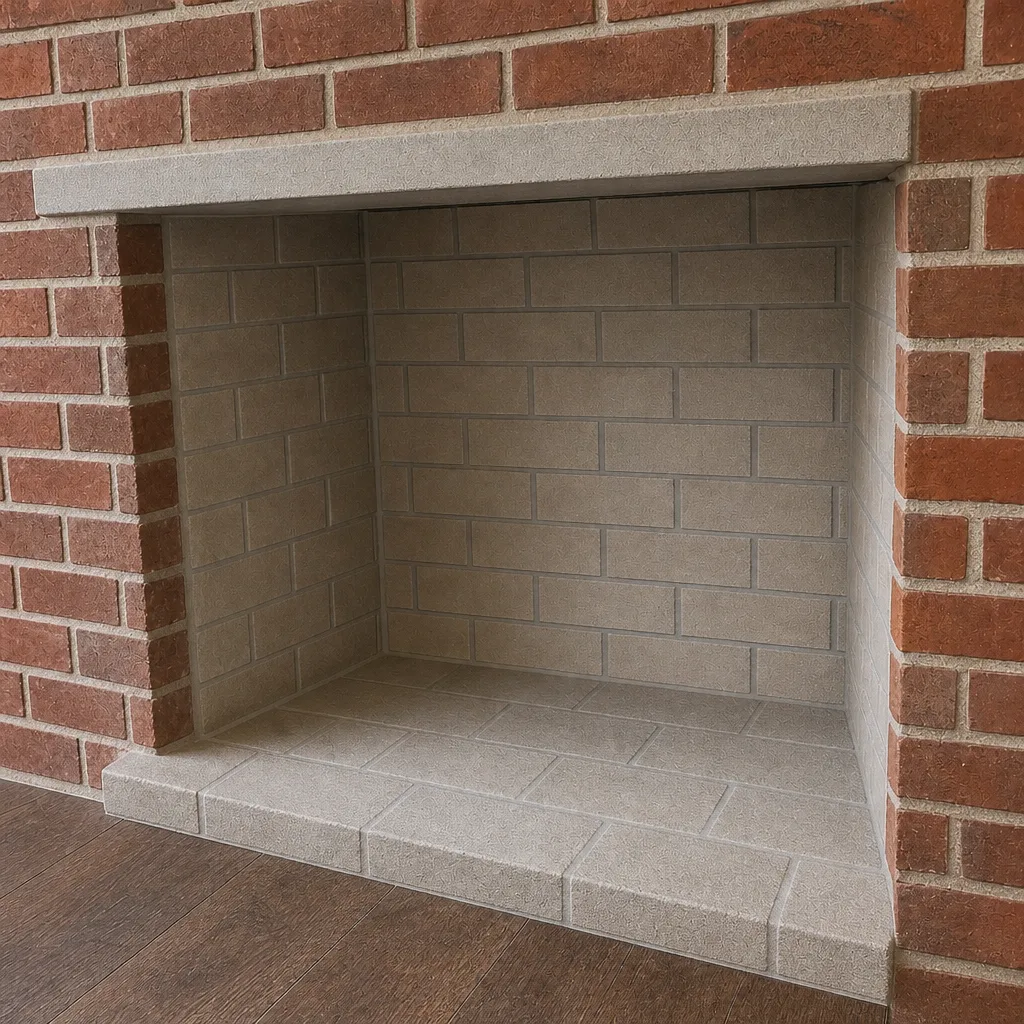
See the difference
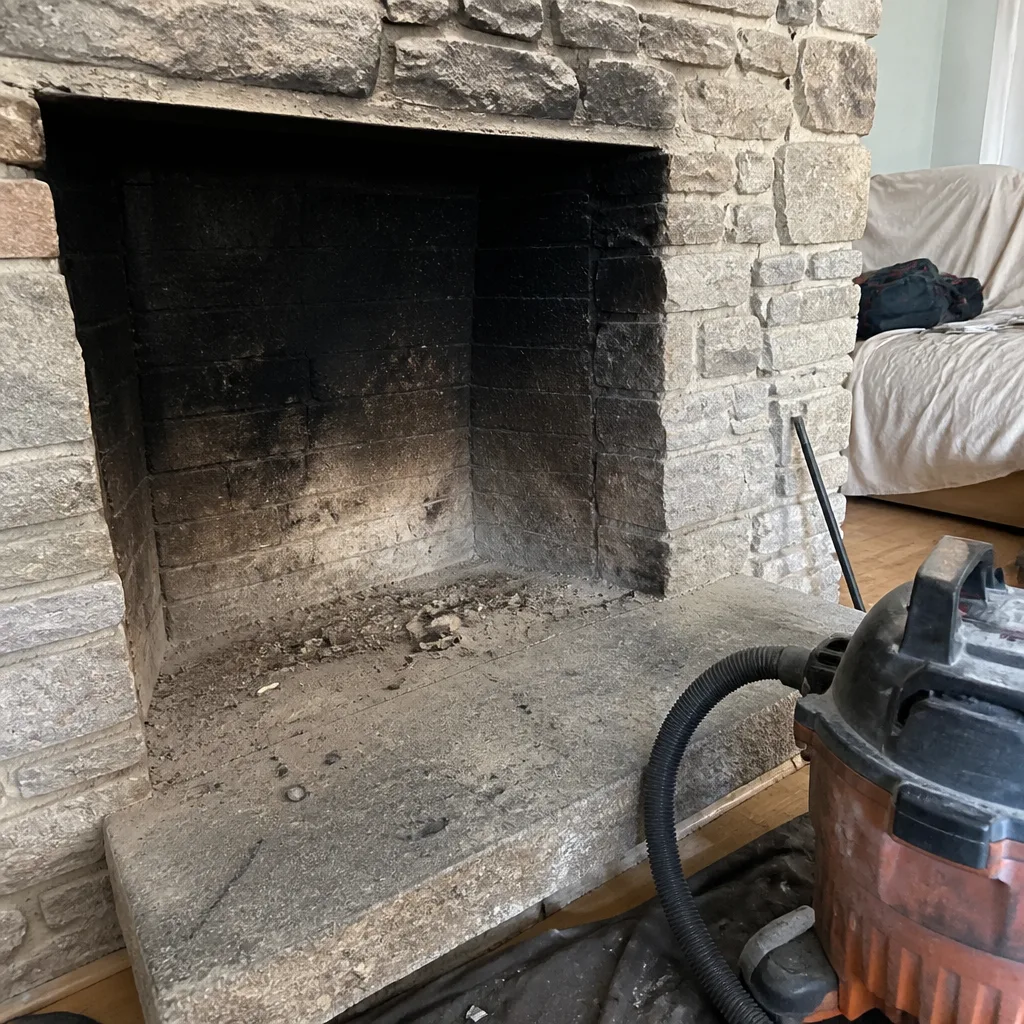 Before
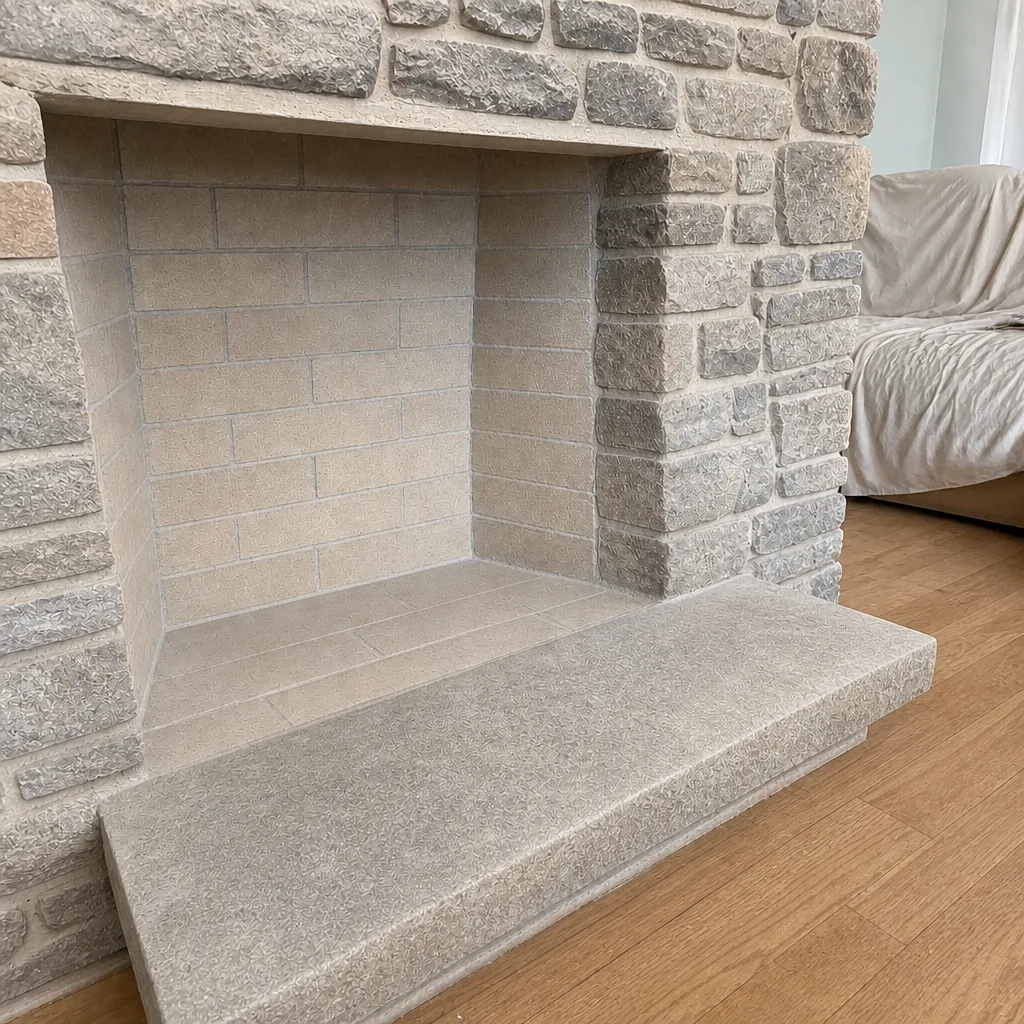 After
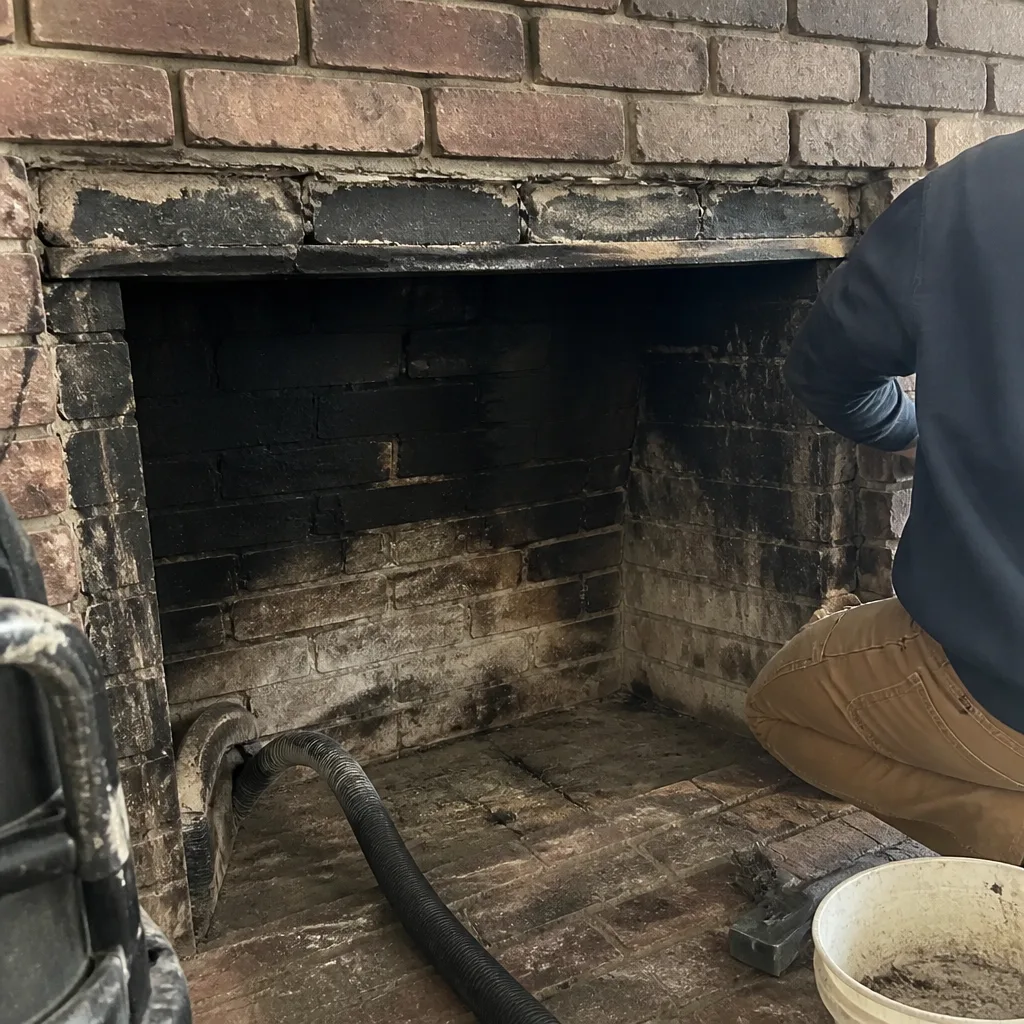 Before
 After
 Before
 After
Frequently Asked Questions
Close the glass doors or damper if you can reach them safely, get everyone out of the house, and call 911. Do not put water on the fire. A chimney fire can spread to framing, especially in the older masonry stacks common in Tremont, so evacuation comes before anything else. Call (844) 979-4331 after the fire department has cleared the scene to book a post-fire inspection.
No. After any chimney fire, the chimney should not be used again until a Level 2 inspection confirms the liner and mortar joints are intact. A fire can fracture flue tiles and separate mortar joints in ways you cannot see from the firebox, and lighting another fire before that damage is documented risks a much larger loss. Call (844) 979-4331 to schedule the inspection, and keep your last report on hand as a comparison.
A routine sweep is priced per job against a written estimate, and the estimate is free. The final price depends on the flue construction, how much creosote has built up, and whether the sweep finds a reason to recommend further inspection or repair. Call (844) 979-4331 for an exact quote; estimates are free.
Smoke backdraft usually means a partially blocked flue, a damaged cap, a negative pressure problem in the house, or a creosote load that has narrowed the flue. In a Tremont winter, the most common cause we see is a blocked flue from a fallen cap or an animal nest. Stop using the fireplace and book a sweep to clear it and check the reason it happened. Call (844) 979-4331.
Not always. If the inspection shows a structurally sound flue with some surface damage, a ceramic resurfacing system like HeatShield can repair it without full relining. If the flue tiles are fractured, a flexible stainless liner like DuraFlex is the right path. Either way, the decision is based on the inspection report, not a guess. Call (844) 979-4331 and we’ll walk you through what the report recommends.
Skipping an inspection means the biggest risk stays hidden: a partially blocked or poorly drafted flue that still allows a fire to burn, but doesn’t safely carry exhaust away. That’s a carbon monoxide risk and a chimney fire risk at the same time. A light fire won’t necessarily tell you something is wrong. Book a sweep and inspection before the season starts, and you’ll be working from a report instead of a guess. Call (844) 979-4331.
The Bottom Line
The two most common chimney emergencies in Tremont, an active chimney fire and a blocked flue discovered mid-winter, both have a plan. On a chimney fire: damper closed if reachable, everyone out, 911 called, no water. After a fire: no more burning until a Level 2 inspection is done. On a blocked flue: stop using the fireplace, don’t try to clear it from the roof, book a sweep. Prep does the rest: CO detectors tested, your chimney sweep’s number saved, your inspection report kept, and a pre-season sweep on the calendar. Chimney Sweep Tremont handles the full system, from firebox to crown, and our technicians have up to 14 years of experience. Call (844) 979-4331 for a free estimate. We answer 24/7. Fast dispatch from 7am to 7pm, Sunday through Friday.
Written by the team at Chimney Sweep Tremont.