
Last updated November 25, 2026
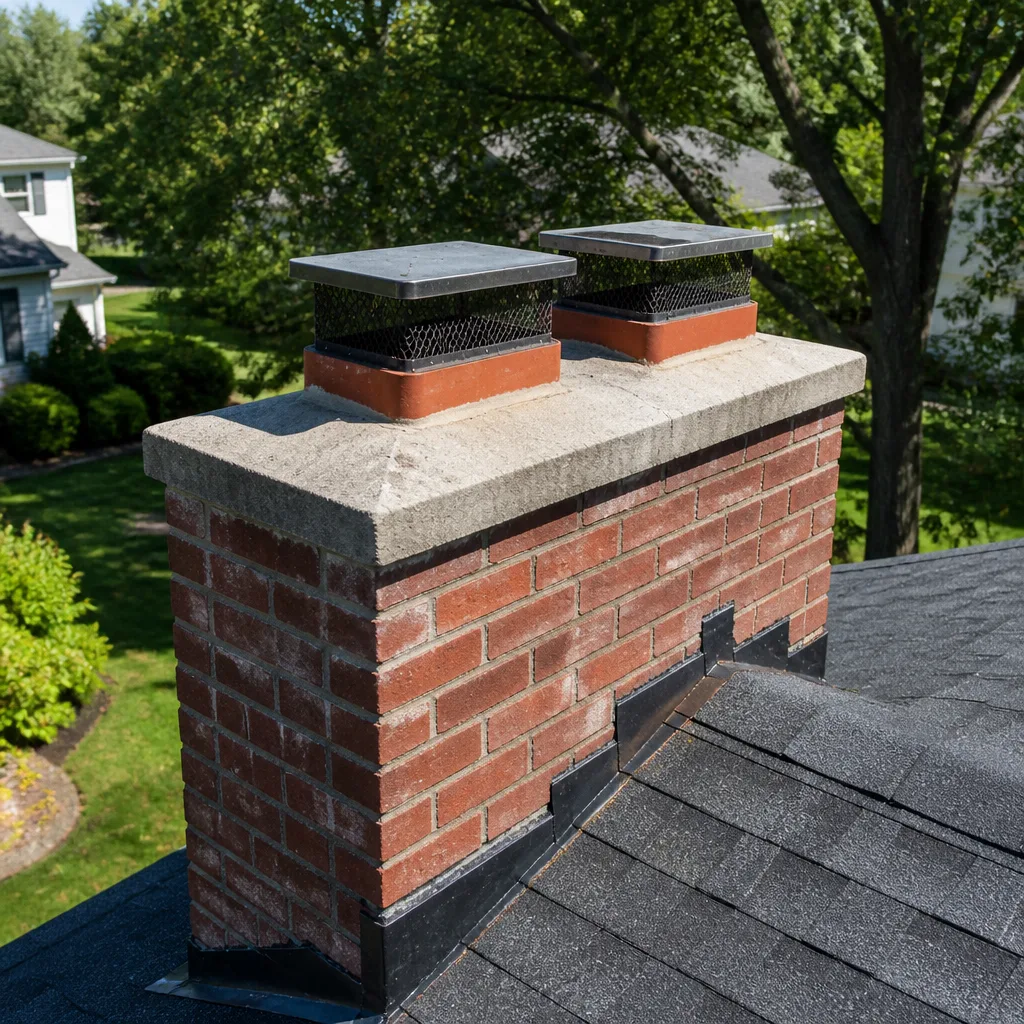 Sweep & inspection
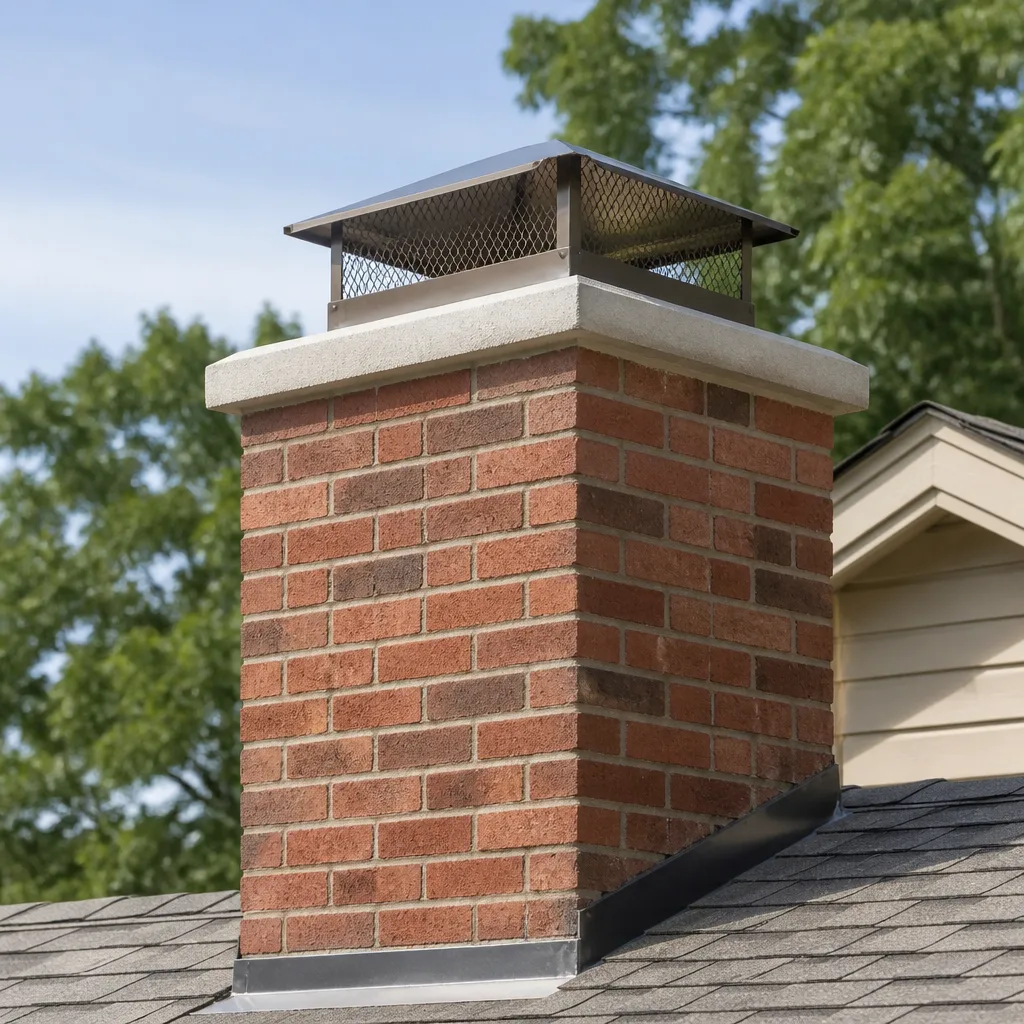 Caps & crowns
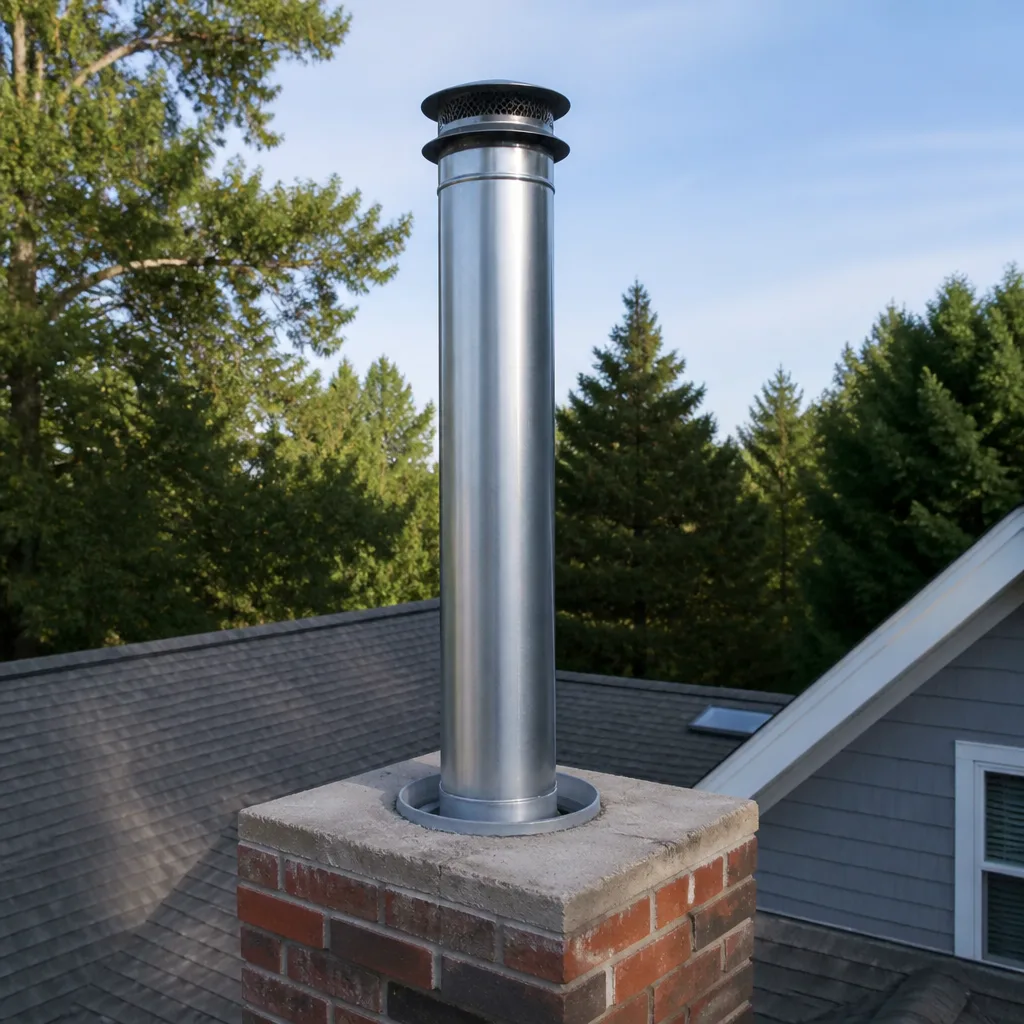 Flue relining
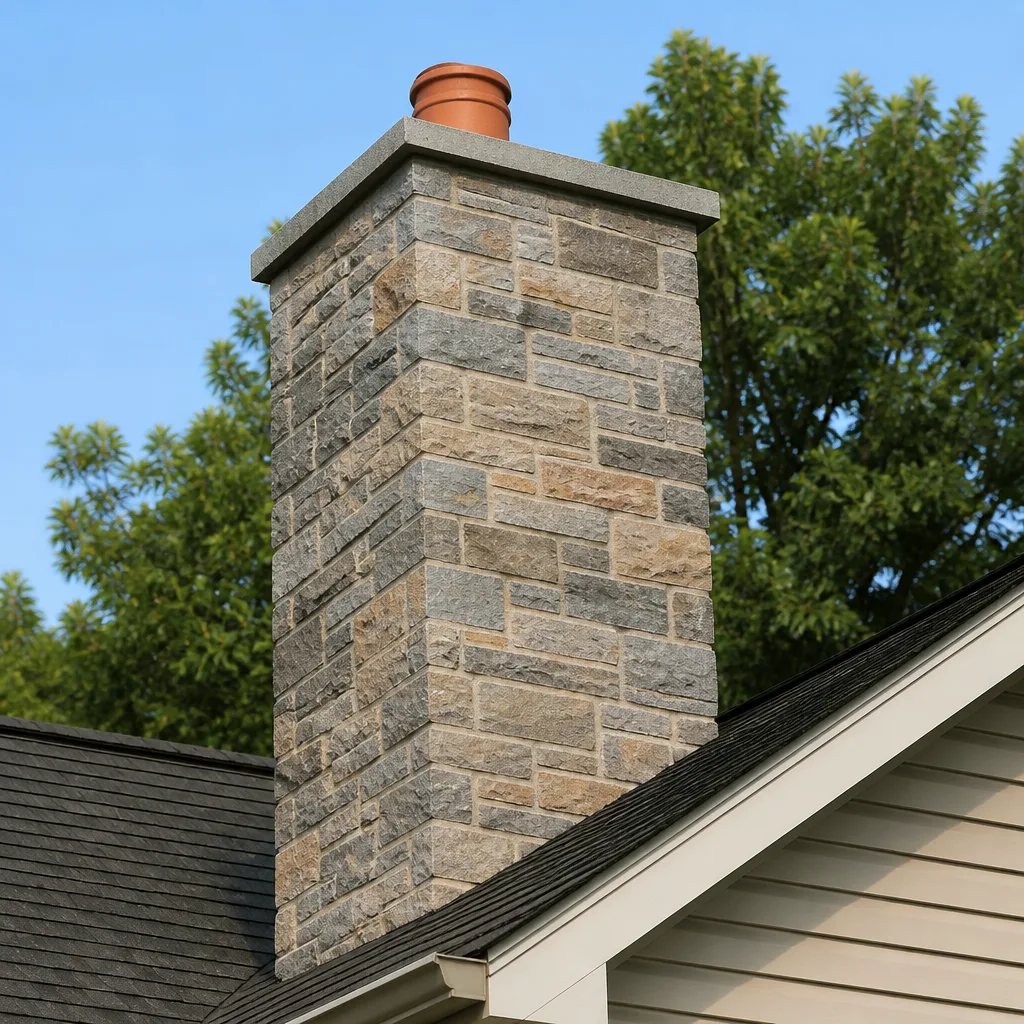 Masonry repair
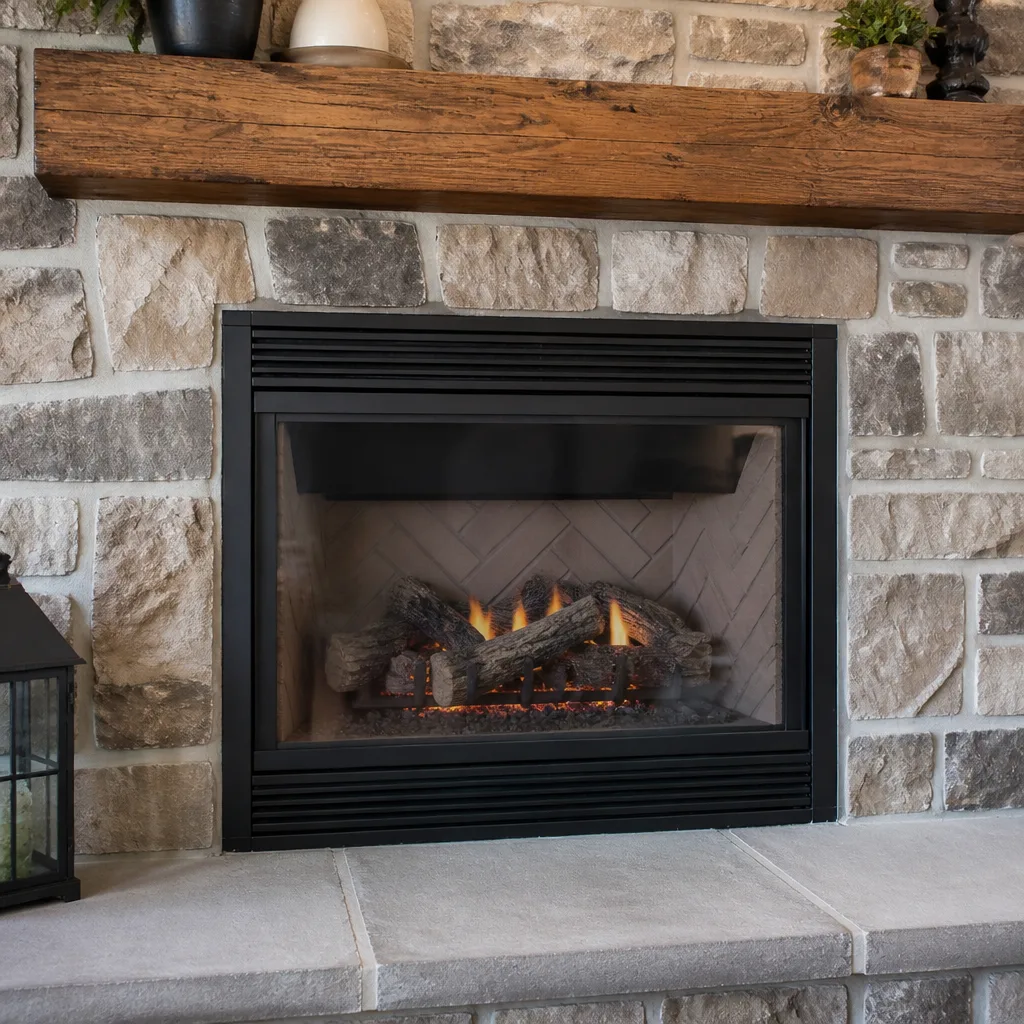 Gas fireplace service
Level 1 sweep and inspection to the NFPA 211 annual standard - flue, crown, cap, and flashing checked and photographed
Chimney sweep logs do not sweep chimneys. They loosen some creosote - which then falls where a brush and vacuum still have to collect it.
How to Hire a Chimney Cleaning Contractor in Tremont: A Step-by-Step Guide
New York doesn’t require a state license to sweep a chimney. That’s the detail nobody mentions when they hand you a business card. Almost anyone can buy a brush, print a logo, and knock on doors in Tremont, which means the usual shortcuts you’d use to vet a plumber or an electrician (look up the license, check the state database) don’t apply here. The burden falls on you, the homeowner, to tell a trained chimney specialist from a generalist with a ladder. This guide walks you through what actually matters: which credentials to verify and how, the four phone questions that separate real contractors from opportunists, how to read a written estimate line by line, and what a completed job should look like before anyone packs up.
Quick Answer
To hire a chimney cleaning contractor in Tremont, verify trade-specific credentials (CSIA or NFI certification, checked on the certifying body’s own website), require a written scope of work before booking, confirm a camera inspection is included and not an upsell, and read the estimate line by line before you sign. Skip anyone who quotes over the phone, solicits door to door, or asks for cash with no paperwork. The right contractor documents the job from firebox to crown.
Styles & brands we work with
- Sweep & inspection
- Caps & crowns
- Flue relining
- Masonry repair
- Gas fireplace service
Table of Contents
- Why hiring a chimney contractor in Tremont is harder than it looks
- The credentials that actually matter (and how to verify them)
- Four questions to ask on the phone before you book
- Red flags specific to the Tremont market
- How to read a written estimate
- What to expect on the day of service
- What documentation you should walk away with
- Common mistakes to avoid
Why Hiring a Chimney Contractor in Tremont Is Harder Than It Looks
Chimney work is one of the few trades in New York with no state-level licensing requirement. Plumbers, electricians, and even nail technicians need a license. A person who sweeps your flue and tells you your flue needs thousands of dollars of relining work does not. That gap is not a small technicality. It’s the reason a homeowner in Tremont has to do more homework than they would when hiring almost anyone else.
The work compounds the problem. Chimney cleaning sits at the intersection of cleaning, inspection, structural assessment, and code knowledge. A general handyman can push a brush through a flue and call it done. A real chimney specialist can tell you whether the liner has cracks, whether the crown is shedding, whether the flue has the right draft for your appliance, and whether the chimney cap is keeping water and animals out. Those are different skill sets, and they show up in very different quality of work.
Add to that the geography. Tremont is a neighborhood where much of the housing stock is older, with masonry chimneys built before today’s standards and flues that have seen decades of wood smoke. Older masonry needs assessment, not just sweeping. The homes aren’t identical, and neither are the chimneys, which means a one-quote-fits-all approach doesn’t hold here any more than it does anywhere else. That’s the context you’re hiring into, and it should inform what you ask.
The good news: vetting isn’t hard once you know what to look for. It takes about fifteen minutes on the phone and ten minutes of online verification. What follows is exactly what to check.
The Credentials That Actually Matter (and How to Verify Them)
Two credentials carry real weight in this trade: CSIA Certified Chimney Sweep and NFI certification. Neither is legally required in New York. Both are earned, and both are verifiable. That’s the whole point.
The CSIA (Chimney Safety Institute of America) credential requires a written exam, continuing education, and a code of ethics. The NFI (National Fireplace Institute) credential is specific to hearth appliances: wood, gas, pellet. A qualified chimney contractor may hold one or both. What matters more than the letters is whether the person holding them can be found in the certifying body’s public directory, because credentials that can’t be verified don’t count.
Here’s how to verify, step by step:
- Ask for the names of the certified technicians who will actually do the work (not just the company).
- Go to the CSIA website and search the public directory by name or company. Same for NFI.
- Check that the certification is current. Certification lapses or is revoked, and a lapsed card is no better than no card.
- Ask whether the crew are employees or subcontractors. A CSIA-certified company that dispatches uncertified subs is not the same thing.
- Confirm that documentation of certification will be present on the day of the visit.
We work in this trade every day, and we’ll tell you plainly: a CSIA-certified technician who can produce the certificate and a public listing is a meaningful signal. A photo of a certificate in a brochure that doesn’t match any directory entry is not. Verify, don’t take the word for it. For customers who want the credentials and the process both documented, a Chimney Sweep Tremont visit includes the assessment and the paperwork.
Four Questions to Ask on the Phone Before You Book
The phone call is where most of the vetting happens. A competent contractor can answer these four questions in under five minutes. Someone guessing at the work will stumble.
1. Does the price include a camera inspection of the flue, or is that extra?
This is the single most revealing question. A proper chimney assessment involves running a camera down the flue to see the liner, the joints, and the condition of the interior. That’s the visual evidence that separates a real assessment from a cleaning receipt. If a contractor says the camera is extra, ask what the price is. If they say they don’t use one, ask how they’d know if the liner has cracks. The answer tells you everything. Our chimney repair work starts with that camera, and so should any contractor you hire.
2. What vacuum system do you use?
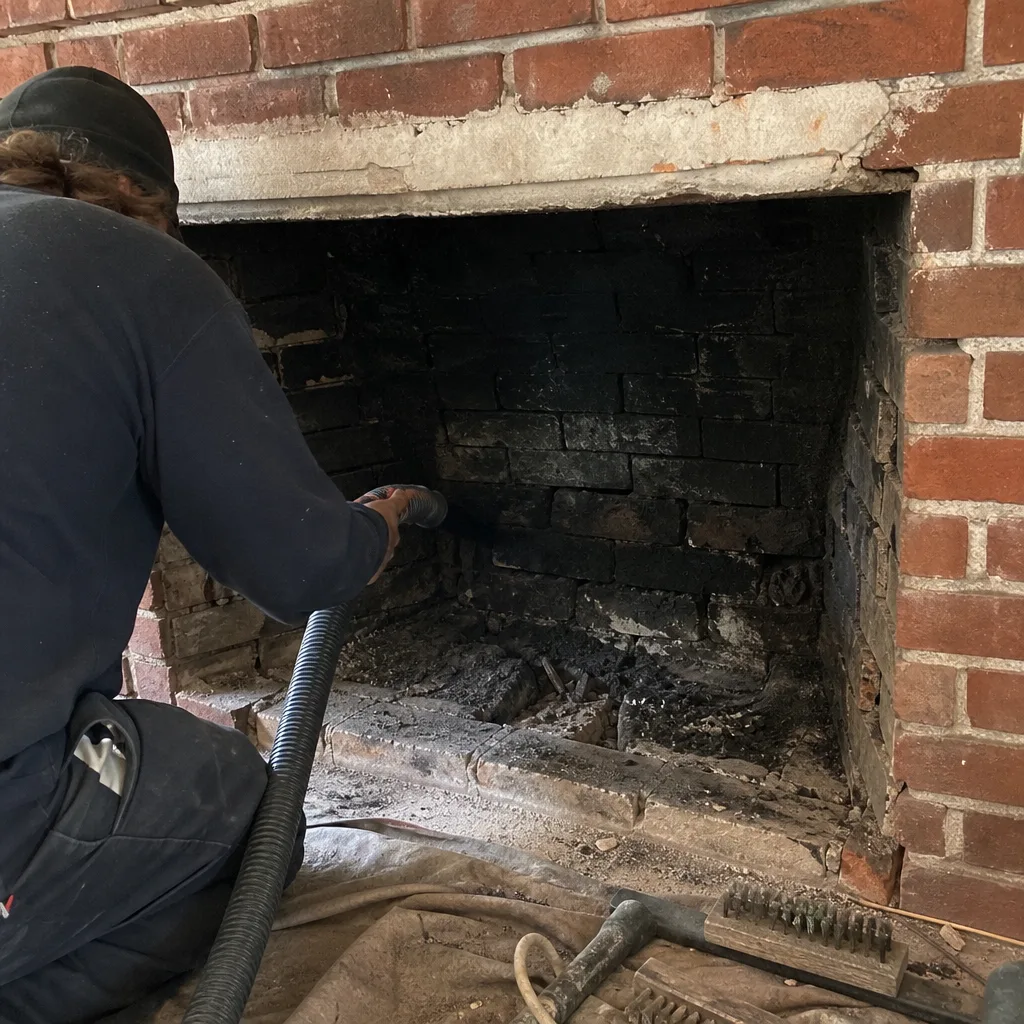
Chimney cleaning generates fine ash and soot. A shop vac in the living room is not acceptable. A proper setup uses a HEPA-rated, truck-mounted or high-volume vacuum with a seal at the firebox opening, so dust stays inside the chimney, not on your furniture or in your lungs. Ask. If the answer is vague (“we use a really good vacuum”), push for the specifics.
3. Are you insured, and can you show me the certificate?
You want general liability insurance and, if they have employees, workers’ compensation. A contractor working on your roof (caps, crowns, flashing) without liability coverage is a risk that lands on you if something goes wrong. Ask for the certificate of insurance. A qualified contractor will send it without hesitation. If they can’t or won’t, that’s your answer.
4. What documentation do you leave behind?
Ask what the completed job looks like in terms of paperwork: a written report, a photo record from the camera, a cleaning certificate with the date, a list of anything found during the inspection. The answer tells you whether they’re running a professional operation or a push-broom service. For comparison, our chimney sweep visit always includes a camera inspection and a photo report, because documentation is the job.
Red Flags Specific to the Tremont Market
Some hiring risks are universal. Others are particular to how chimney work gets sold in this part of New York, and those are the ones worth flagging plainly.
Door-to-door solicitation after a windstorm
When a storm blows through, chimney caps and crowns take damage. A crew that knocks on your door the next day, points at your chimney, and offers to fix it on the spot is not operating on evidence. They’re operating on the assumption that you’ll panic. A legitimate contractor will schedule an assessment and produce photos of what they found. They will not tell you what’s wrong with your chimney from the sidewalk.
Quotes without an on-site visit
A chimney repair quote given over the phone or by text, without anyone going up on the roof or running a camera, is a guess. Sometimes the guess is generous; more often it’s a low number designed to win the job and then trigger “unexpected” add-ons once the work is underway. There’s no honest way to price crown work or liner repair without seeing the chimney.
Cash-only pricing
Any contractor who wants cash, no receipt, and no written estimate is building in a way out of both the paperwork and the warranty. Pay by check or card, keep the estimate, and insist on a written contract. Cash-only chimney work is a red flag you shouldn’t ignore.
No written scope of work
A verbal “we’ll take care of it” is not a scope. The written estimate should say what will be done, with what materials, and to what standard. If they can’t write it down, they can’t be held to it.
Vague “your chimney needs work” warnings without photos
You’ve probably heard some version of “your chimney needs work” from someone who never showed you why. Insist on the evidence. A contractor who can show you a photo of what’s wrong is a contractor you can trust to fix it.
How to Read a Written Estimate
A written estimate is a document, not a courtesy. Reading it carefully is the difference between knowing what you’re paying for and finding out later. Here’s what should always appear, and what should make you push back.
Every line item on a good estimate includes four things: a description of the work, the materials and brands involved, the quantity or scope, and a price. Vague language is where trouble hides. “Chimney repair: $1,800” tells you nothing. “Replace damaged flue tiles, Section A, with HeatShield ceramic resurfacing, $1,800” tells you what you’re buying. We work with the brands the chimney industry trusts, including HeatShield and DuraFlex, because the materials matter as much as the labor, and a written scope that names them is a scope you can hold someone to.
Here’s what should always appear on a written estimate:
- Line-item pricing. Each task priced separately, not lumped into one number.
- Materials named. The brands and product types for any repair, cap, crown, or liner work.
- Scope and quantity. How many feet of liner, how much crown, which sections.
- What’s included in the inspection. Camera, photos, report, or all three.
- Exclusions. What the price does not cover.
- Warranty or workmanship language. What happens if something fails.
- Signature and date. Both of you sign. Keep your copy.
And here’s the vague language to push back on: “as needed,” “miscellaneous,” “additional work as required,” “prices subject to change.” Any of these means the price you’re quoted isn’t the price you’ll pay. Ask them to define the scope. A low-ball quote very often signals a visual-only inspection, with the real cost showing up once the work begins. A chimney cap & crown estimate that doesn’t name the material is exactly the kind to question. In our experience, an honest contractor will expand a vague line item rather than defend it.
What to Expect on the Day of Service
Knowing what a proper visit looks like lets you judge the job as it happens, not after. A real chimney sweep in Tremont starts before anyone touches a brush.
Setup comes first. Drop cloths go down over the floor and the furniture around the hearth. A vacuum with a seal at the firebox opening attaches before the brush goes up, so every particle of soot and ash is captured at the source. The work zone is taped off. The technician should walk you through what they’re about to do. If they start working without setup, or without a word, that’s a small signal about how the rest of the job will go.
Then the work itself: cleaning from the top down or bottom up (depending on the configuration and equipment), a camera run down the flue, an inspection of the crown and cap and flashing from the roof, and a check of the firebox, damper, and smoke chamber. Any issues found should be documented with photos and explained in plain language. Nothing should be recommended that can’t be shown.
Before the technician leaves, three things should happen:
- A walk-through of what was found, with the camera photos shown on-screen or sent to you.
- A written report: what was cleaned, what was inspected, what was found, what (if anything) should be addressed next.
- A conversation about anything that’s safe to defer, and anything that isn’t.
A completed job looks like this: the firebox is clean, the floor is clean, the report is in your hand, and you know exactly what your flue can and can’t safely handle. Anything less is a partial job.
What Documentation You Should Walk Away With
Documentation is the part of the job most homeowners don’t think to ask about until later. It should be a condition of the hire, not an afterthought. Here’s what a complete paper trail looks like.
- A written inspection report with the date, the technician’s certification, and the findings.
- Camera photos or video of the flue interior, not just a verbal description.
- A cleaning certificate with the date of service, which matters if you sell the home.
- A written list of recommendations, separated into “address now” and “monitor.”
- Material spec sheets for any repair work, naming the product (HeatShield, DuraFlex, and so on).
- Warranty terms for repair work, if any apply.
No recommendation should come without evidence you can see with your own eyes. That’s the standard we hold ourselves to at Chimney Sweep Tremont, and it’s the standard you should hold any contractor to. If a technician tells you a liner needs replacing but can’t show you the camera footage, ask to see it. If they tell you crown work can wait, ask them to explain why. A specialist will answer both questions without flinching.
Common Mistakes to Avoid
- Hiring the first crew that rings the bell. A knock on the door after a storm is an invitation to a sale, not an invitation to a fair price. Book an assessment, ask questions, then hire.
- Skipping the camera inspection to save the upcharge. If the price is lower without a camera, it’s a lower level of service, not a better deal. The camera is how you find out what the flue actually needs.
- Accepting a quote without a written scope. “We’ll handle the crown and anything else that comes up” is not a scope. Get it in writing, line by line, before work starts.
- Paying cash without a receipt. In a lightly regulated market like Tremont’s, the receipt and the estimate are your only protection if the work goes wrong. Insist on them.
- Believing “your chimney needs a full reline” without seeing the photos. A resurfacing system like HeatShield can often extend the life of a flue without a full reline, and the decision should rest on what the camera shows, not on what’s convenient to sell.
- Treating the cleaning certificate as a formality. It documents the state of your chimney at a point in time, which matters for resale, insurance, and your own records.
- Comparing only on price. A low quote usually reflects less inspection, cheaper materials, or no documentation. Ask what’s included before comparing costs. Our technicians have up to 14 years of experience, and that experience shows up in what gets checked, not just in what gets cleaned.
When to Call a Professional
Some chimney issues are routine and can wait. Others need a professional visit, and quickly. Call a professional if you smell smoke in the room when the fireplace is burning, if you see cracks in the flue tiles or the mortar around your chimney, if the crown is crumbling or the cap is missing, if there’s water staining on the chimney breast or ceiling below, if your smoke alarm or carbon monoxide detector has gone off, or if it’s been more than a year since the last sweep. Wood-burning fireplaces should be swept annually. Gas appliances should be inspected too. Ignoring these signs doesn’t make them safer.
Chimney Sweep Tremont offers free estimates in Tremont. Call (844) 979-4331 to book. Full-system chimney specialists handle the sweep, the inspection, the cap and crown work, and the repair from one company, so nothing gets missed between contractors.
See the difference
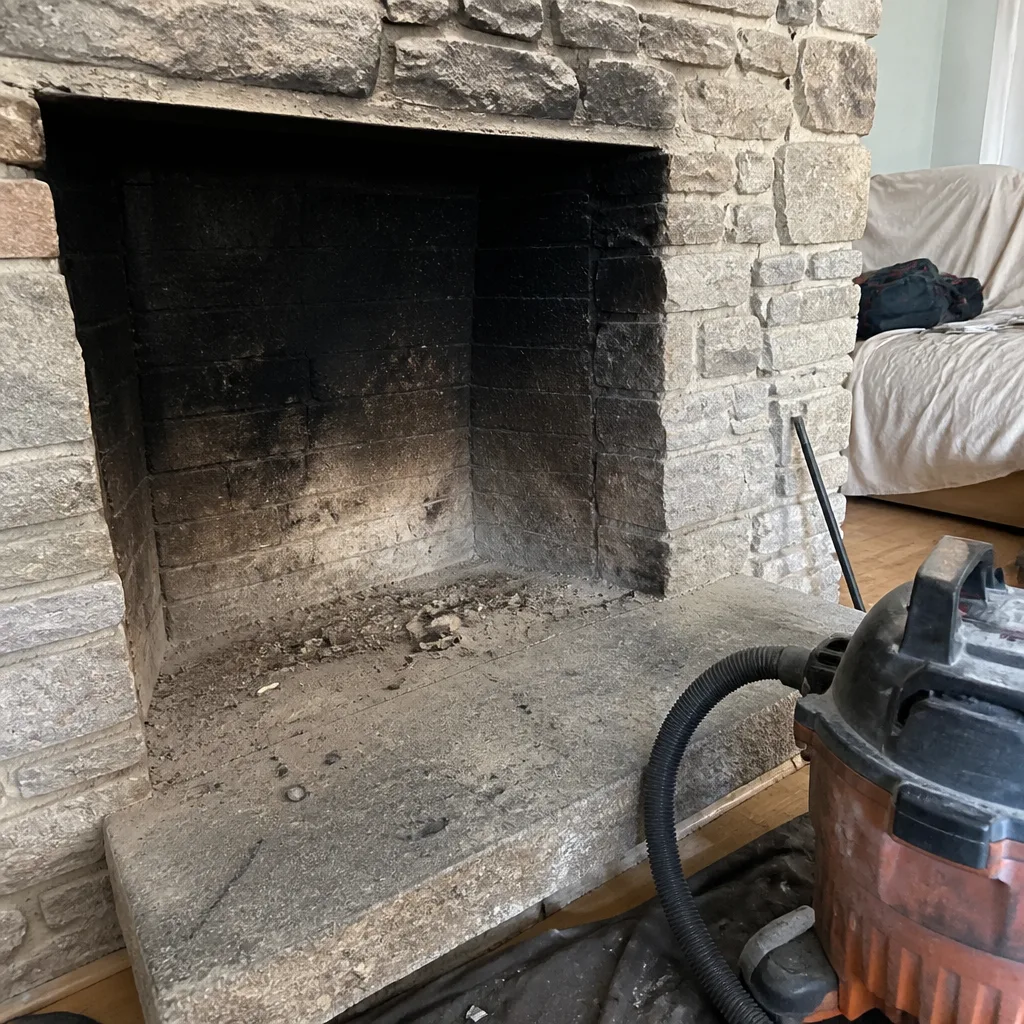 Before
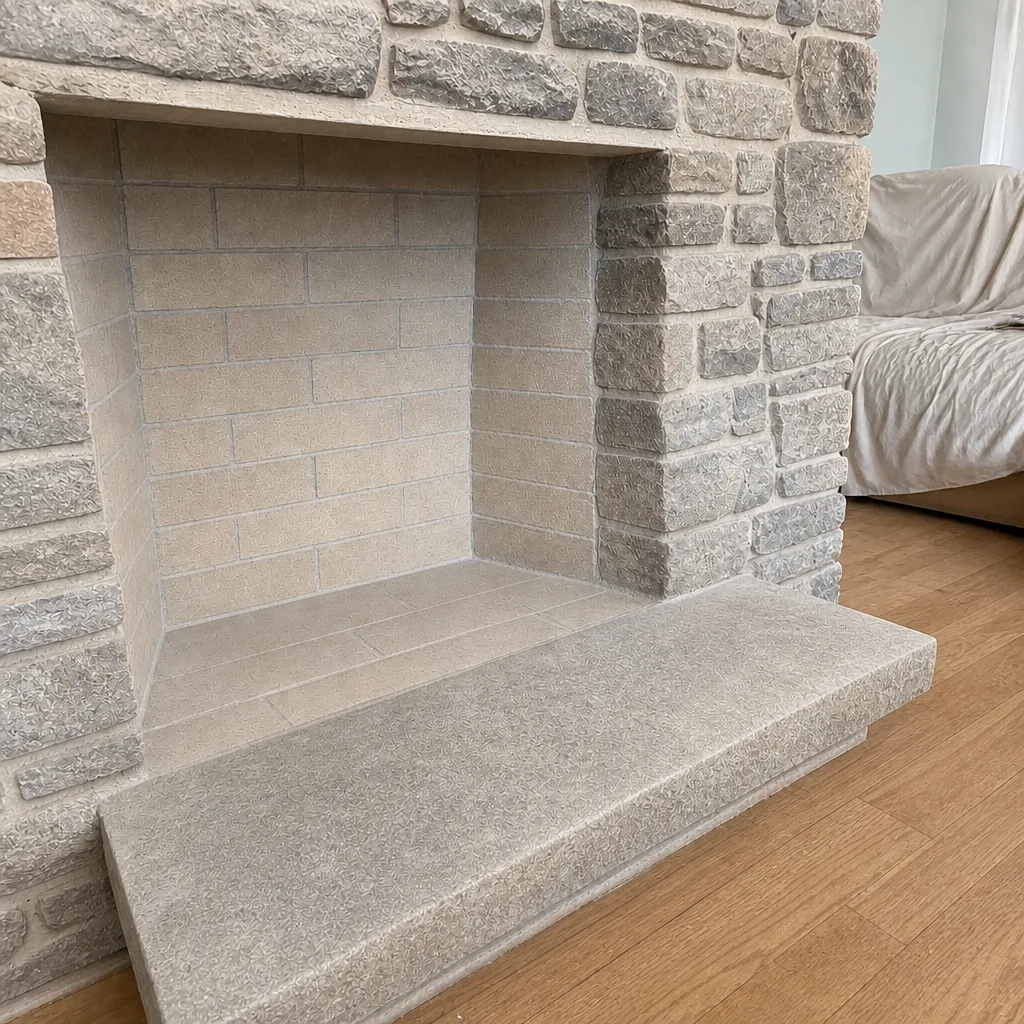 After
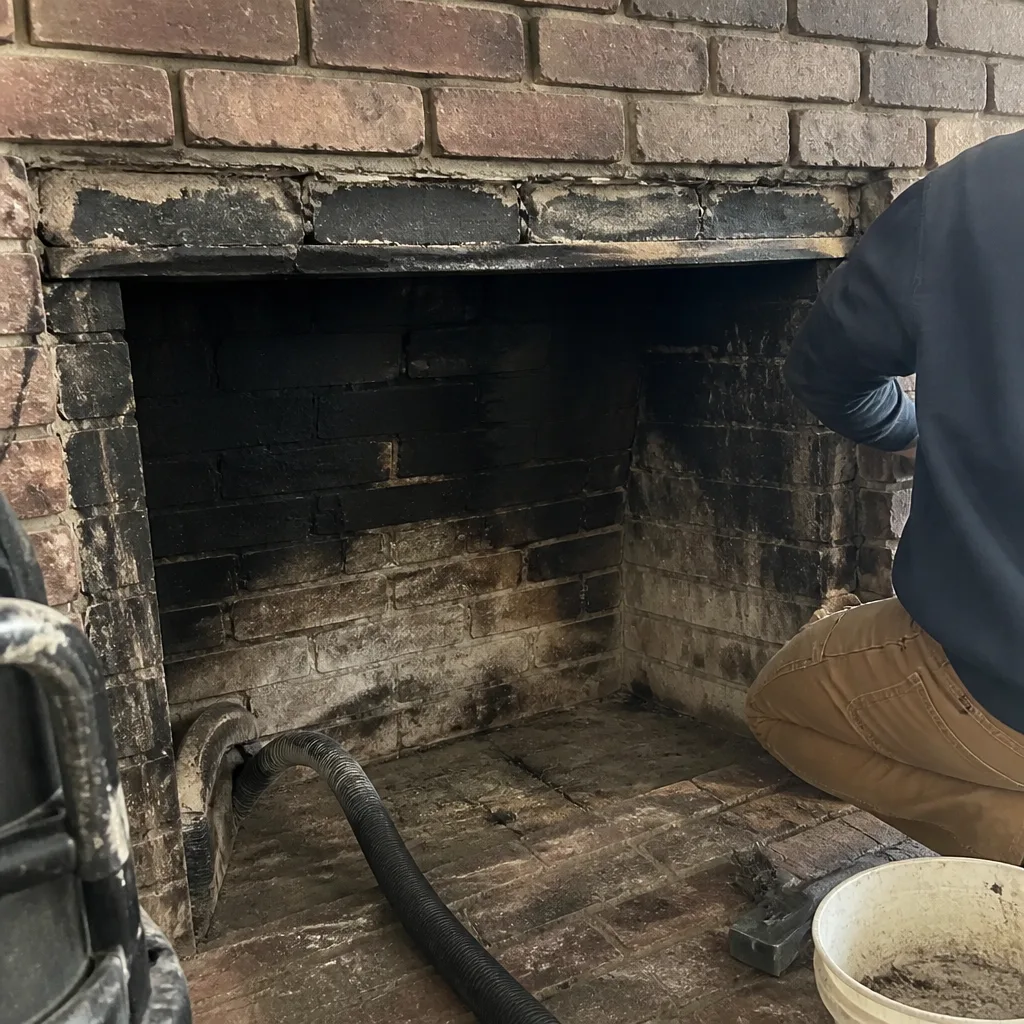 Before
 After
 Before
 After
Frequently Asked Questions
Chimney sweep pricing in Tremont typically depends on the configuration and condition of the flue, whether inspection is included, and any repair work discovered. We don’t quote over the phone; a written estimate after the assessment sets the final price. Call (844) 979-4331 for a free estimate. The number doesn’t have to be a mystery; it’s just not one worth quoting blind.
Not always. Whether a chimney needs a new liner depends on the condition of the flue, which is why the camera inspection matters. A ceramic resurfacing system may be able to extend the life of a flue without a full reline when the structure allows it. Any recommendation should come with photos you can see yourself, and a good contractor will tell you plainly when the work can wait. Call (844) 979-4331 for a free estimate.
Wood-burning chimneys should be swept annually, and gas appliances should be inspected annually as well. The right answer also depends on how much you burn, the type of wood, and the appliance, so a yearly assessment is the safe baseline. Call (844) 979-4331 for a free estimate.
Creosote builds up in the flue with every fire, and at enough thickness it can ignite, which is the mechanism behind most chimney fires. Blockages from soot, animal nests, or a degraded liner can push exhaust back into the home, which is a carbon monoxide concern. Skipping the sweep doesn’t make the chimney safer; it just hides the risk. Call (844) 979-4331 for a free estimate.
You should look for CSIA Certified Chimney Sweep and NFI certification, and you should verify them on the certifying bodies’ own websites rather than trusting the business card. Both credentials have public directories. A certification that isn’t current or can’t be found in the directory shouldn’t count. Even in Tremont, where new licensing rules don’t apply, these are the credentials that distinguish a specialist from a generalist.
Yes. The camera inspection is the difference between a cleaning receipt and a real assessment of your chimney’s condition. It’s how a technician finds cracks in the flue, debris in the smoke chamber, or deterioration in the liner that can’t be seen from the firebox. Our chimney sweep visit includes the camera inspection and a photo report. Ask any contractor you hire whether it’s included, and what documentation you’ll walk away with.
The Bottom Line
Hiring a chimney contractor in Tremont comes down to four things: verified credentials, a camera inspection that’s included rather than upsold, four answered phone questions, and a written scope of work you can read line by line. Skip anyone who quotes without seeing the chimney, solicits door to door, or wants cash without paperwork. The trade’s light regulation in New York doesn’t mean quality is random. It means the homeowner has to ask better questions than they would elsewhere, and ask them before the work starts. Once you know what to look for, the hiring decision gets much simpler. When you’re ready, we’re here.
Contact
Chimney Sweep Tremont is a full-system chimney specialist handling sweeps, inspections, chimney caps and crowns, liner repair, and fireplace repair, so your entire chimney is covered by one company. We work with the brands the chimney industry trusts, including DuraFlex, HeatShield, and Olympia Chimney. Our technicians have up to 14 years of experience. To book a free estimate, call (844) 979-4331. We answer 24/7. Fast dispatch from 7am to 7pm, Sunday through Friday. A call outside dispatch hours is booked into the next opening.
Written by the team at Chimney Sweep Tremont.