
Last updated November 25, 2026
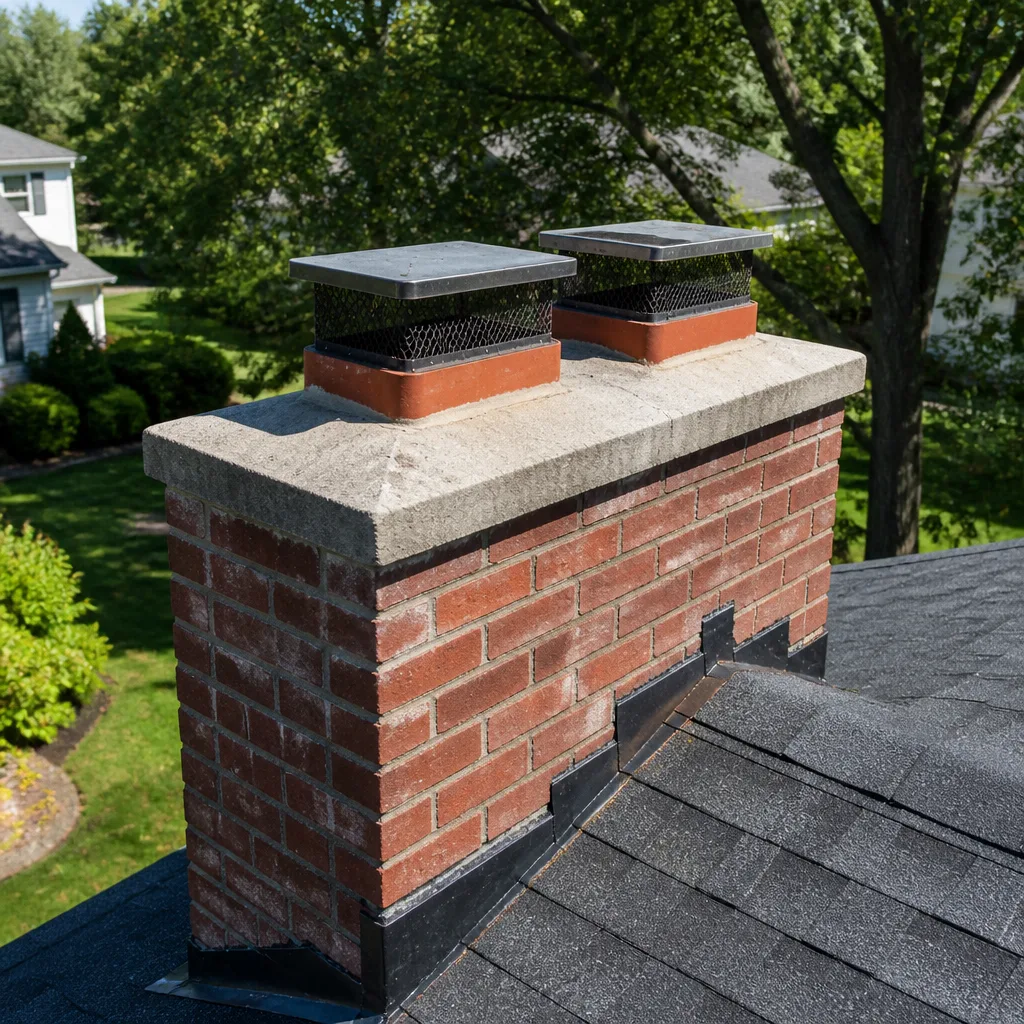 Sweep & inspection
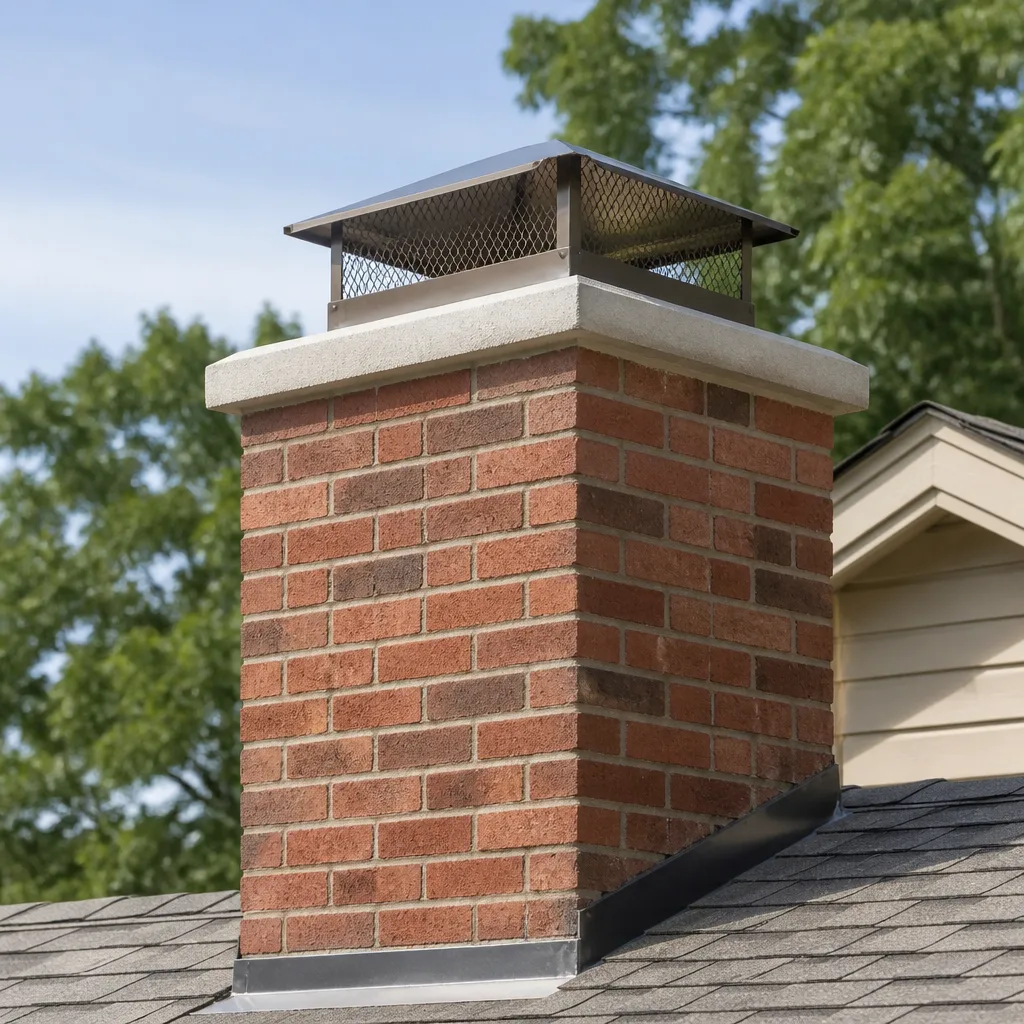 Caps & crowns
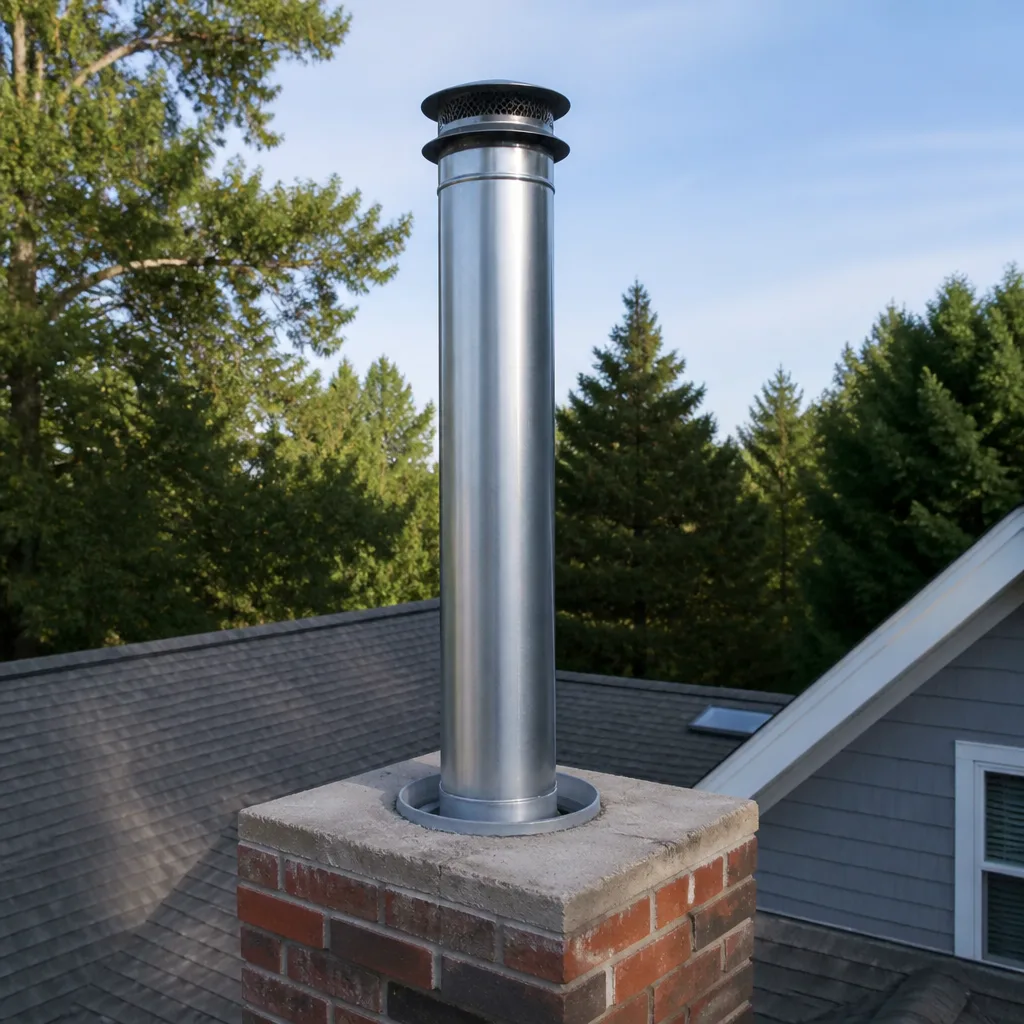 Flue relining
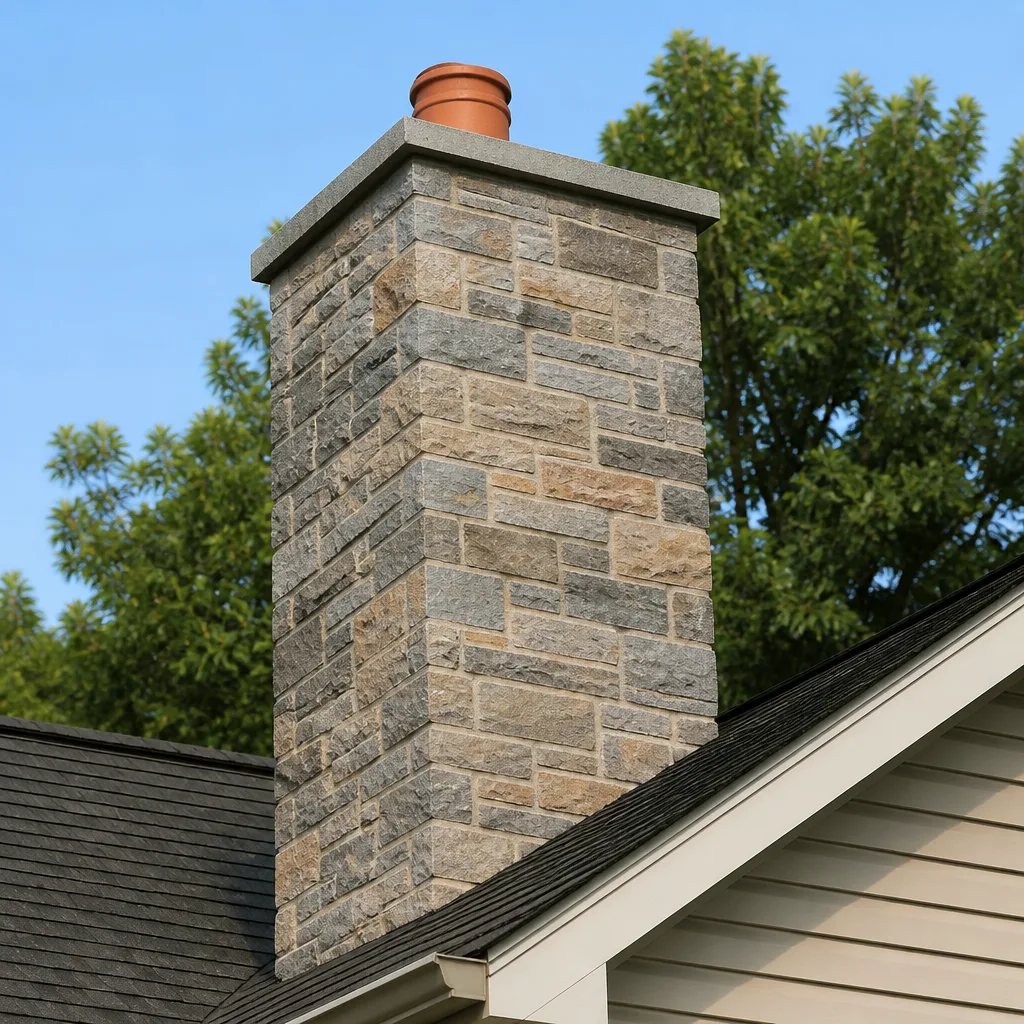 Masonry repair
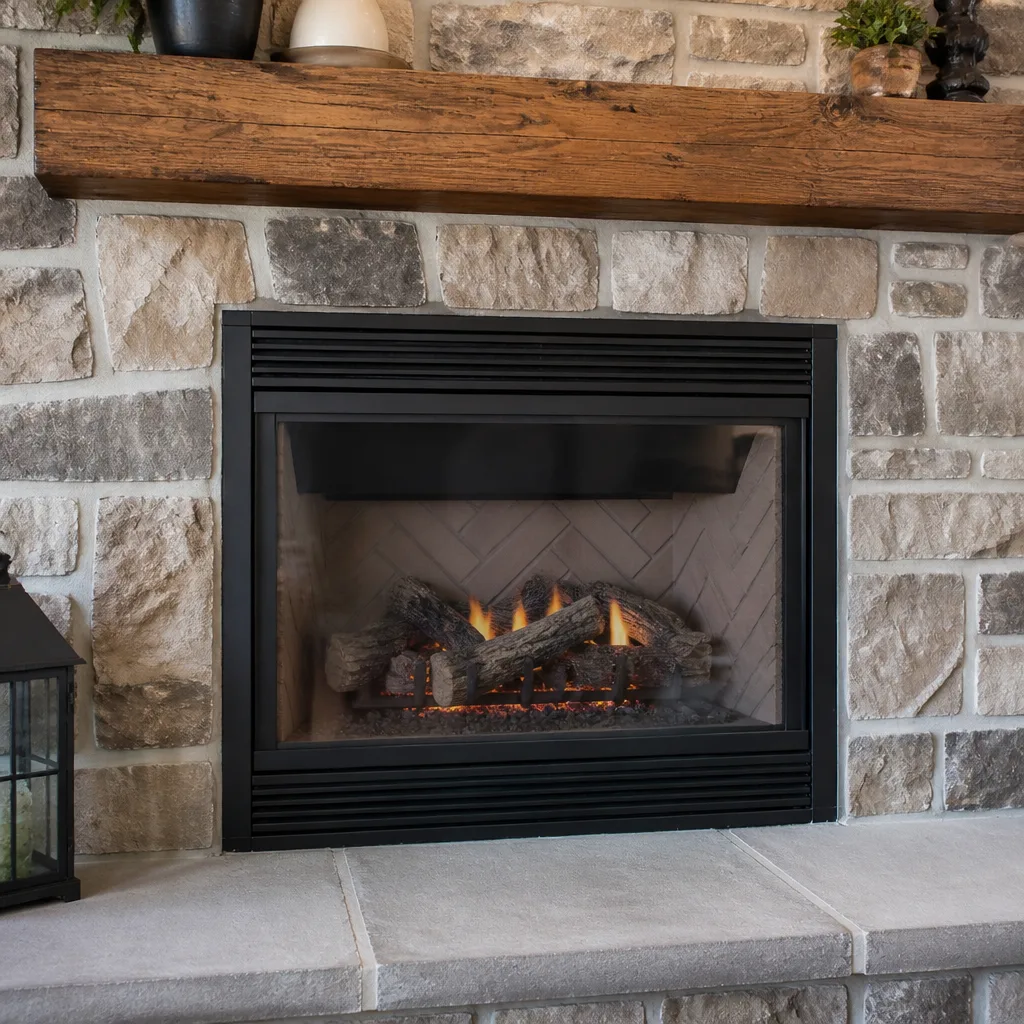 Gas fireplace service
Level 1 sweep and inspection to the NFPA 211 annual standard - flue, crown, cap, and flashing checked and photographed
Chimney sweep logs do not sweep chimneys. They loosen some creosote - which then falls where a brush and vacuum still have to collect it.
Chimney Sweep Maintenance Checklist for Tremont Homeowners
Most chimney maintenance checklists online are so vague they’re useless. “Inspect your chimney” isn’t actionable. Neither is “watch for creosote buildup” if nobody tells you what buildup actually looks like or where it hides. Here’s the alternative: a task-by-task checklist with observable pass/fail criteria, written precisely enough that you can check most of it yourself from the firebox opening and the ground. You’ll learn what an actual sweep examines, what to confirm before you sign off after a service visit, and how to keep records that track your chimney’s condition year over year. We’re writing this from Tremont, where wood heat earns its keep in January and the housing stock runs old.
Quick Answer
A complete chimney maintenance checklist for a Tremont homeowner has five parts: a pre-season inspection you can safely do from the firebox opening, a professional sweep once a year (or more if you burn heavily or use unseasoned wood), post-sweep verification of what was actually done, an annual ground-level cap and crown check with binoculars, and a written record you keep and update each year. If you burn wood as your primary heat, expect to sweep more often than the once-a-year baseline. Everything else hangs off those five habits.
Styles & brands we work with
- Sweep & inspection
- Caps & crowns
- Flue relining
- Masonry repair
- Gas fireplace service
Table of Contents
- Pre-Season Checklist: What You Can Check Safely
- Post-Sweep Verification: What to Confirm Before You Sign Off
- Cap and Crown Inspection From the Ground
- Firebox Mortar Joints and What Spalling Actually Looks Like
- Annual Record-Keeping: Track Degradation Over Time
- How Often to Schedule a Sweep in Tremont
- Common Mistakes to Avoid
- When to Call a Professional
Pre-Season Checklist: What You Can Check Safely
Before you call anyone, you can gather real information from the firebox opening without climbing, reaching into the flue, or touching anything you can’t see. This walkthrough takes ten minutes and gives you a starting point for a conversation with a sweep. Do it before the first cold stretch, ideally in late summer, when the chimney is clean of last season’s soot and easier to read.
- Open the damper and check the plate. Move it through its full range. It should open and close smoothly and seat flush at both ends. A damper that sticks, drops short of the closed position, or won’t open fully means heat escaping up the flue or smoke spilling into the room. Both are worth flagging.
- Look up the flue with a flashlight. You’re not diagnosing anything. You’re looking for black, glossy glaze on the liner walls (that’s creosote), visible cracks or gaps in clay tile joints, and daylight where there shouldn’t be.
- Shine light into the smoke shelf. The smoke shelf is the ledge at the back of the firebox where the damper sits. Debris collects there: leaf litter, bird nesting material, soot ridges. If it’s packed, draft suffers. Note what you see.
- Check the firebox for obvious cracking. Hairline surface cracks in firebrick mortar are common and often benign. Gaps wide enough to slide a fingernail into are a different story. Note both.
- Smell the firebox when cold. A sharp, acrid smell in a cold chimney often points to creosote. A smoky smell can mean weak draft or a partially blocked flue.
Write down what you find using plain words. “Black glaze visible about a foot above the damper” is more useful to your sweep than “flue looks dirty.” If any check makes you nervous, stop. A flashlight walkthrough is safe; reaching into a flue or standing on a roof is not, and we’ll explain why further down.
Post-Sweep Verification: What to Confirm Before You Sign Off
A sweep is a service, not a favor. Before you sign the invoice, you should know what was done and have a way to confirm it. These are the specific things to ask about and check for. Our technicians have up to 14 years of experience, and in that time the difference between a documented sweep and an undocumented one becomes obvious the first time a homeowner needs records for an insurance claim or a real estate transaction.
- Written documentation of the visit. A written report should note the date, what was swept, what was found, and what (if anything) was recommended. A receipt that says “chimney cleaned” tells you nothing about condition.
- Photos of the flue before and after. This is the single most useful record you can keep. A camera inspection lets you see the liner interior yourself. If a sweep can’t or won’t photograph the flue, that’s worth asking about.
- Brush log against flue length. The sweep knows the flue length from the outside (roof line to firebox). A flue that should be, say, twenty feet should require enough brush rod to reach the bottom. If the number of rods used seems short relative to the height, ask why.
- Confirmation of what was swept. Flue, smoke chamber, and firebox are separate items. Confirm all three were addressed, not just the flue.
- Cleared debris. Ask where the swept material went and confirm it was removed from the home, not left in the firebox.
- A plain-language account of any recommended repair. If anything structural came up, the recommendation should be tied to something specific the sweep saw, not a general suggestion that the chimney “needs work.”
If you’re having a sweep come out for the first time, this verification step is also when you’d ask for details about the full-system scope. One company that handles the sweep, inspection, cap, crown, and any liner work keeps everything under one set of records. That’s how we structure our chimney sweep visits, and it’s why the documentation matters.
Cap and Crown Inspection From the Ground
You don’t need a ladder to learn a lot about your chimney’s top. With a decent pair of binoculars and a clear line of sight from the yard or the sidewalk, you can assess the cap and crown twice a year. This is one of the highest-value checks a homeowner can do, because a damaged crown is one of the most common causes of water intrusion down the flue.
The crown is the concrete or masonry surface at the very top of the chimney, sloped to shed water away from the flue opening. The cap is the metal or masonry cover over the flue itself, usually with a spark screen. From the ground, check both.
- Hairline cracks in the crown: surface weathering, extremely common in Tremont’s older masonry stock, and usually benign if they haven’t widened. Note them and watch them.
- Cracks wider than a pencil lead: structural concern. Water gets in and, when it freezes and thaws through a Tremont winter, widens the crack further. This pattern spreads.
- Crown crumbling or pulling away from the flue: the crown is no longer doing its job. Get it assessed.
- Broken or missing cap: rain, birds, and squirrels have open access to the flue. A cap that’s bent, detached, or has a torn screen should be replaced.
- Rust streaks on the flue tile: often a sign water is getting in above and running down behind the liner. Worth a professional look.
After a hard winter, repeat this inspection. Frost cycles reveal weaknesses that a summer inspection misses. If a cap or crown issue shows up, that’s not a job for a homeowner on a roof. The work of a cap and crown repair is physical and urgent only in the sense that water intrusion compounds. Our chimney cap & crown work is set up to handle this as a single visit rather than coordinating a roofer and a mason.
Firebox Mortar Joints and What Spalling Actually Looks Like
The firebox takes the most abuse of any part of your chimney: direct flame, thermal cycling, and years of hot-and-cold. The joints between the firebricks are what hold it together, and they’re the first to show wear. Here’s the finger-width test, which is a quick and reliable way to test whether a joint needs attention.
- Wait until the firebox is cold. At least twenty-four hours after the last fire.
- Run a finger along the mortar joints. You’re not pushing hard. Just feeling for depth.
- Assess the gap. A joint that’s flush, dark, and firm is fine. A joint where your fingertip sinks noticeably below the brick face, or where the gap is wide enough to see daylight through in a lit firebox, is degraded mortar. The rule of thumb: if the joint is deeper than the width of a fingernail (roughly a quarter inch), it needs repointing.
- Look for spalling brick. Spalling is when the face of a brick flakes, peels, or pops off in layers. You’ll see flat, shiny surfaces where the outer skin is gone, or brick faces that have broken away altogether. Surface dusting is normal wear. Flaking and popping are not.
Tremont has a lot of century-old houses, and a fair share of fireboxes in this town are still on their original mortar. Repointing those joints with the right refractory mortar is a manageable repair. Ignoring them lets heat and moisture work into the brick behind, which is a much bigger job later. If the firebox is showing real spalling or finger-width gaps, get it looked at before you run the stove hard again.
Annual Record-Keeping: Track Degradation Over Time
Every year, after the sweep and inspection, add one page to a file. Over five or ten years, that record becomes the single most useful document you have about your chimney. It’s also the document an insurance company will want if a claim ever comes up, and the one a buyer asks for at a home sale.
What to document each year:
- Date of the sweep and the name of the company. Simple but easy to forget.
- Creosote stage noted. Most sweeps rate creosote by stage (Stage 1 is light soot; Stage 2 is flaky and layered; Stage 3 is the glazed, hardened material that requires more aggressive removal). The stage tells you whether your burning habits are trending one way or another.
- Any repairs recommended, and whether they were deferred, declined, or done. A recommendation deferred two years in a row is a different signal than one done immediately.
- Photos of the flue and firebox. Keep them on file, labeled by year. The point is comparison.
- Any new cracks, spalling, or cap damage seen. If a hairline crack shows up in 2024 and is a wider crack in 2026, that’s information. Without the photo, you’d never know.
- Any change to your burning. Seasoned vs. unseasoned wood, how much you burned, whether you switched to gas logs, anything that might explain a shift in creosote.
Stack the pages in a folder, or keep photos in a dated album. Either works. The act of comparing is what matters. When the recommendation finally comes to reline a flue, you want to know how long the deterioration has been visible. HeatShield ceramic resurfacing, which extends flue life when the structure allows it, is decided partly on that history. Our chimney repair side of the business routinely reviews homeowner records like this before recommending a fix.
How Often to Schedule a Sweep in Tremont
The baseline answer most sources give is once a year. In practice, scheduling in Tremont should track how you actually burn. The annual sweep is the right default, but several factors push the interval shorter.
- Wood as primary heat: sweep more often. A house that runs a fire daily through the cold months builds creosote faster than a house with a decorative fireplace.
- Unseasoned wood: wet wood burns cooler and leaves more creosote. If your firewood wasn’t split and stacked for a full year under cover, plan for a mid-season inspection.
- Gas fireplace: annual inspection still applies. Gas chimneys don’t build creosote the way wood does, but they can develop other issues (blocked vents, deteriorated liners, animal intrusion) that a sweep check would catch.
- First year in the house: sweep and inspect immediately, before the first burn, regardless of what the seller told you.
- After any chimney fire, even a small one: sweep before burning again. No exceptions.
When you book the sweep, book the inspection at the same time. A sweep that finishes with “it’s clean, you’re good” and no documentation is exactly the pattern the checklist above is designed to catch. If you want a second look at a recommendation before acting on it, that’s a normal request. A camera inspection lets you see the liner yourself. Nothing is urgent about most chimney repairs, and a specialist should say so when it’s true.
Common Mistakes to Avoid
- Skipping the inspection and just asking for a “cleaning.” A sweep without an inspection tells you the flue is clear but not whether it’s safe. Ask for both, and ask for documentation of what was found.
- Signing off on a service with no written report. A receipt with no record of condition leaves you with no baseline. If a repair is recommended six months later, you have nothing to compare against.
- Climbing on the roof yourself to “just check the cap.” This is the single most common way homeowners get hurt around chimneys. Roof angles, weather, and chimney-tops are a bad combination. Binoculars from the ground get you 80% of the information safely.
- Ignoring spalling brick because it “looks like old brick.” Spalling is different from normal aging. Flaking brick faces with a shiny surface underneath are a sign the brick is failing, and it doesn’t improve with time.
- Burning unseasoned wood to “use what’s there.” Cool fires build creosote faster than hot ones. If the wood isn’t dry, the flue pays for it.
- Waiting until the first cold snap to schedule. Fall is when everyone in Tremont books their sweep. Late summer is a calmer time to get on the calendar.
- Treating the smoke shelf as a display area for holiday décor or spider webs. Debris in the smoke shelf hurts draft and gives a fire less oxygen. It should be clean and unobstructed.
When to Call a Professional
Some chimney issues are for you. Others are for a trained technician with the right tools and training. Here’s where the line sits.
Call a professional if you see any of the following: creosote that’s glazed, hardened, or layered (Stage 3), gaps wider than a fingernail in the firebox joints, spalling brick, cracks in the crown wider than a pencil lead, a cap that’s broken or missing, daylight visible through the flue when you shine a light up, a fire that smokes into the room, or any suspicion that a chimney fire has occurred. Call before the next burn, not after. These aren’t emergencies in the burn-your-house-down sense, but they’re the kind of thing that compounds if ignored.
For a Tremont chimney that needs assessment, repair, or a full-system review, Chimney Sweep Tremont offers free estimates. Call (844) 979-4331. We answer 24/7. Fast dispatch from 7am to 7pm, Sunday through Friday. Same-day service and a written estimate before any work starts. Nothing is recommended without camera evidence you can see for yourself.
For a broader look at our work in town, see Chimney Sweep Tremont.
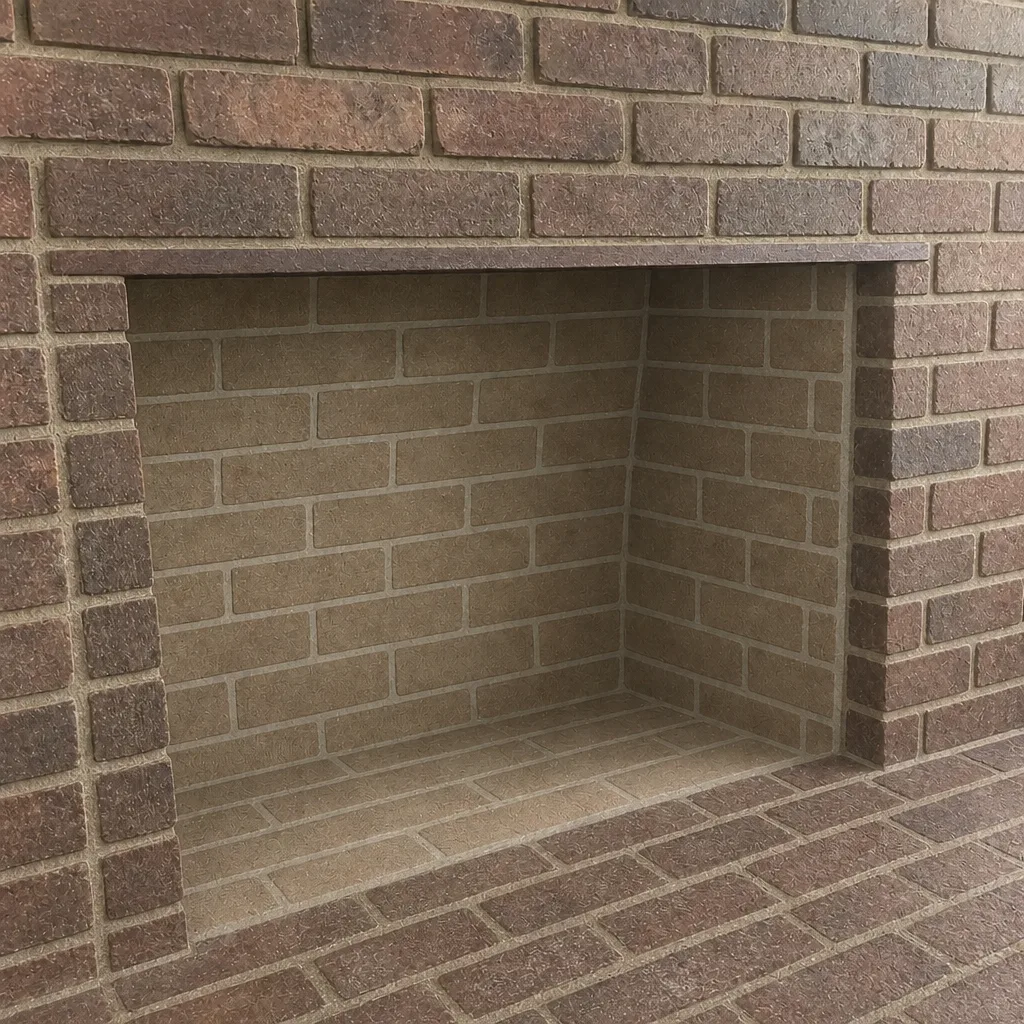
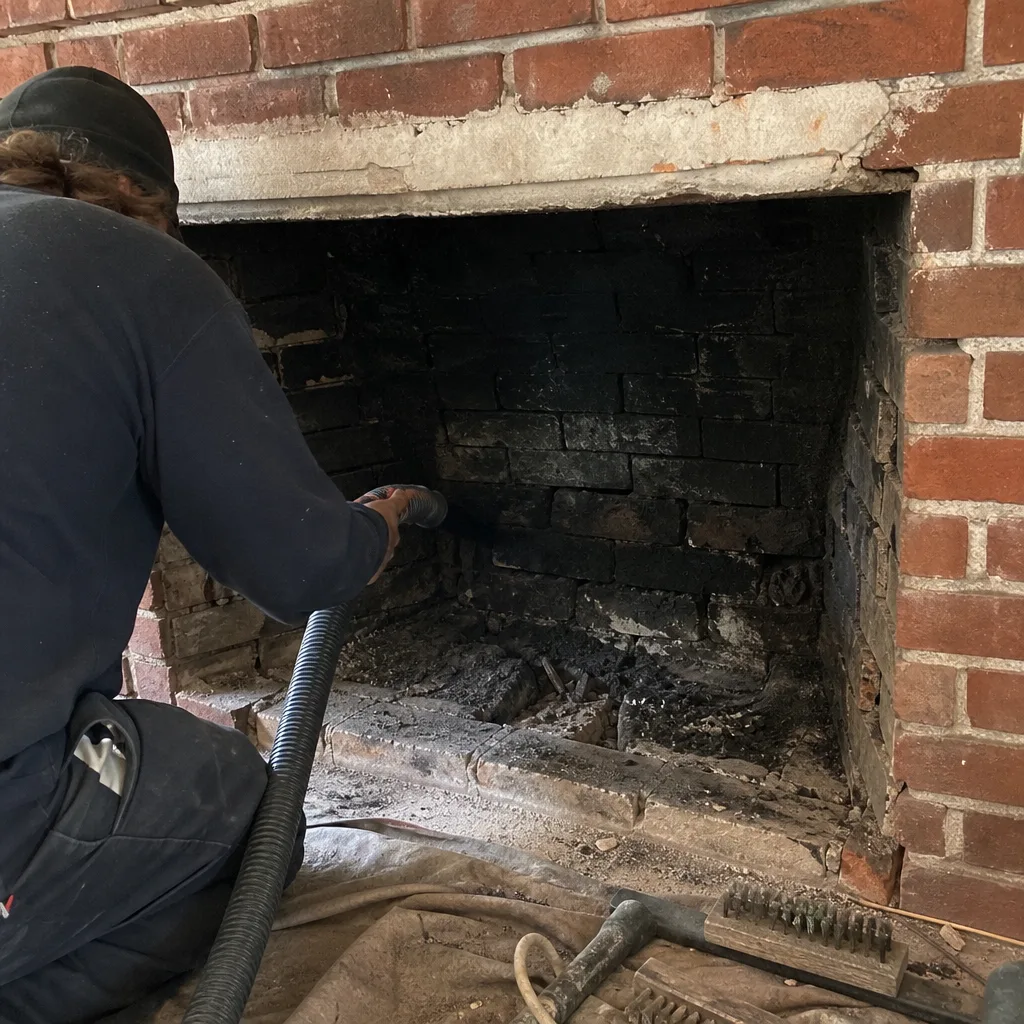
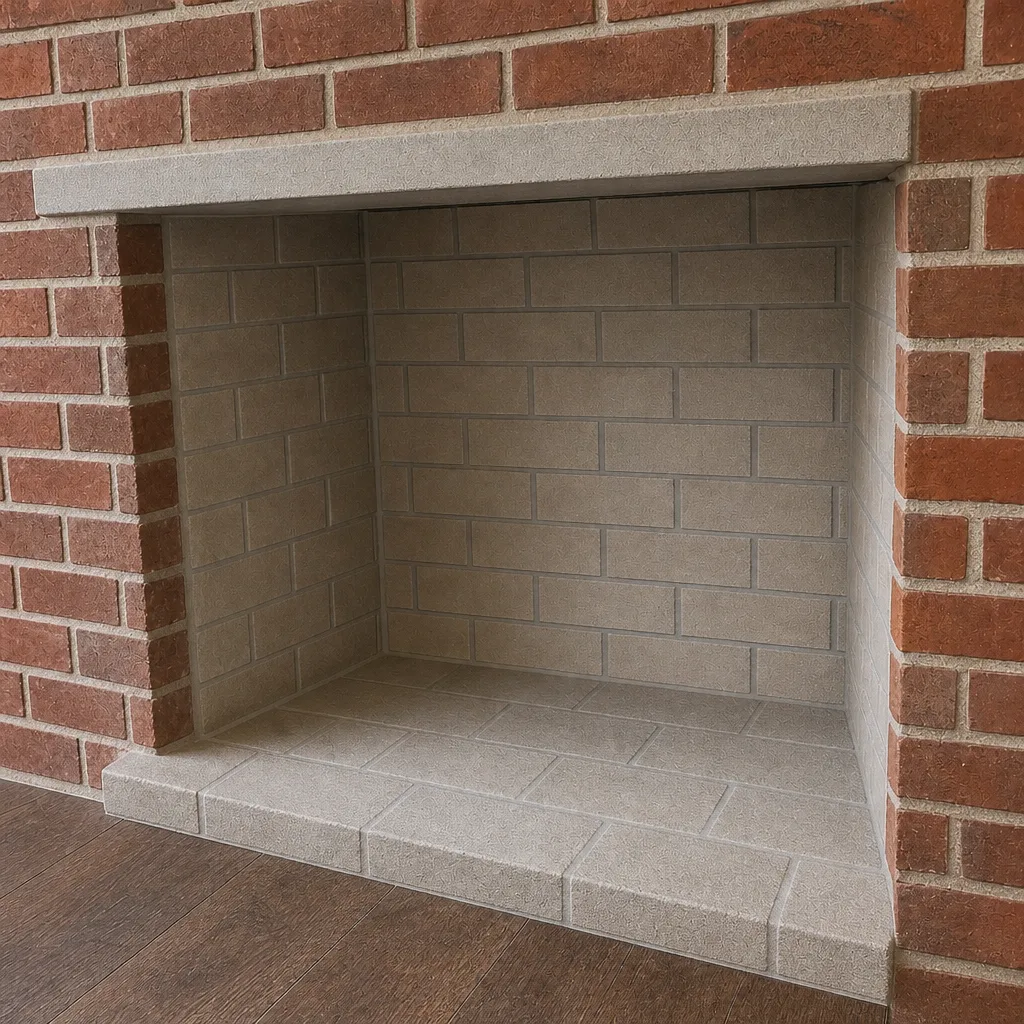
See the difference
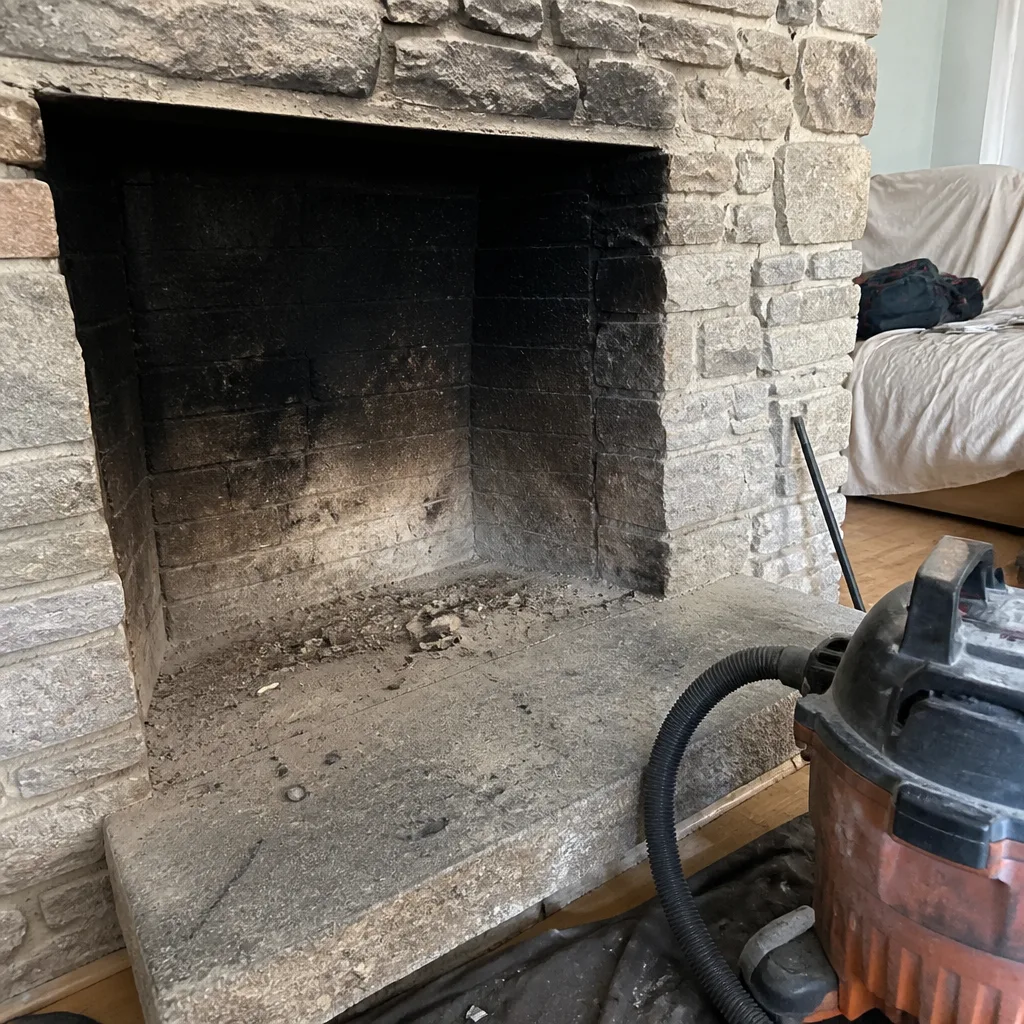 Before
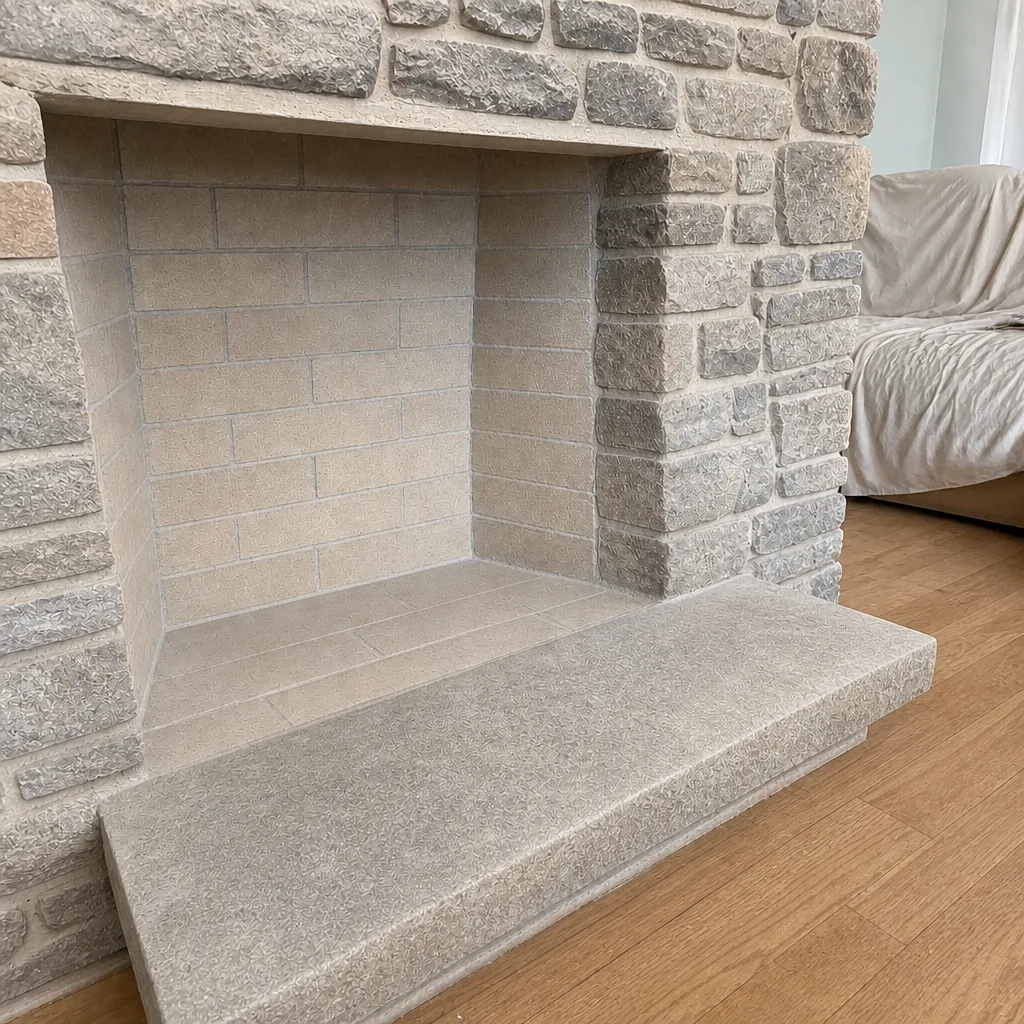 After
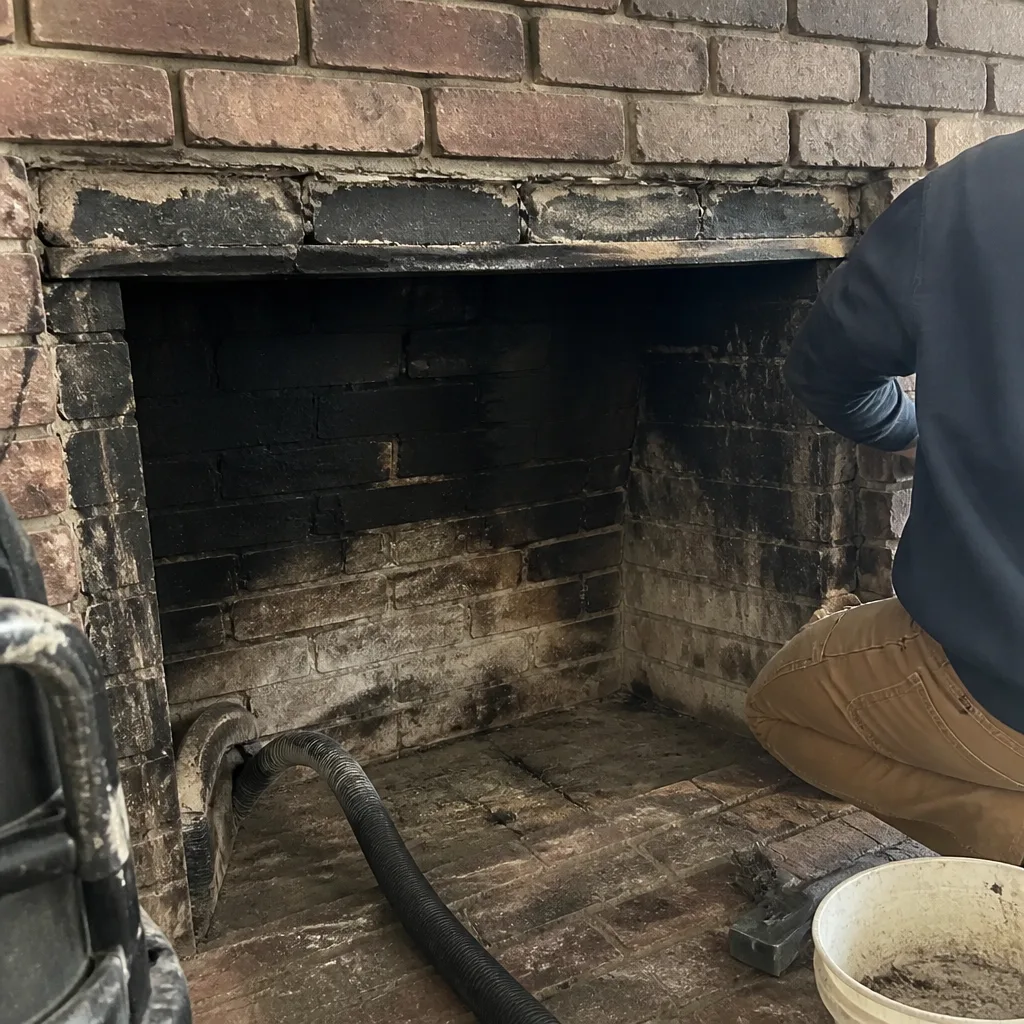 Before
 After
 Before
 After
Frequently Asked Questions
Most Tremont homes should have a sweep and inspection once a year, before the burning season. Houses that burn wood as primary heat, burn frequently through the winter, or use unseasoned wood should plan for a mid-season check as well. The right interval depends on how much and what you burn, and a documented sweep from the prior year tells you what to expect on the next one.
Yes. A cleaning tells you the flue is clear; an inspection tells you whether it’s safe. The inspection catches cracks, liner deterioration, cap damage, and mortar issues that a sweep alone won’t surface. Ask for documentation of what was found, not just the fact that it was cleaned. Call (844) 979-4331 for an exact quote – estimates are free.
Spalling is when the face of a firebrick flakes, peels, or pops off in flat, shiny layers, leaving the brick’s inner texture exposed. Normal wear looks like dusting or darkening. Spalling brick signals that heat and moisture have worked into the brick, and it doesn’t reverse itself. Wide firebox mortar joints and spalling brick should both be assessed before the next burn season.
You can assess a lot of the crown from the ground with binoculars. Look for hairline cracks (common, usually weathering), widening cracks (structural concern), and any separation between the crown and the flue tile. What you shouldn’t do is climb up to check. Rooflines are steep in Tremont, and chimney-top work is genuinely dangerous. Ground-level observation plus a professional assessment is the safe combination.
Confirm three things: a written report of what was found, photos of the flue interior, and a clear note of any repairs recommended. If any brush work was done, ask how the number of brush rods used relates to the flue length. If the sweep can’t or won’t share those details, ask why before you sign. Call (844) 979-4331 for any follow-up questions about what a documented sweep includes.
Creosote builds up, draft gets worse, and the risk of a chimney fire rises. Separately, cracks and mortar issues that would be small repairs get worse through Tremont’s freeze-thaw winters, which can mean a bigger repair later. A skipped year isn’t a catastrophe, but two or three skipped years in a row compound quickly. Call (844) 979-4331 to get back on schedule.
The Bottom Line
A chimney maintenance checklist is only useful if it tells you what to look for, not just that you should look. Walk through your firebox with a flashlight before burning season. Shine a light up the flue and note what you see. Check the cap and crown from the ground with binoculars twice a year. Run your finger along the firebox mortar joints and look for spalling. Book the sweep and the inspection together, and confirm what was actually done before you sign off. Keep a written record each year, with photos. The five habits catch most of what matters, and the documentation backs you up when a recommendation comes in that you want to verify.
We work with the brands the chimney industry trusts – DuraFlex, HeatShield, Olympia Chimney, and Copperfield – because the materials matter as much as the labor. If your walkthrough turns up something that needs a specialist look, or if you want a free estimate for a sweep or repair, call (844) 979-4331. We answer 24/7. Fast dispatch from 7am to 7pm, Sunday through Friday.
Written by the team at Chimney Sweep Tremont.