
Last updated November 25, 2026
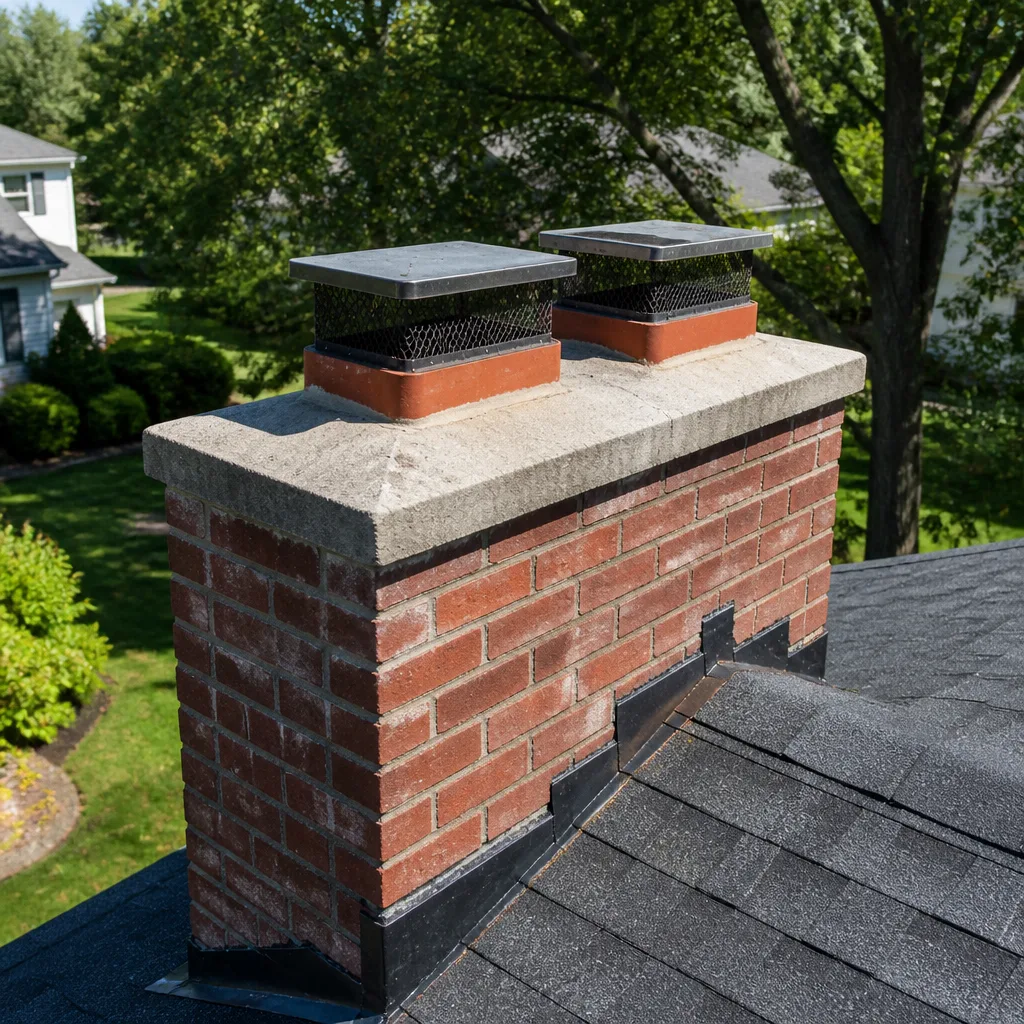 Sweep & inspection
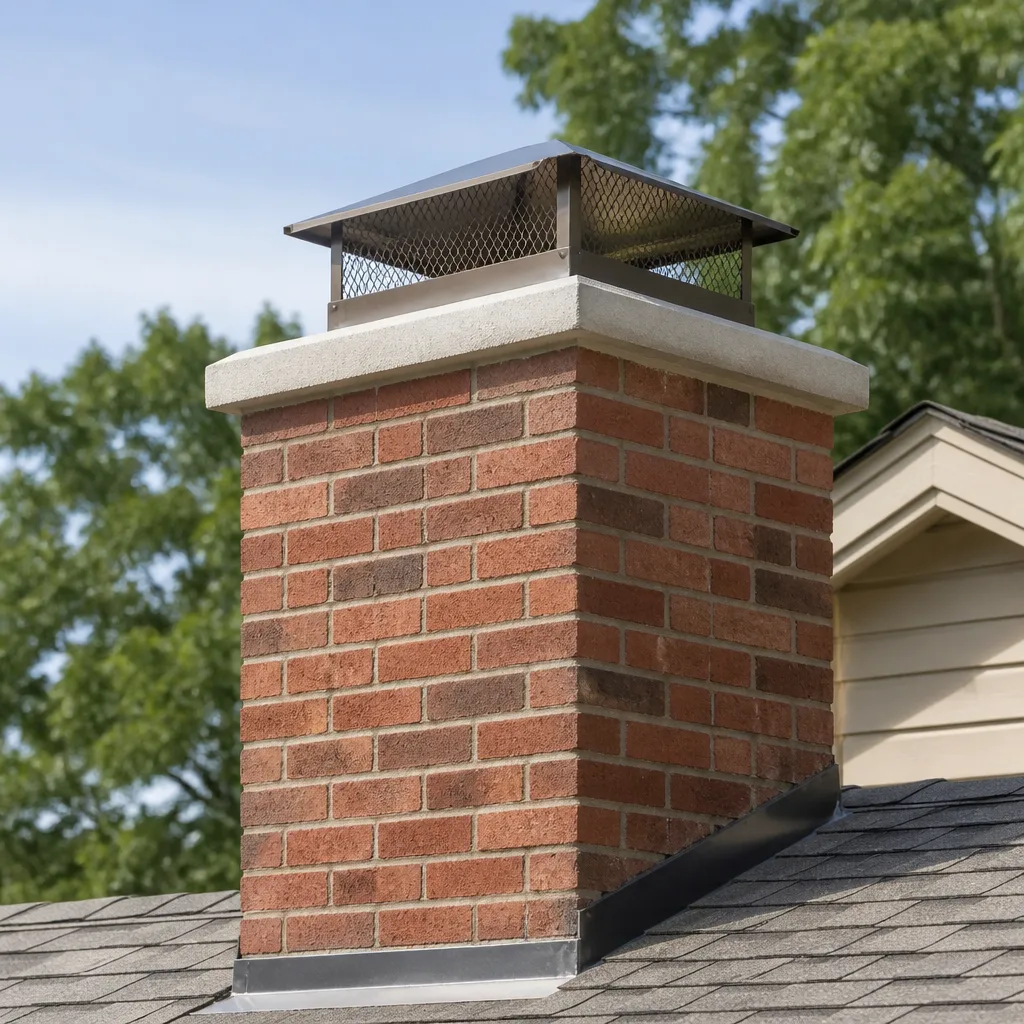 Caps & crowns
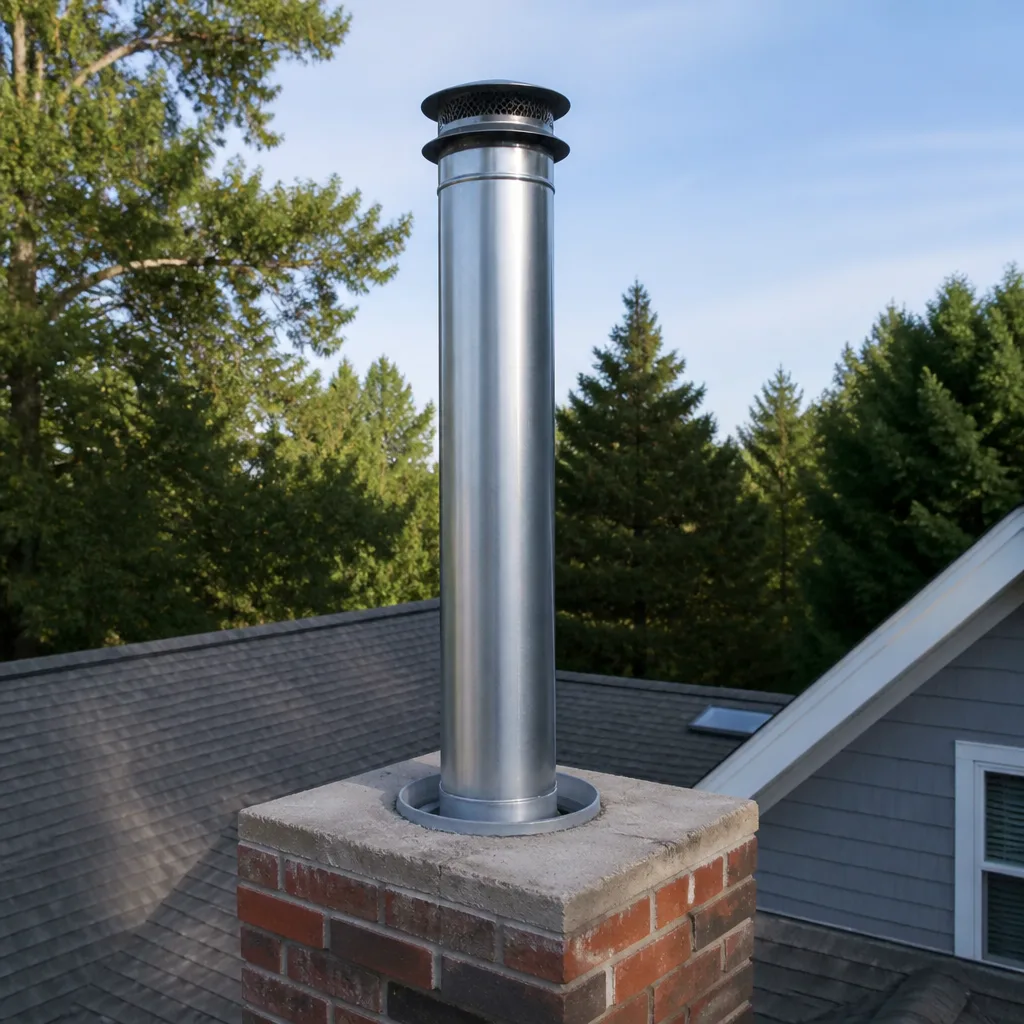 Flue relining
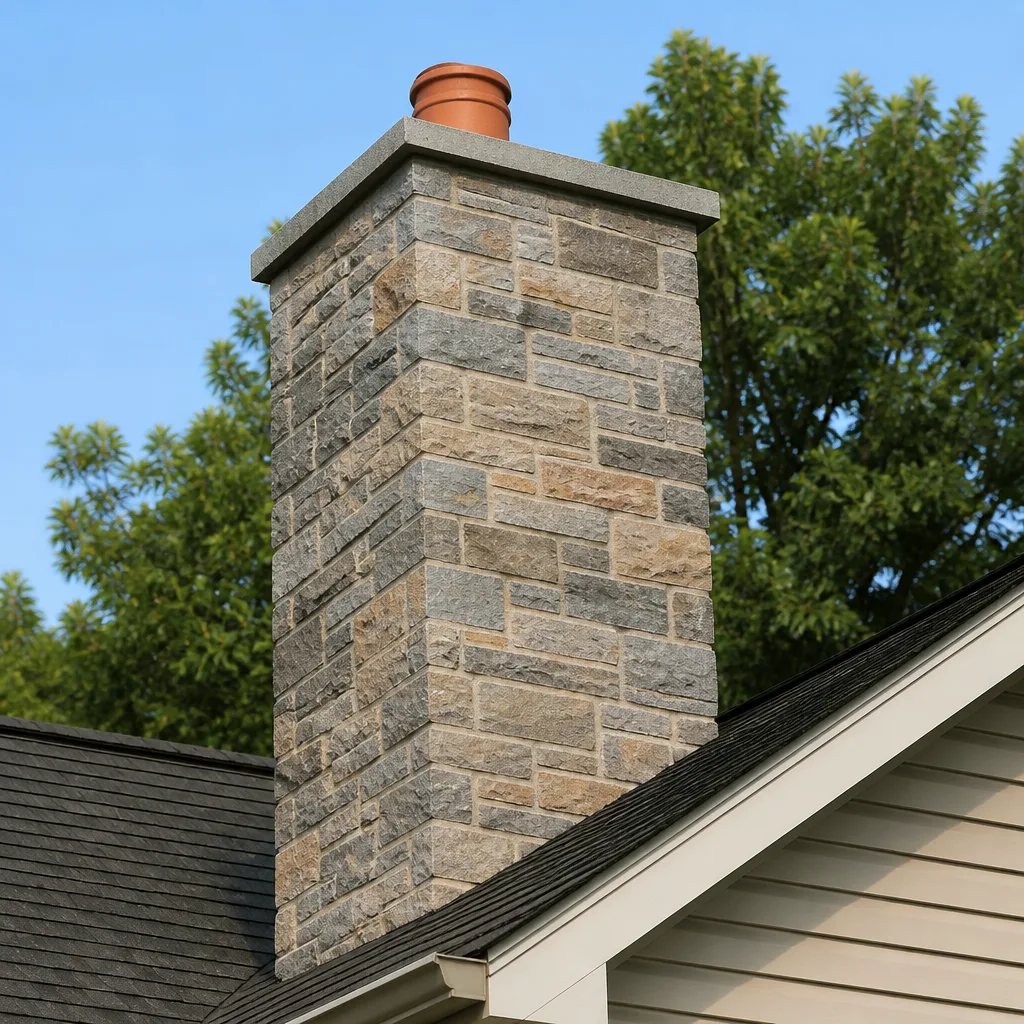 Masonry repair
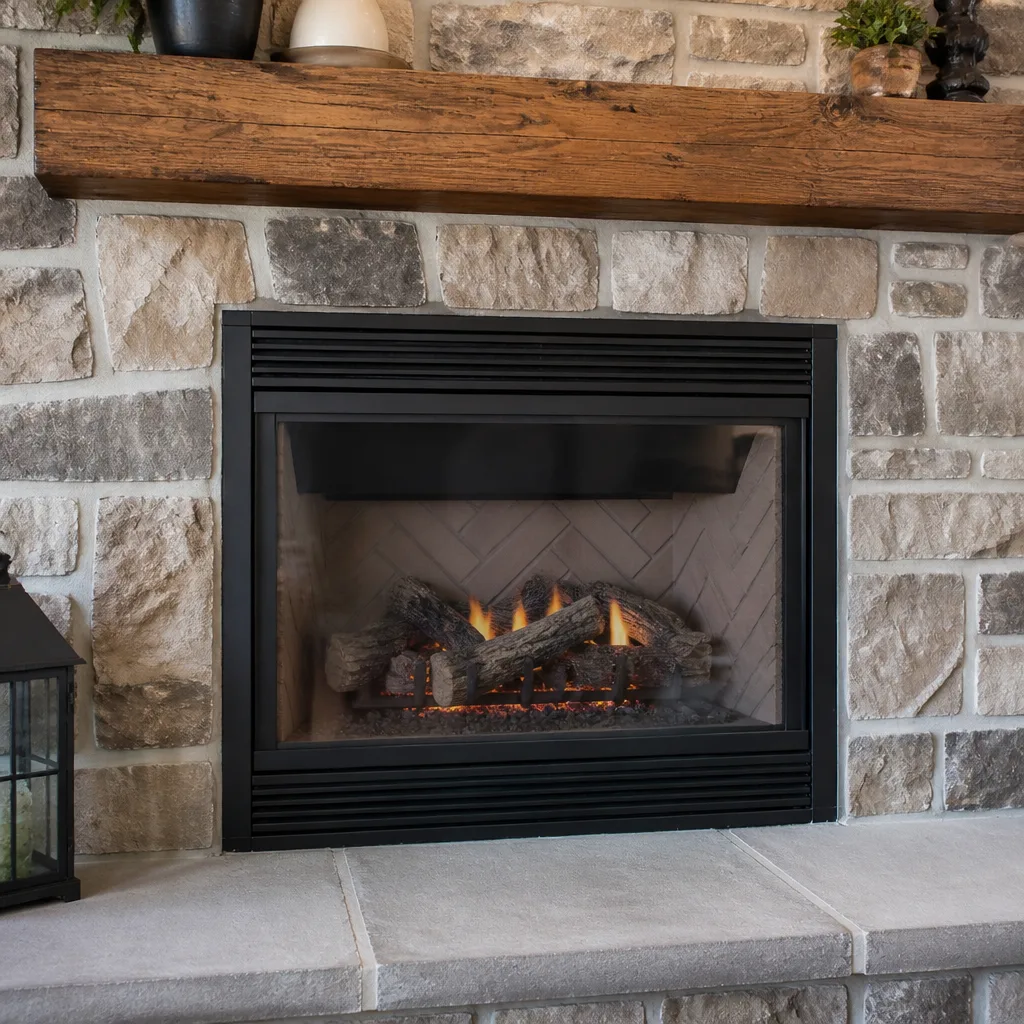 Gas fireplace service
Level 1 sweep and inspection to the NFPA 211 annual standard - flue, crown, cap, and flashing checked and photographed
Chimney sweep logs do not sweep chimneys. They loosen some creosote - which then falls where a brush and vacuum still have to collect it.
The Complete Guide to Chimney Cleaning in Tremont
Most homeowners think of chimney cleaning as one task on a fall checklist. It isn’t. A chimney is a system of interdependent parts, and each part has its own cleaning interval, its own failure mode, and its own reason for mattering. The National Fire Protection Association reports that failure to clean chimneys is the leading factor in home heating fires, yet most homeowners can’t name more than one part of the system their sweep is supposed to clean. That gap is what this guide closes. You’ll learn what each component does, how Tremont’s prewar brick and mid-century housing stock changes what a sweep finds, how to read creosote buildup from the firebox, and when an inspection stops being routine and starts being necessary.
Quick Answer
A full chimney cleaning in Tremont covers five parts: the flue, the smoke chamber, the firebox, the damper, and the exterior cap and crown. Cleaning frequency depends less on the calendar than on how much creosote has built up and at what stage. A wood-burning chimney should be inspected once a year and swept whenever the creosote layer reaches about 3mm, and a Level 2 inspection is needed whenever the system changes or a problem is suspected.
Styles & brands we work with
- Sweep & inspection
- Caps & crowns
- Flue relining
- Masonry repair
- Gas fireplace service
Table of Contents
- What a Full Chimney Cleaning Actually Covers
- How Tremont’s Housing Stock Shapes the Job
- Creosote Stages: Reading Your Firebox Correctly
- Level 1 vs. Level 2 Inspections: What You Need and When
- What Professional-Grade Cleaning Tools Do That a Brush Can’t
- How Often Should You Actually Clean in Tremont?
- What Chimney Cleaning Costs in Tremont
- Why We Don’t Recommend DIY Sweeping
What a Full Chimney Cleaning Actually Covers
A chimney cleaning is not a single sweep of the flue. It’s a pass through every surface that carries smoke, condensate, or heat, and each surface protects against a different problem. Here’s what a genuine full cleaning covers and what each part protects against.
- The flue: the vertical channel that carries smoke out of the house. Creosote and soot collect here first, and this is where a chimney fire starts when creosote ignites. The flue lining (clay tile, or a stainless liner in a retrofit) protects the surrounding masonry from heat.
- The smoke chamber: the tapered transition above the damper where smoke slows and swirls. This shelf-shaped cavity collects creosote fast because of the turbulence, and it’s one of the most commonly skipped surfaces by brush-only sweeps.
- The firebox: the open combustion chamber. Soot and ash coat the brick, and damaged firebox joints can let heat reach framing. Cleaning here means scraping and vacuuming, not just sweeping.
- The damper: the metal plate that seals the flue when the fireplace is idle. A rusted or misaligned damper leaks heat and lets cold air down the flue; cleaning includes checking that it seats and swings freely.
- The exterior cap and crown: the cap keeps rain, birds, and debris out of the flue; the crown is the sloped concrete top that sheds water off the chimney structure. A cracked crown lets water into the masonry, and water damage is what eventually causes spalling brick and failed mortar.
In our experience, the flue gets most of the attention because it’s the part you can see smoke coming out of. The smoke chamber and crown are where the expensive surprises hide. If your chimney cap or crown is cracked or missing, that’s a separate repair job – and it’s better handled before it turns into a masonry problem.
A proper cleaning finishes with a camera check of the flue interior. That’s the difference between a cleaning and a cleaning with documentation. When we’re the ones on the job, the camera inspection tells you exactly what your flue can and can’t safely handle, and you get a photo report so you’re not taking our word for it.
How Tremont’s Housing Stock Shapes the Job
Tremont’s housing stock is a mix of prewar brick and mid-century construction, and both leave a fingerprint on what a chimney sweep finds. Older brick chimneys in prewar houses were often built without a modern liner, or with clay tiles that have cracked over decades of heating and cooling cycles. Short of a full reline, those flues can often be resurfaced with a ceramic repair system like HeatShield, which extends flue life without the cost of tearing the chimney apart. That’s a repair option many general contractors can’t offer, and it’s one of the reasons a specialist matters here.
Mid-century construction in Tremont brings a different set of findings. Chimneys built in that era often used clay tile liners with mortared joints that have since deteriorated, and unlined or poorly lined flues are common. If your house was built with a fireplace that hasn’t been used much, the liner may have never been properly inspected. That’s where a camera inspection earns its cost – it shows you what’s actually inside the flue rather than guessing from the firebox.
Tremont winters are cold enough that houses run their heating systems hard for months. That adds up to more creosote accumulation than a milder climate would produce, and it means the fall check matters. A chimney that’s been idle all summer should be inspected before the first cold snap, not after. Call Chimney Sweep Tremont if you’re not sure when your last inspection was – we’ll tell you what the flue needs.
The exterior matters too. Tremont gets freeze-thaw cycles through the winter, and that’s hard on masonry. Water gets into cracks in the crown, freezes, expands, and widens the crack. By spring, a small flaw becomes a structural repair. Catching crown damage early is one of the least expensive things you can do as a homeowner.
Creosote Stages: Reading Your Firebox Correctly
Creosote stage matters more than the cleaning interval. A chimney that sees one cord of dry hardwood a year may stay at Stage 1 for two seasons; a chimney that burns green wood or runs a smoldering fire most evenings can hit Stage 3 in a single winter. The stage determines whether you need a sweep, a chemical treatment, or a liner repair. You can often identify the stage from the firebox without climbing on the roof.
- Stage 1 – soot and fine flakes. A thin, powdery coating you can brush away. This is normal after light burning and is the easiest to remove. If you see only soot and fine ash, a standard sweep handles it.
- Stage 2 – crusty, flaky deposits. Harder creosote that looks like dried, cracked tar flakes. It comes off with a rotary brush but requires more work. This stage is where you want a professional rotary brush rather than a hand brush, because the crust clings to the flue wall.
- Stage 3 – glazed, hardened tar. A shiny, glassy, or hardened tar coating. It doesn’t come off with a brush. Stage 3 is the stage that fuels chimney fires, and it usually demands chemical treatment or, depending on the liner condition, replacement. Do not light a fire in a flue with Stage 3 creosote.
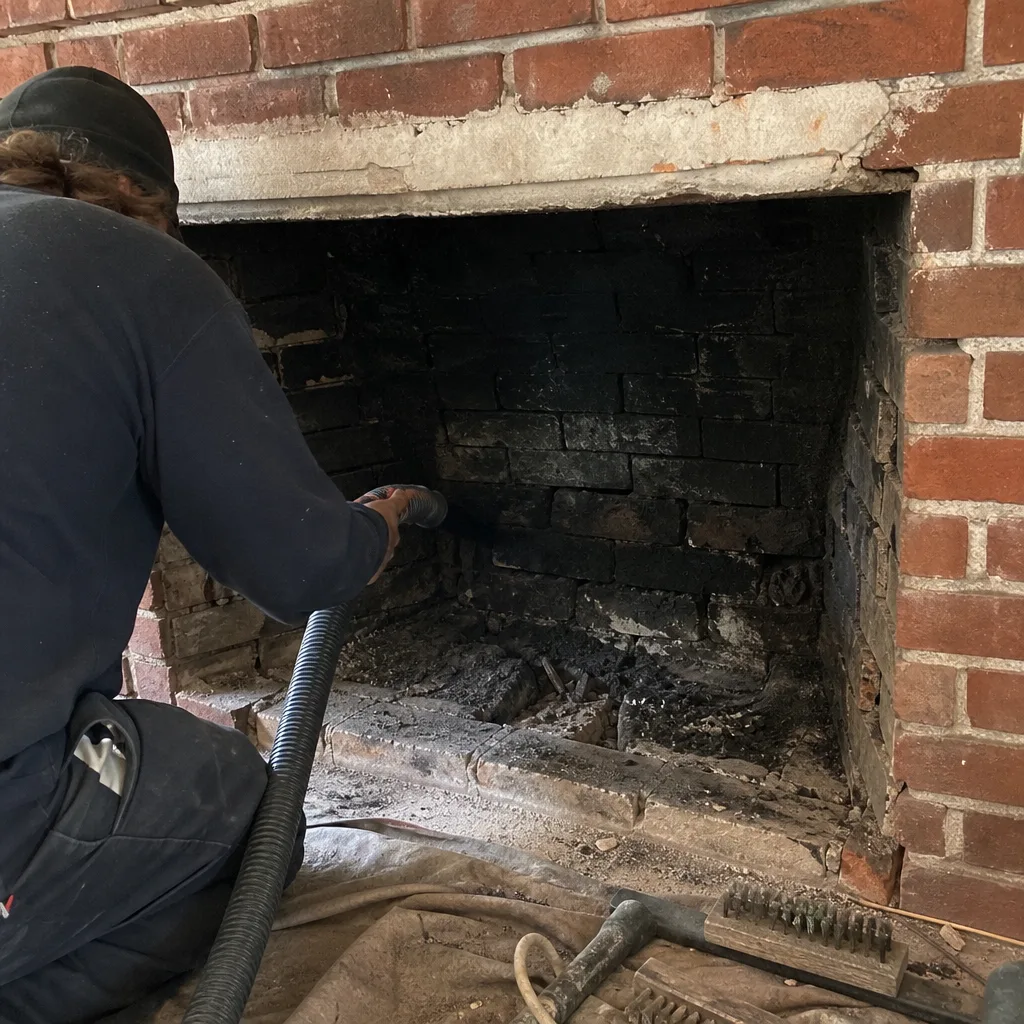
You can’t fully judge creosote stage from the firebox alone – you need a camera view of the flue. But what you see in the firebox tells you what to expect: heavy black soot and tar flakes at the firebox opening suggest at least Stage 2 further up. That’s why a firebox check is the first step of any honest inspection.
As a rule of thumb, a flue should be cleaned when creosote reaches about 3mm (roughly an eighth of an inch) on the flue wall. Past that, the fire risk climbs steeply. If you’re seeing that much buildup, don’t wait until spring.
Level 1 vs. Level 2 Inspections: What You Need and When
A Level 1 inspection is the routine check that comes with an annual cleaning. It covers the readily accessible portions of the chimney – the firebox, damper, and visible flue – and confirms the chimney is sound for continued use. A Level 2 inspection goes further: it uses a closed-circuit camera to inspect the entire flue from top to bottom, and it’s the inspection you need when the chimney has changed.
You need a Level 2 inspection in these situations:
- You’ve moved into a new home and don’t know the chimney’s history.
- The fireplace or chimney has been altered – a liner replaced, a new insert installed, or a heating appliance swapped out.
- You suspect a problem after a chimney fire, an earthquake, or a severe storm.
- You’ve noticed signs of damage: cracked tiles, water stains in the firebox, or a draft that won’t pull correctly.
- You’re selling the house and want documentation for the buyer.
A Level 2 inspection isn’t a formality. It’s the document that tells you exactly what your flue can and can’t safely handle. In Tremont, where prewar masonry chimneys are common and liners may have been altered by previous owners, we recommend a Level 2 on any home you haven’t had inspected yourself. A camera view answers questions that no amount of firebox staring can.
After any repair work, whether it’s a cap, crown, or liner repair, a follow-up inspection confirms the work holds up. Structural, draft, and safety issues are what a chimney inspection should catch. If all you get from a sweep is a cleaning receipt with no written findings, you’ve been given half the job.
What Professional-Grade Cleaning Tools Do That a Brush Can’t
The tool set separates a proper chimney cleaning from a surface sweep. Three tools matter most: rotary brush systems, HEPA vacuums, and closed-circuit cameras. Each one exists to solve a problem the others can’t.
A rotary brush system is a motorized spinning brush on a flexible rod. It scours the flue wall and knocks loose Stage 2 creosote that a hand brush glazes over and skips. A brush-and-vacuum job, done by hand, often leaves small patches of creosote intact – and those patches are what re-accumulate fastest. Rotary brushes handle the full circumference, including the corners that hand brushes round off.
A HEPA vacuum controls fine soot that would otherwise coat your furniture, curtains, and air filter. Without proper vacuum containment, a chimney cleaning can turn into a living-room mess. The HEPA setup is what lets us clean without turning the house into a dust zone.
A closed-circuit camera confirms the flue is actually clean. You can’t see inside the flue from the firebox, and a clean-looking firebox can sit above a flue that never got touched. The camera check is what turns “we swept it” into “here’s the flue, clean, photographed, and documented.” That photo report matters to a homeowner who’s been told their flue needs work and has no way to verify it.
We work with the brands the chimney industry trusts – DuraFlex for flexible liner systems, HeatShield for ceramic flue resurfacing, and Olympia Chimney and Famco for the components that go with repairs – because the materials matter as much as the labor. A cleaning with a proper tool set and a professional-grade liner underneath is a different level of confidence than a quick bristle sweep.
How Often Should You Actually Clean in Tremont?
The NFPA standard is to inspect chimneys annually and to clean them when creosote reaches about 3mm. That’s the trade’s policy, and it’s a good starting point. But Tremont’s climate adds nuance: a cold winter pushes you to burn more wood, and more wood means faster buildup.
Practical cleaning intervals for a Tremont home:
- Wood-burning fireplace used most winter evenings: likely an annual sweep, sometimes twice if you cycle through wet or green wood.
- Wood-burning with an insert: annual, and worth a camera check each time because inserts change the flue dynamics.
- Occasional use – a few fires a winter: an annual inspection, with sweeping based on what the camera shows.
- Gas fireplace: annual inspection is still worthwhile; gas doesn’t leave the same creosote, but the flue, cap, and venting still need eyes on them.
Frequency isn’t just a calendar decision. A homeowner who burns dry wood hard and often needs more frequent sweeps than one who burns lightly. If you call us with your burning habits, we’ll help you build a cleaning interval that fits your fireplace rather than a generic one.
What Chimney Cleaning Costs in Tremont
Chimney cleaning in Tremont typically runs in the range of a routine sweep, with inspection and any repair work quoted separately once the sweep is done. The most common surprise is that “just a cleaning” occasionally turns up a crack, a missing cap, or Stage 3 creosote that shows up on camera.
Typical line items you might see on an estimate:
- Standard sweep (flue, firebox, damper, smoke chamber): the base service line.
- Level 2 inspection with camera report: priced above a routine Level 1 check.
- Chimney cap or crown repair: quoted per job by the written estimate.
- Flue resurfacing with HeatShield: priced by flue size and condition.
- Full liner replacement with DuraFlex: the largest line item, and usually quoted only when the camera shows the liner has failed.
We ask homeowners to look at the free estimate as the budget – the written estimate sets the final price, and the sweep results don’t change what you agreed to pay for the sweep. What the camera finds may add recommended repairs, and we’ll show you the photos before recommending them. The point of a chimney specialist is that you can verify the work. Nothing is recommended without camera evidence you can see for yourself, and we’ll tell you when a repair can safely wait instead of pushing it.
Get the estimate, look at the pictures, ask questions. If the repair can wait, we’ll say so. If it can’t, we’ll show you why. Call (844) 979-4331 for a free estimate in Tremont. We answer 24/7. Fast dispatch from 7am to 7pm, Sunday through Friday.
Why We Don’t Recommend DIY Sweeping
A chimney cleaning looks DIY-friendly from the outside. A brush on a rod, a ladder, a shop vacuum. But the parts you can’t see are where the job gets dangerous. A chimney flue is a confined space with sharp edges, loose brick, and sometimes cracked tiles that a brush can dislodge. The top of a chimney is a height hazard, and the roof pitch around it is steep.
The systems that make a professional cleaning safe and effective – rotary brushes, HEPA containment, and camera verification – aren’t things a homeowner can assemble from a hardware store run. And the creosote you’re trying to remove is combustible. If the flue has Stage 3 buildup, a homeowner sweeping blindly is the one at risk. A chimney sweep is the person who knows how to check flue condition before sweeping and how to read the results afterward.
If you already have a damaged liner, the chimney is a fire hazard; the kind of work that fixes it (resurfacing with HeatShield or relining with DuraFlex) should be done by a trained professional, not a weekend project. The DIY option is a brush and ladder. The professional option is a camera report and a demonstrated cleaning. That’s the trade you’re paying for.
If you’re weighing a repair or replacement, chimney repair is the page to start with – it lays out the repair paths from cap to liner and how to read the estimate.
Common Mistakes to Avoid
- Assuming an annual cleaning is the whole job. The flue gets swept, but the smoke chamber and crown dry out or crack and go unaddressed. Those two parts cause the costliest surprise repairs.
- Treating a clean firebox as evidence of a clean flue. The firebox sits at the bottom; the creosote and damage are higher up. Without a camera view, you can’t know what’s inside.
- Cleaning the flue but ignoring the cap and crown. Tremont’s freeze-thaw cycles punish a cracked crown through the winter. A missing cap is a standing invitation to rain and birds.
- Burning green or wet wood because it’s cheaper. It’s the fastest route to Stage 2 and Stage 3 creosote. Dry, seasoned hardwood is the difference between one cleaning and several.
- Waiting until spring to sweep. The creosote and warmth of a Tremont winter make a fall inspection the safer call. By spring you may have burned a whole season with a problem in the flue.
- Calling a general handyman for a chimney problem. Chimney work has its own tools, its own trade knowledge, and its own code requirements. A generalist can make a small problem worse by not knowing what to look for.
- Ignoring a draft that won’t pull. A weak draft means smoke and carbon monoxide back into the house. If a fireplace that used to draw well now smokes into the room, that’s a call-now signal, not a next-season item.
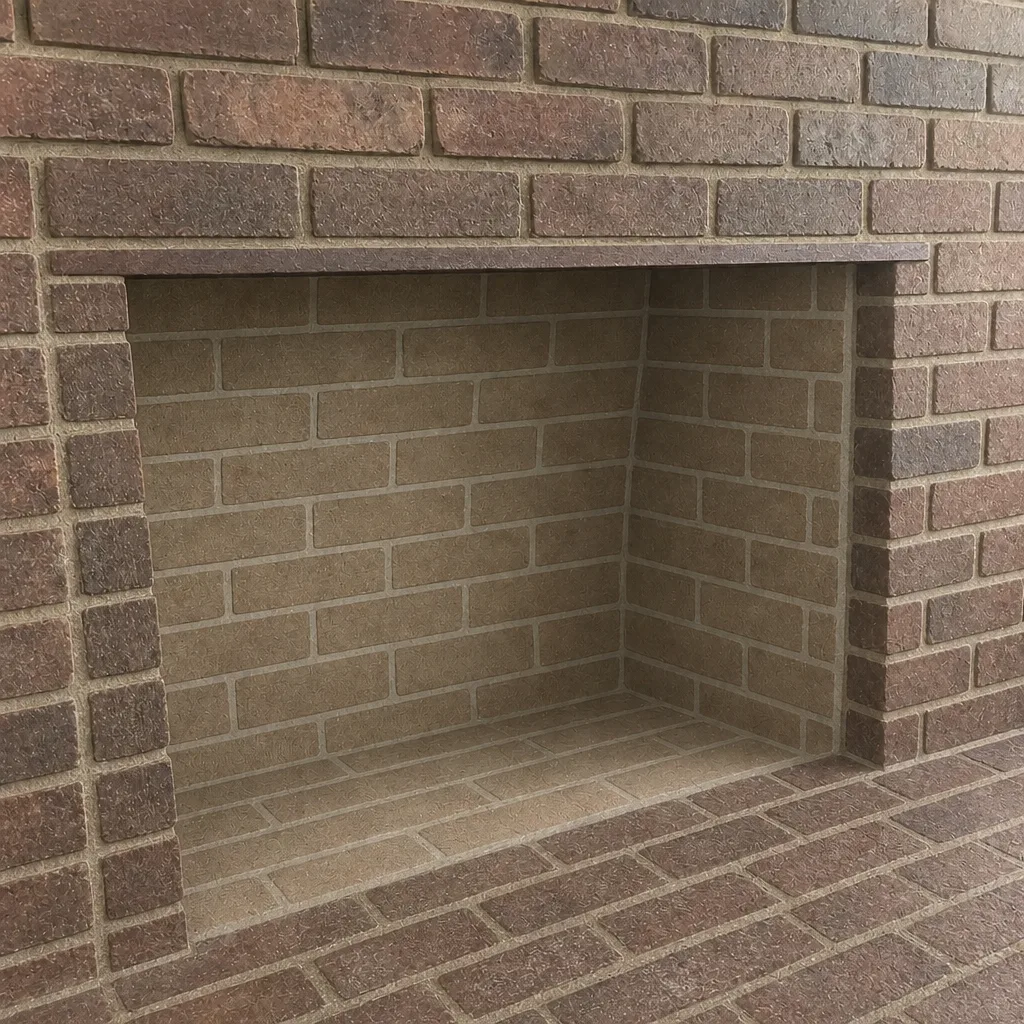
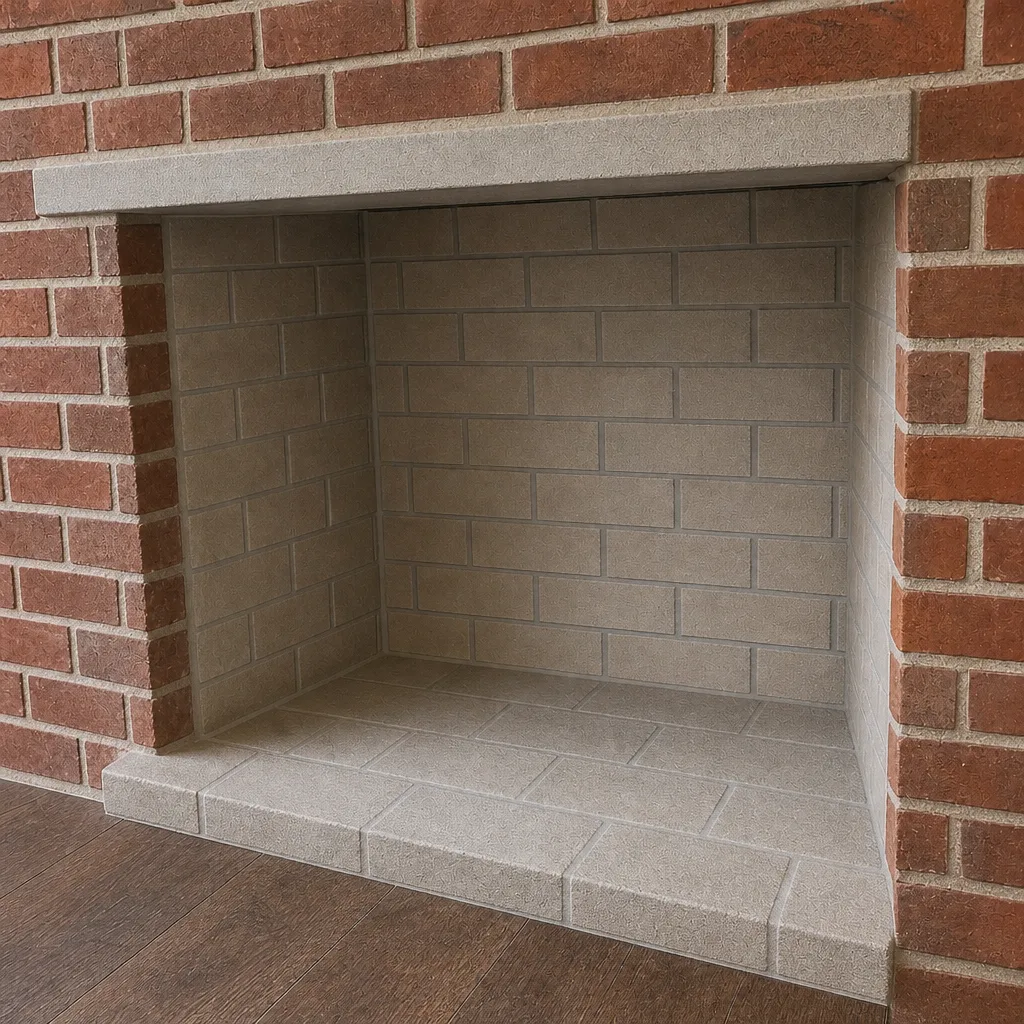
See the difference
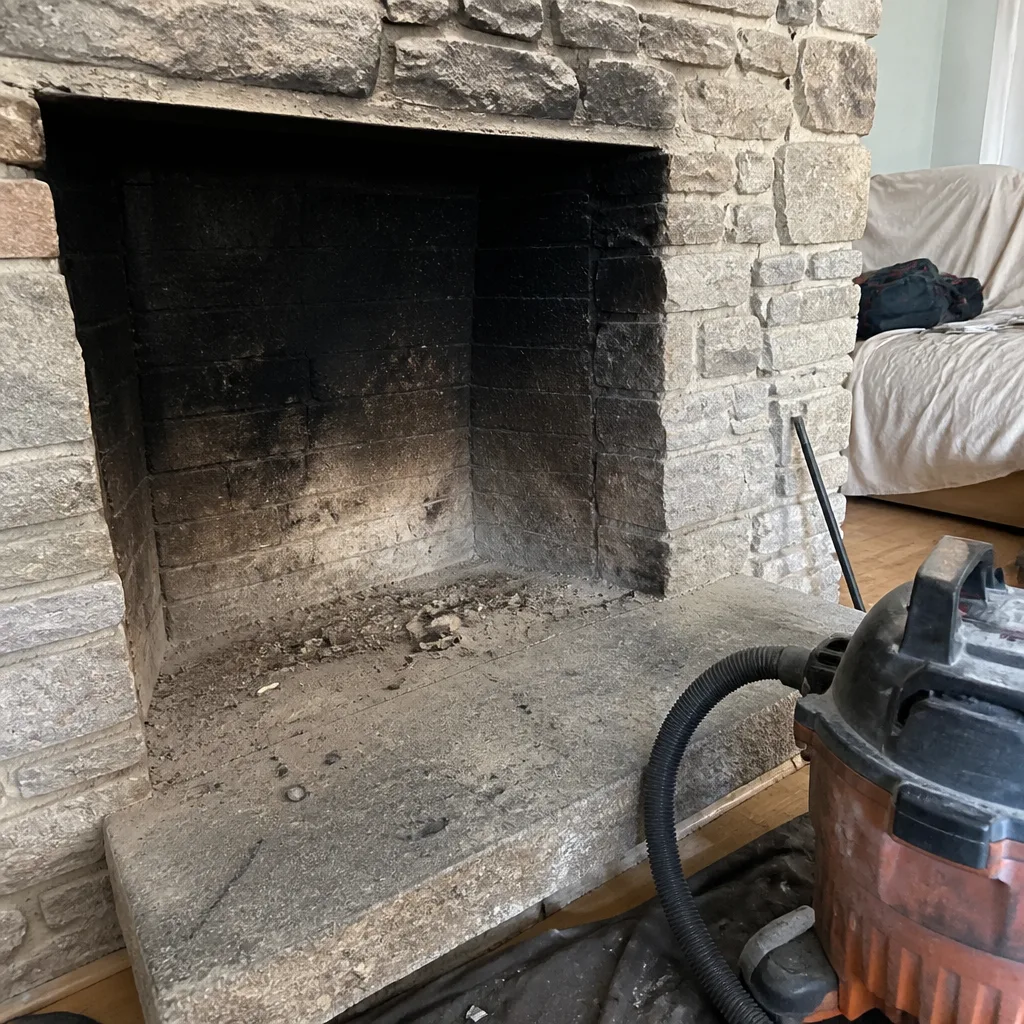 Before
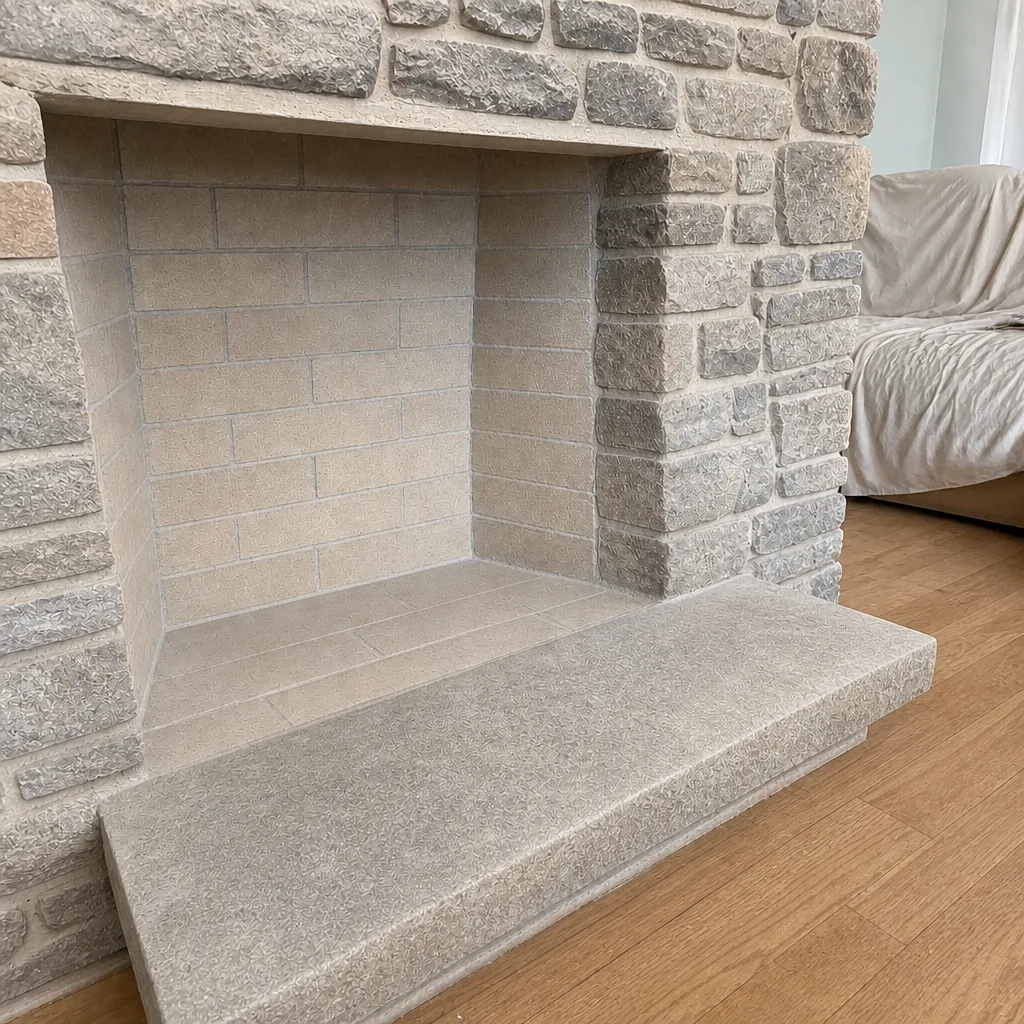 After
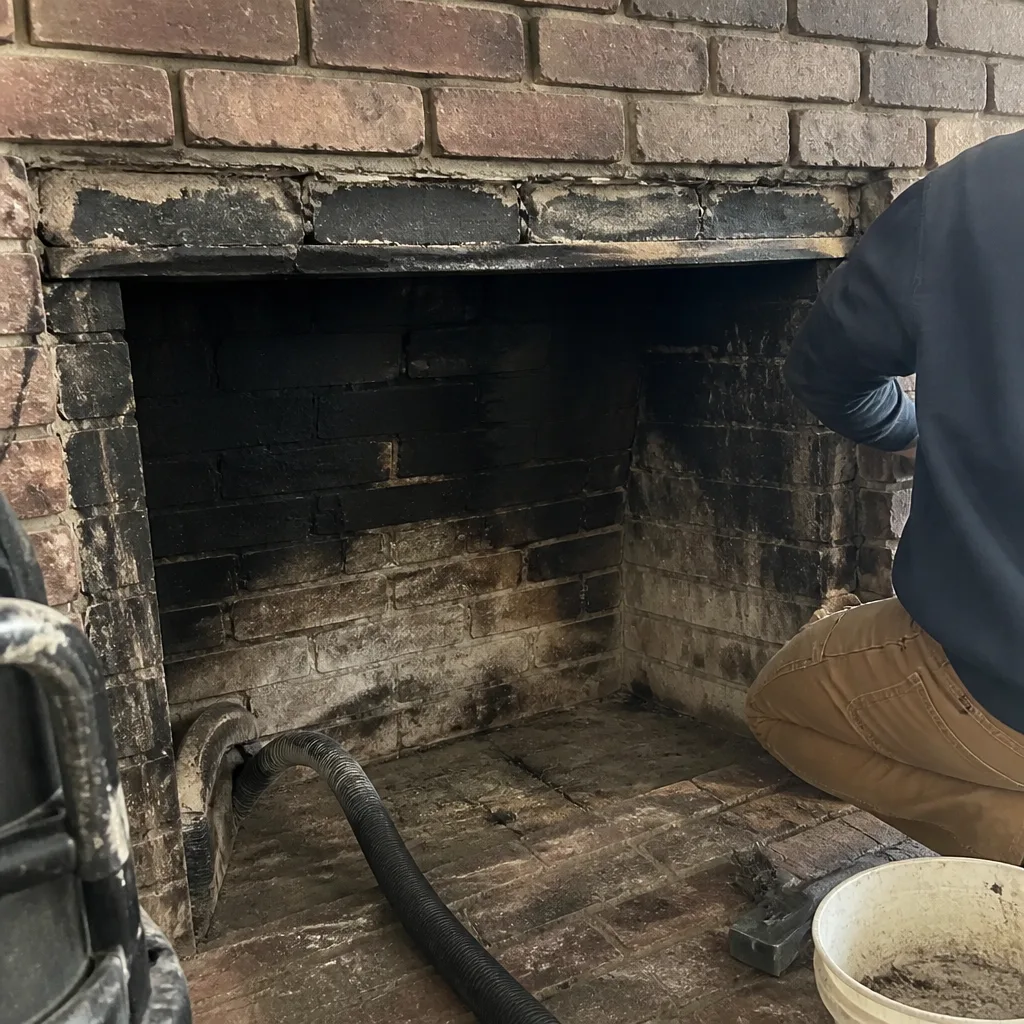 Before
 After
 Before
 After
When to Call a Professional
Call a professional when the chimney has changed, when the fireplace smokes into the room, when you smell creosote in the house, when there’s a visible crack in the crown or a missing cap, or when you can’t recall the last inspection. If your annual check is overdue, that’s a reason to call too – it’s cheaper than discovering the problem from the fire department’s side of it.
Chimney Sweep Tremont offers free estimates in Tremont – call (844) 979-4331. We answer 24/7. Fast dispatch from 7am to 7pm, Sunday through Friday. Our technicians have up to 14 years of experience, and they’re trained specifically on chimney systems rather than general home repairs.
Frequently Asked Questions
Chimney cleaning in Tremont typically runs in the range of a routine sweep, with inspection and repairs quoted separately. A Level 2 camera inspection costs more than a basic Level 1 check, and cap, crown, or liner work is priced by the written estimate. Call (844) 979-4331 for an exact quote – estimates are free.
Usually not. A new liner is only needed when the existing flue is too damaged to protect the surrounding masonry or to carry smoke safely. If the liner has a hairline crack, a ceramic resurfacing system like HeatShield can often extend its life without a full reline. The camera report tells you which path you’re on, and we’ll show you before we touch anything.
Inspect annually and sweep when creosote reaches about 3mm. For most Tremont homes burning wood through a cold winter, that’s once a year; heavier use or burning damp wood may push the interval shorter. Call (844) 979-4331 to schedule a sweep before the season gets underway.
Creosote accumulates, and the fire risk climbs with it. Stage 2 and Stage 3 creosote can ignite during an ordinary fire, and a chimney fire can damage the liner before anyone notices. Skipping the sweep also means cracks and cap damage go unfixed, and those turn into masonry repairs over the following winters. A call in the fall is the cheaper option.
A Level 1 is a routine visual check of the readily accessible chimney, usually alongside an annual cleaning. A Level 2 adds a closed-circuit camera run through the full flue, and it’s the inspection you need when you’ve moved into a new home, changed a heating appliance, or suspect damage. For Tremont houses with older masonry, a Level 2 is often the more useful inspection.
We don’t recommend it. The dangerous parts of a chimney – the height, the confined flue, and Stage 3 creosote – are the parts a homeowner can’t safely manage. A professional sweep has the camera, the rotary brush, and the HEPA containment to clean without risk and document what was there. If you’re unsure of your flue’s condition, call (844) 979-4331 before you climb on a ladder.
A camera inspection is the clearest signal. Cracks in clay tiles, missing mortar joints, a deteriorated crown, or a rusted cap all point to repair work. A cleaning alone doesn’t fix structural issues. If you’ve been told your chimney needs work, chimney sweep services start with the inspection that tells you what’s actually needed, and we can quote any repair from the camera report.
The Bottom Line
Chimney cleaning in Tremont is one part of a system, not the whole system. The flue, smoke chamber, firebox, damper, and exterior cap and crown each do a different job and each fail in its own way. Creosote stage tells you more about your risk than the calendar does, which is why a camera inspection belongs in every cleaning. Cleaning interval should follow how you burn, not just how long it’s been. And when the camera turns up a repair, the fix – a cap, a crown, a HeatShield resurfacing, or a DuraFlex reline – belongs with a chimney-only specialist who works with the industry’s professional-grade brands.
If you want a full-system assessment, chimney cap & crown work is where most preventable moisture damage gets stopped. Call (844) 979-4331 for a free estimate. We answer 24/7. Fast dispatch from 7am to 7pm, Sunday through Friday.
Written by the team at Chimney Sweep Tremont.